
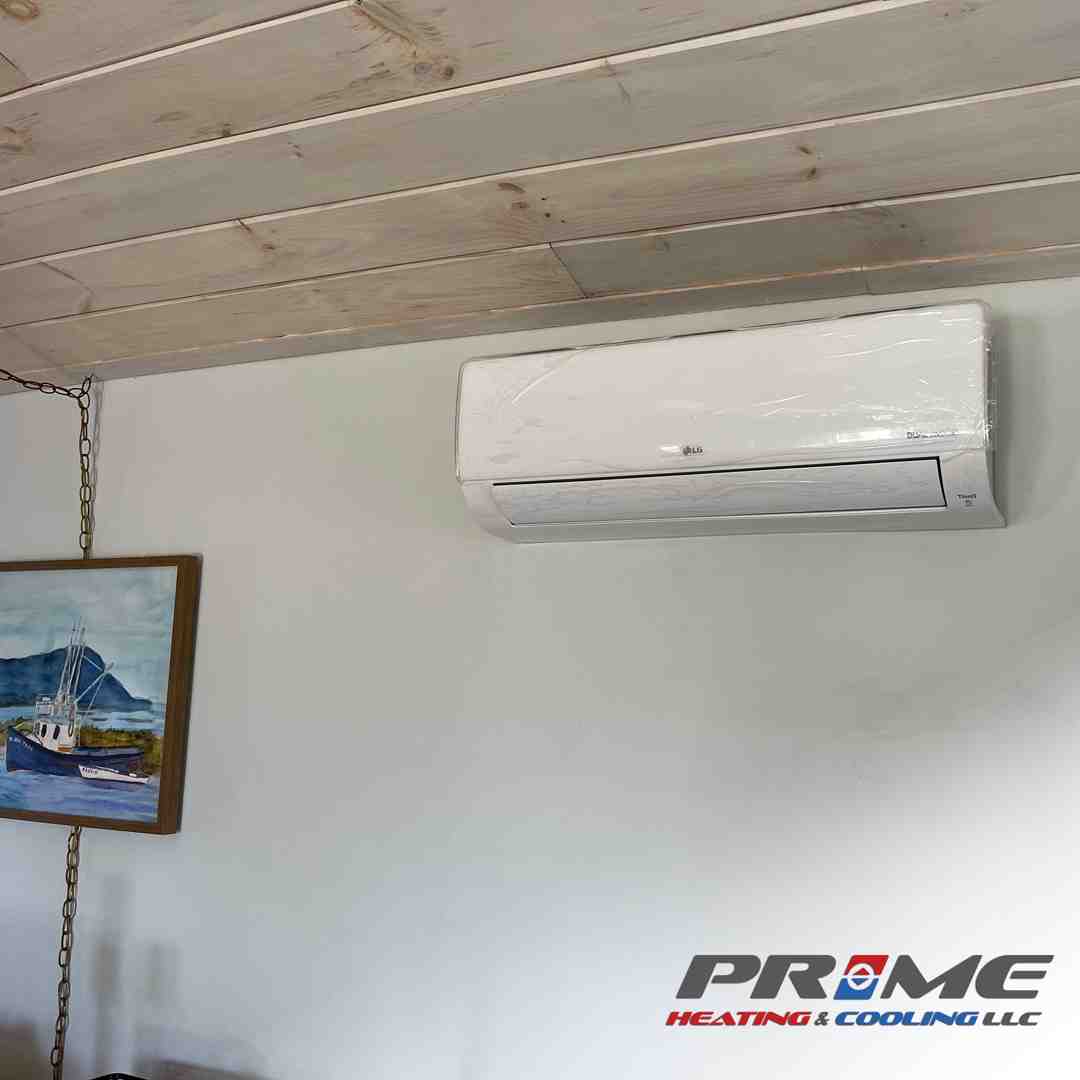
Why Ductless Mini-Split Systems Are Revolutionizing Home Comfort
HVAC mini split installation is a smart solution for homeowners seeking efficient, flexible heating and cooling without disruptive ductwork. These systems use an outdoor condenser and one or more indoor air handlers to deliver precise temperature control to specific rooms or zones. By using heat pump technology, a mini-split transfers heat between your home and the outdoors. In summer, it moves heat out; in winter, it draws heat in, making it far more energy-efficient than traditional electric heat or window ACs.
Quick Answer: What You Need to Know About HVAC Mini Split Installation
- Cost Range: $2,000 to $10,500 for most installations (can reach $28,500 for complex multi-zone systems)
- Installation Time: 4-8 hours for single-zone systems; 1-3 days for multi-zone setups
- Key Components: Outdoor condenser, indoor air handler(s), refrigerant lines, electrical connections
- Professional Installation Required: EPA certification needed for refrigerant handling; specialized tools and expertise prevent costly mistakes
- Ideal Applications: Homes without ductwork, additions, garages, basements, rooms with inconsistent temperatures
Why homeowners choose mini-splits:
- Zoned control – Heat or cool only the rooms you’re using
- Energy efficiency – High SEER2 ratings reduce utility bills by 20-40%
- No ductwork needed – Perfect for older homes or additions
- Quiet operation – Indoor units operate at whisper-quiet levels
- Year-round comfort – Provides both heating and cooling
The installation involves mounting the indoor and outdoor units, drilling a small 3-inch hole for the connecting lines, and making the electrical connections. While DIY kits are available, professional installation is strongly recommended. The process requires specialized tools and expertise in handling refrigerants and high-voltage electricity. Common DIY mistakes like improper refrigerant charging, leaky connections, or incorrect wiring can damage the system, void the warranty, and lead to costly repairs.
I’m Tyler Steiner, founder of Prime Heating & Cooling, and I’ve overseen hundreds of successful hvac mini split installation projects throughout Rhode Island and Massachusetts. My team’s technical expertise ensures your system delivers maximum comfort and efficiency from day one.
Planning Your Mini-Split Installation: Costs, Sizing, and Placement
Before an hvac mini split installation, careful planning is key. This includes understanding costs, selecting the right system size, and strategically placing units for optimal performance. Our team at Prime Heating & Cooling guides you through every step, ensuring you make informed decisions for your Rhode Island or Massachusetts home.
Key Factors Influencing HVAC Mini Split Installation Cost
The cost of a ductless mini-split system typically ranges from $2,000 to $10,500, depending on several factors:

- Number of Zones: A single-zone system for one area is less expensive than a multi-zone system for multiple rooms. A 1-zone installation averages $3,600-$6,500, while multi-zone systems can range from $8,800 to over $26,400.
- System Size (BTUs): The unit’s heating/cooling capacity must match the room’s size. Incorrect sizing leads to inefficiency and poor performance.
- SEER2/HSPF2 Ratings: Higher energy efficiency ratings mean lower utility bills but may have a higher upfront cost.
- Installation Complexity: The distance between units, wall penetrations, and the type of indoor unit (e.g., wall-mounted vs. ceiling cassette) affect labor costs.
- Brand and Quality: Price varies by manufacturer, features, and warranty coverage.
- Labor Rates: The cost reflects the time and expertise required for a professional, code-compliant installation.
Our team provides a detailed estimate for your specific hvac mini split installation project. Learn more in our comprehensive guide: Discover Everything You Need to Know About HVAC Systems.
Sizing and System Selection
Choosing the right system for your Rhode Island or Massachusetts home requires considering capacity, zones, and climate needs.
- System Capacity (BTUs/Tons): A professional load calculation is essential to determine the exact BTUs needed for each room, considering square footage, insulation, and sun exposure. This ensures the system isn’t undersized or oversized.
- Single-Zone vs. Multi-Zone: Single-zone systems are perfect for one room or an addition. Multi-zone systems connect several indoor units to one outdoor condenser, providing independent temperature control for different areas of your home.
- Regular vs. Cold-Climate Heat Pumps: Standard heat pumps work well in moderate climates, but their performance drops below freezing. Cold-climate models are designed to operate efficiently in temperatures down to -13°F or lower, making them a superior investment for New England winters.
- Energy Efficiency Ratings (SEER2, HSPF2): These ratings measure seasonal cooling (SEER2) and heating (HSPF2) efficiency. Higher numbers mean greater energy savings. We can help you find the most energy-efficient HVAC solutions: Energy Efficient HVAC Solutions: A Search Near You.
Here’s a look at the different types of indoor units available:
| Indoor Unit Type | Description | Best Application |
|---|---|---|
| Wall-Mounted | The most common type, installed high on a wall. Delivers powerful airflow and is visually discreet. | Bedrooms, living rooms, home offices, additions – anywhere you need focused heating/cooling and have adequate wall space. |
| Ceiling Cassette | Installed flush into the ceiling, distributing conditioned air in up to four directions. Requires joist clearance (typically 16.5 inches). | Open-concept living areas, commercial spaces, or homes where a discreet, integrated look is preferred and ceiling space allows. |
| Floor-Mounted | Placed at floor level, similar to a traditional radiator. Ideal for spaces with low wall clearances or large windows. | Basements, sunrooms, or rooms with unique architectural features where wall or ceiling mounting isn’t feasible. |
| Concealed Ducted | Hidden within the ceiling or wall cavity, providing conditioned air through short duct runs and grilles. | When you want the aesthetics of central air without extensive ductwork, or for new construction where minimal ducts can be integrated. |
Strategic Unit Placement
The location of your indoor and outdoor units is vital for system efficiency and performance.
- Indoor Unit Considerations:
- Optimal Airflow: Units should be placed in a central location with unobstructed airflow, away from furniture or curtains.
- Wall-Mounted Placement: Typically installed high on an interior wall for even air distribution.
- Ceiling Cassette Requirements: These require sufficient joist clearance (around 16.5 inches) for a seamless fit.
- Proximity: Minimizing the distance between indoor and outdoor units can reduce costs and improve efficiency.
- Outdoor Unit Location:
- Airflow Clearance: The condenser needs ample space (6-12 inches on sides, 24 inches above) for proper heat exchange.
- Noise: Place the unit away from bedrooms or outdoor living areas to minimize sound.
- Accessibility: Ensure the unit is easily accessible for maintenance and repairs.
- Protection: While durable, protecting the unit from direct sun or heavy snow can extend its lifespan. In our climate, keeping it clear of snow is crucial.
Our local expertise helps us recommend the best placement for your ductless system: Ductless AC Systems: A Trend in Smithfield, Rhode Island.
Potential Additional Costs and Savings
Beyond the core hvac mini split installation cost, consider these potential expenses and savings.
- Electrical Panel Upgrades: Mini-splits need a dedicated 208-220v circuit. Older homes may require a panel upgrade ($3,200-$5,200) or a more affordable subpanel ($1,500-$2,000) if the existing panel lacks capacity.
- Rebates and Tax Credits: Many utility companies and government programs offer rebates and tax credits for installing energy-efficient heat pumps. We stay informed about current programs in Rhode Island and Massachusetts to help you maximize savings.
- Off-Season Installation Savings: Scheduling your installation during the spring or fall can sometimes offer more flexible scheduling and better pricing, as HVAC technicians are in lower demand.
We’re committed to helping you find affordable HVAC services that contribute to long-term efficiency: Building Efficiency with Affordable HVAC Services in Smithfield RI.
The Professional HVAC Mini Split Installation Process
A successful hvac mini split installation blends precision, technical expertise, and safety. While DIY kits are tempting, professional installation is essential for optimal performance and warranty validity.
Why Professional Installation is Crucial
Entrusting your mini-split installation to certified professionals is essential for safety, performance, and warranty protection.

Here’s why it’s non-negotiable:
- EPA Certification and Refrigerant Handling: Our EPA-certified technicians safely handle refrigerants like R-410A. Incorrect charging can damage the compressor and harm the environment.
- Electrical Wiring Safety: We ensure all high-voltage connections are up to code, preventing electrical hazards.
- Specialized Tools and Expertise: Proper installation requires tools like vacuum pumps and manifold gauges to ensure an airtight, moisture-free system.
- System Warranty: Most manufacturers void warranties if the system isn’t installed by a licensed HVAC professional.
- Optimal Performance: Professionals correctly size and place units, ensuring maximum efficiency and comfort.
Professional installation guarantees long-term reliability. This commitment to quality is why we emphasize professional HVAC services: The Importance of Professional HVAC Installation and Maintenance Services. Trust our reliable team in Providence, RI: Reliable HVAC Company in Providence RI.
Step-by-Step: What to Expect on Installation Day
Our team follows a systematic process for a clean and efficient hvac mini split installation.
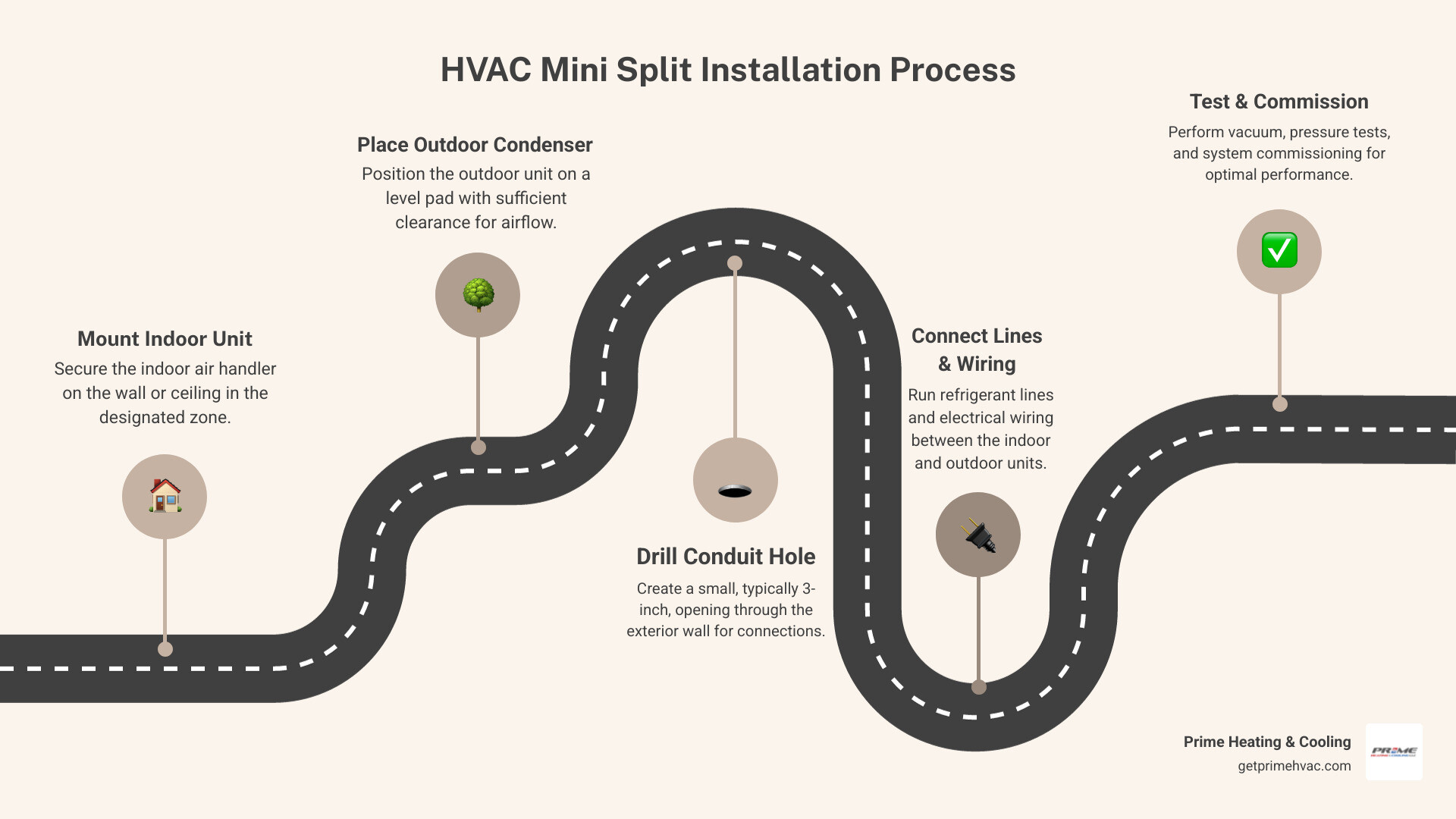
- Site Preparation: We protect your home by laying down drop cloths and preparing the work areas.
- Mounting the Indoor Unit(s): We securely and precisely mount the indoor air handler(s) in the designated locations.
- Drilling the Conduit Hole: A small, 3-inch hole is drilled through an exterior wall for the connecting lines and sealed to prevent leaks.
- Mounting the Outdoor Condenser: The outdoor unit is placed on a stable, level pad to ensure proper drainage and operation.
- Running the Refrigerant Lines: We connect the indoor and outdoor units with insulated copper lines, a drain line, and electrical wiring.
- Electrical Connections: Our licensed electricians safely connect the system to your home’s power, following all local codes.
- Vacuuming and Pressure Testing: We use a vacuum pump to remove all air and moisture from the lines—a critical step to prevent future damage. We then pressure test for leaks.
- Refrigerant Charging: The system is charged with the precise amount of refrigerant specified by the manufacturer.
- System Commissioning: We power up the system, test all heating and cooling functions, and show you how to operate your new unit.
A single-zone installation typically takes 4-8 hours, while multi-zone systems may require 1-3 days. For more technical details, you can reference guides like this: Installer reference guide.
Common Mistakes in DIY HVAC Mini Split Installation
Attempting a DIY hvac mini split installation often leads to costly mistakes that compromise performance and void warranties.
- Improper System Sizing: Guessing the size can lead to an inefficient system that either runs constantly or short-cycles.
- Incorrect Refrigerant Charge: Too much or too little refrigerant drastically reduces efficiency and can destroy the compressor.
- Leaky Flare Connections: Refrigerant lines require precise flaring to create a leak-proof seal. Poor connections are a common failure point.
- Insufficient Vacuum: Failing to remove air and moisture from the lines with a vacuum pump can cause corrosion and system failure.
- Incorrect Wiring: Improperly wired high-voltage power can create safety hazards and damage the unit’s electronics.
- Poor Unit Placement: Obstructing airflow to indoor or outdoor units significantly hinders performance.
- Condensate Drain Issues: An improperly installed drain line can cause water leaks and mold growth.
These errors reduce efficiency and can lead to expensive repairs. For reliable HVAC services throughout Rhode Island, trust our experienced team: HVAC Services in Rhode Island.
Post-Installation: Maximizing Comfort, Efficiency, and Reliability
Once your hvac mini split installation is complete, proper care will ensure years of efficient, reliable performance for your home in Rhode Island or Massachusetts.
Achieving Optimal Comfort and Reliability
A professionally installed mini-split is tuned for your home’s specific needs, offering best comfort and reliability.
Here’s how you benefit:
- Zoned Temperature Control: Set different temperatures in different rooms for personalized comfort.
- Quiet Operation: Indoor units operate at whisper-quiet levels (as low as 19 decibels), so you won’t be disturbed by noise.
- Consistent Performance: Inverter technology continuously adjusts output to maintain a steady temperature without noticeable on/off cycles.
- Reduced Short-Cycling: Variable-speed operation prevents wasteful short-cycling, saving energy and extending the unit’s lifespan.
- Professional Calibration: Our technicians fine-tune refrigerant levels, airflow, and controls for peak performance.
By investing in a professional hvac mini split installation, you’re investing in superior comfort. Learn more about how our services can benefit you: How HVAC Services Can Benefit Your Home and Business.
Essential Mini-Split Maintenance Tasks
To keep your system running efficiently, a mix of homeowner tasks and annual professional maintenance is key.
- Cleaning Indoor Unit Filters: This is the most important DIY task. Check filters monthly and clean them every 1-3 months by rinsing with water. Clean filters ensure good airflow and air quality.
- Clearing Debris from Outdoor Unit: Keep the area around the outdoor unit clear of leaves, grass, and other debris. In winter, ensure snow doesn’t block the unit.
- Checking for Proper Drainage: Occasionally check that water is flowing freely from the condensate drain line to prevent clogs and leaks.
- Scheduling Annual Professional Tune-ups: An annual check-up is vital. Our technicians will:
- Inspect refrigerant levels and pressures.
- Clean indoor and outdoor coils.
- Check electrical connections.
- Test system controls and drainage.
- Identify and fix potential issues before they become major problems.
Regular maintenance extends your system’s lifespan and maintains its efficiency. For expert HVAC maintenance in Smithfield, RI, and surrounding areas, our team is ready to help: Expert HVAC Services in Smithfield RI.
Frequently Asked Questions about Mini-Split Installation
We’re here to provide clear answers to common questions about hvac mini split installation.
Is a ductless mini-split system a worthwhile investment?
Absolutely. For homeowners in Rhode Island and Massachusetts, a mini-split is a smart investment for several reasons:
- Energy Savings: They are highly efficient, using zoned control to reduce utility bills compared to window units or electric heat.
- Zoned Comfort: Set different temperatures in different rooms for personalized comfort.
- Improved Air Quality: Multi-stage filtration helps reduce dust and allergens.
- Increased Home Value: A modern, efficient HVAC system is an attractive feature for potential buyers.
- Long-Term Cost-Effectiveness: Lower energy bills and a long lifespan provide excellent value over time.
Where are mini-split systems most effective?
Mini-splits are highly versatile and are especially effective in:
- Older Homes Without Ductwork: Provides modern heating and cooling without costly and invasive ductwork installation.
- New Additions and Conversions: An easy way to condition a new room, converted garage, or attic.
- Garages, Basements, and Sunrooms: Transforms these often-uncomfortable spaces into year-round living areas.
- Rooms with Specific Temperature Needs: Perfect for home offices or bedrooms where individual control is desired.
- Supplementing Central HVAC: Solves hot or cold spots in homes with an existing central system.
How long does a typical ductless mini-split installation take?
The installation timeline depends on the system’s complexity:
- Single-Zone Systems: A standard installation with one indoor and one outdoor unit typically takes 4 to 8 hours.
- Multi-Zone Systems: Installing a system with multiple indoor units is more complex and usually takes 1 to 3 days.
Factors like unit placement and electrical needs can affect the timeline. A professional installation ensures the job is done efficiently, safely, and correctly.
Your Partner for Flawless Mini-Split Installation
Investing in an hvac mini split installation is a smart choice for homeowners in Rhode Island and Massachusetts seeking comfort, efficiency, and reliability. These systems offer significant energy savings, personalized zoned comfort, and can even increase your property’s value. From proper sizing and placement to the final commissioning, a professional installation is critical to ensure safety, validate your warranty, and guarantee optimal performance.
At Prime Heating & Cooling, we are your trusted partner for a flawless hvac mini split installation. With over 20 years of experience, our certified technicians deliver reliable, energy-efficient solutions custom to homes in Johnston, Smithfield, Warwick, Smithfield, Providence, and throughout the region. We ensure your system provides maximum comfort from day one, backed by our 24/7 availability and customer-first approach.
Don’t let the complexities of installation deter you. Let our expert team handle every detail.


