
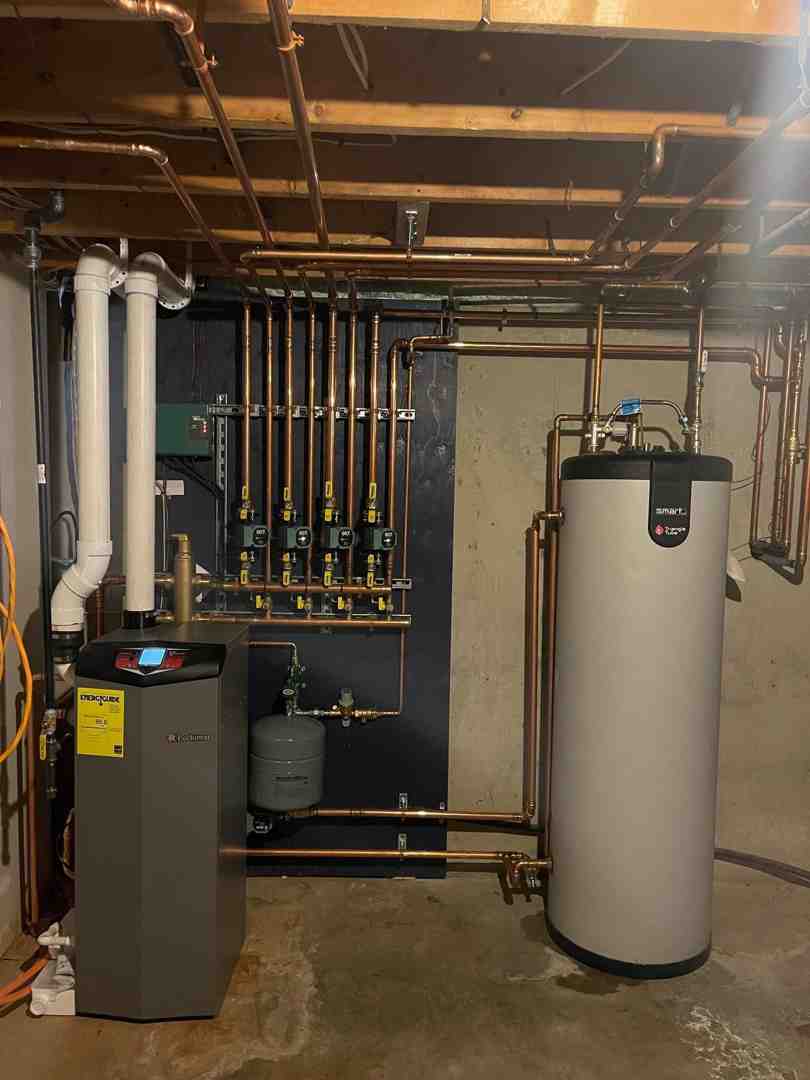
Why Choosing the Right Heating Replacement System Matters
A Heating Replacement System is a new furnace, boiler, or heat pump that replaces old equipment to provide reliable warmth, improve energy efficiency, and cut repair costs. If your system is over 15 years old, heats unevenly, increases energy bills, or needs frequent repairs, it’s time to consider a replacement.
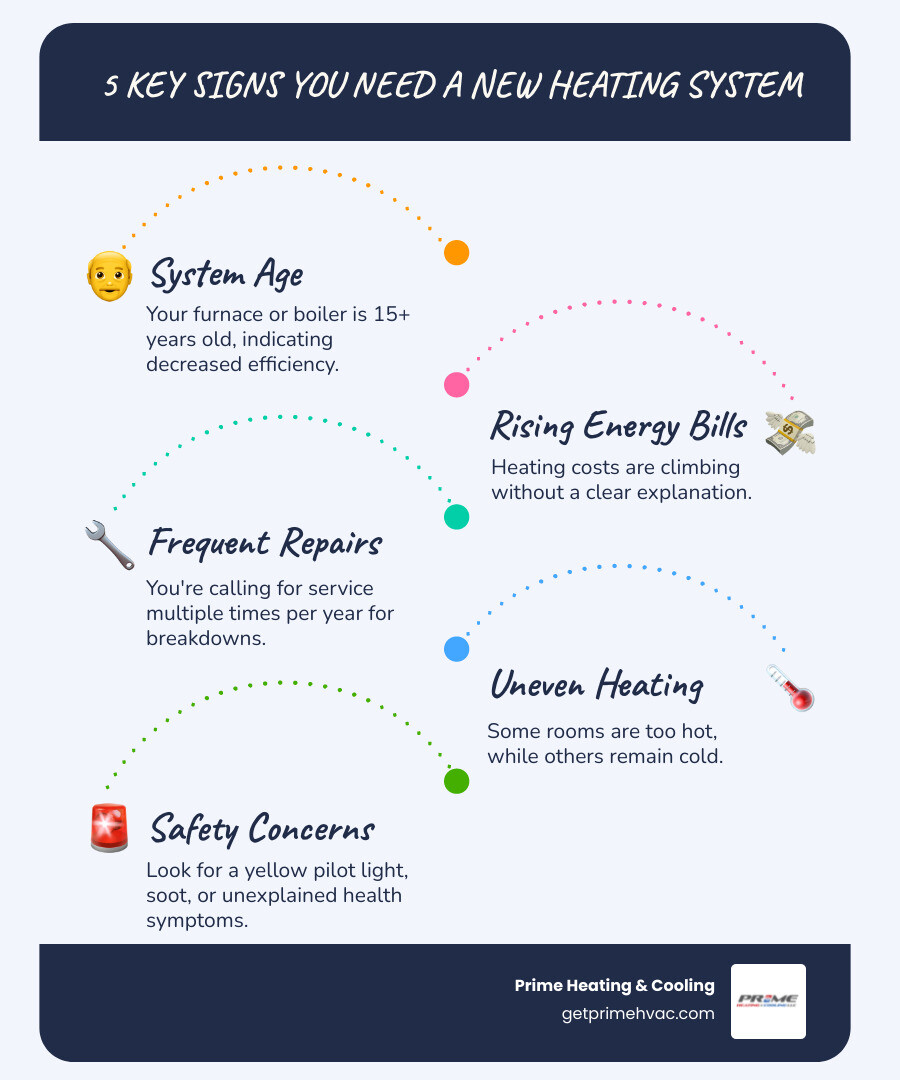
Key Signs You Need a New Heating System:
- Age – Your furnace or boiler is 15+ years old
- Rising Bills – Heating costs keep climbing without explanation
- Frequent Repairs – You’re calling for service multiple times per year
- Uneven Heating – Some rooms are too hot, others too cold
- Strange Noises – Banging, screeching, or loud operation
- Safety Concerns – Yellow pilot light, soot, or unexplained health symptoms
- Short-Cycling – System turns on and off without properly heating your home
This decision impacts your comfort, safety, and finances for 15-20 years. Since 51% of your home’s energy consumption goes to heating and cooling alone, this is a critical investment. The good news is that modern systems are far more efficient, and incentives like federal tax credits and local rebates can offset 30% or more of the cost.
However, the HVAC industry can be confusing. With conflicting advice and sales pitches, it’s hard to know what you need. Should you choose a furnace, boiler, or heat pump? What size is right? What’s a fair price?
This guide simplifies the process. We’ll cover the signs it’s time for a replacement, explain your options clearly, and help you choose the right solution for your home and budget. You’ll learn what to ask contractors, how to avoid sizing mistakes, and why insulation is just as important as the equipment.
I’m Tyler Steiner, founder of Prime Heating & Cooling. After graduating from the New England Institute of Technology with advanced HVAC training, I’ve spent over a decade helping homeowners with Heating Replacement System decisions. My team has installed hundreds of systems across Rhode Island and Massachusetts, so we know what works for long-term comfort and savings.
Signs You Need a New System and Dangers to Avoid
In a Rhode Island and Massachusetts winter, a reliable heating system is a necessity. But how can you tell a minor issue from a sign that you need a Heating Replacement System? We know the telltale signs that your system is failing.

Beyond an obvious breakdown, subtle clues can indicate your heating system is struggling or becoming a safety risk. Ignoring these signs can lead to discomfort, high energy bills, and danger. According to Energy Star, there are clear indicators it’s time to consider replacing your equipment. You can learn more at When is it time to replace?.
Your Heating System is Over 15 Years Old
Age is a critical factor. Most furnaces and boilers last 15-20 years, while heat pumps last around 10-15 years. If your system is past this age, its efficiency is likely declining. As components degrade and technology becomes outdated, an older system works harder and uses more energy to heat your home. A newer model provides the same warmth with far less effort. To see how your home’s energy use compares to others, check the Home Energy Yardstick.
You’re Noticing Inefficiency or Potential Dangers
Beyond age, several performance issues can signal that a Heating Replacement System is needed:
- Increased Utility Costs: If your energy bills are climbing without a clear reason, your system is likely losing efficiency.
- Short-Cycling: If your system turns on and off frequently without fully heating your home, it’s “short-cycling.” This causes unnecessary wear and tear and indicates a problem with internal components.
- Uneven Heating and Cold Spots: If some rooms are warm while others are cold, your system isn’t distributing heat effectively. This can be caused by aging equipment or ductwork problems.
- Strange Noises: Loud noises like banging, screeching, or whistling are red flags. A loud bang when the furnace starts could signal a cracked heat exchanger, a dangerous gas leak risk.
- Humidity Problems: An inefficient heating system can lead to air that’s too dry in the winter, causing discomfort and static electricity.
- Yellow Pilot Light, Soot, or Discoloration: A healthy pilot light on a gas unit is blue. A yellow or flickering light, or soot around the unit, indicates incomplete combustion and a potential carbon monoxide leak.
- Unexplained Health Symptoms: Unexplained headaches, dizziness, or nausea in winter can be signs of carbon monoxide poisoning from a faulty heating system. If you experience these, get fresh air immediately and call for professional help.
If you’re experiencing any of these issues, it’s time to call in the experts. We can diagnose the problem, whether it requires a repair or a full Heating Replacement System. Learn more about our heating services.
Exploring Your Heating Replacement System Options
Choosing a new Heating Replacement System can feel overwhelming. For homes in Rhode Island and Massachusetts, the main options are furnaces, boilers, and heat pumps, each with different fuel sources and benefits.

Let’s break down the main types to help you find the best fit for your home.
| System Type | How it Works | Pros | Cons | Typical Efficiency | Upfront Cost (Installed) | Operating Cost |
|---|---|---|---|---|---|---|
| Furnace | Heats air and distributes it via ductwork. | Fast heating, good for air quality additions, can combine with AC. | Can dry air, requires ductwork, potential for gas/CO leaks. | 80-98% AFUE | $3,800–$12,000 | Moderate (depends on fuel) |
| Boiler | Heats water/steam and distributes via pipes to radiators/radiant floors. | Consistent, comfortable heat, doesn’t dry air, quiet. | Slower response, separate AC needed, requires pipes/radiators. | 80-98% AFUE | $11,750–$20,000 | Moderate (depends on fuel) |
| Heat Pump | Transfers heat (not generates) using electricity, can also cool. | Highly energy-efficient (300%+), provides heating & cooling, eco-friendly. | Higher initial cost, less efficient in extreme cold (below 15°F), may need supplemental heat. | 100-300%+ COP | $15,000–$45,000+ | Low (electric) |
Furnaces (Forced-Air Systems)
Furnaces are common in New England, operating as “forced-air” systems. They heat air using natural gas, oil, propane, or electricity and distribute it through ducts and vents.
- How they work: Fuel is burned (or electricity is used) to heat a heat exchanger. A blower then pushes air over the exchanger, and the warm air is circulated through your home’s ductwork.
- Advantages: Furnaces provide fast heating and are versatile, as the ductwork can accommodate central AC and air quality accessories like humidifiers.
- Disadvantages: Forced air can dry out your home’s air. They require ductwork, and gas-fired units pose a potential risk of gas or carbon monoxide leaks if not properly maintained.
If you’re considering a new furnace, we’re experts in installation and repair. More about furnace installation.
Boilers (Hydronic & Radiant Heat)
Boilers provide a deep, radiant warmth. They heat water or steam that circulates through pipes to radiators, baseboards, or radiant flooring.
- How they work: A burner heats water in a tank. The hot water or steam travels through pipes to radiate warmth into each room before returning to the boiler to be reheated.
- Advantages: Boilers offer consistent, comfortable heat that doesn’t dry the air. They operate quietly and are great for zoned heating.
- Disadvantages: Boilers are slower to heat a home than furnaces and require a separate system for air conditioning.
- Types: Models run on natural gas, oil, propane, or electricity. High-efficiency condensing boilers can achieve 90-98% AFUE by capturing heat from exhaust gases.
For those who love gentle, even warmth, a new boiler could be the perfect Heating Replacement System. More about boiler installation.
Heat Pumps: The All-in-One Energy-Efficient Solution
Heat pumps are a popular, energy-efficient Heating Replacement System providing both heating and cooling. Instead of creating heat, they move it.
- How they work: In winter, a heat pump extracts heat from the outside air and transfers it inside. In summer, it reverses the process, acting as an air conditioner.
- Advantages: Heat pumps are incredibly energy-efficient, capable of being over 300% efficient, which means significant energy savings. They offer year-round climate control and are an eco-friendly electric option. A Cool Products 2022 consumer analysis found that 81% of users report improved comfort after switching from fossil fuel heaters.
- Disadvantages: The upfront cost is higher than for traditional systems. While modern cold-climate models are effective, a standard heat pump’s efficiency drops in extreme cold (below 15°F), often requiring a supplemental heat source.
Heat pumps are a fantastic option for homeowners in our service areas looking for cleaner, more efficient home comfort.
Hybrid (Dual-Fuel) Heating Systems
A hybrid (or dual-fuel) system combines a heat pump’s efficiency with a furnace’s power for extreme cold, offering the best of both worlds.
- How they work: The system uses an electric heat pump for most heating and cooling. When temperatures drop significantly, it automatically switches to a gas or oil furnace for more cost-effective heating.
- Advantages: This optimizes fuel use, providing significant energy savings and consistent comfort year-round. It also extends the lifespan of both units.
- Disadvantages: Hybrid systems have a higher upfront cost and more complex installation.
Key Factors in Choosing the Right System: Cost, Efficiency, and Sizing
Choosing a new Heating Replacement System isn’t just about picking a type; it’s about finding the right balance of cost, efficiency, and size for your specific home in Rhode Island or Massachusetts. This is a significant investment that impacts your comfort and energy bills for years to come. As the U.S. Energy Information Administration states, 51% of your home’s energy consumption is for heating and cooling alone, so getting this right truly matters.
Comparing Costs and Finding Incentives
When we talk about the cost of a new Heating Replacement System, we’re looking at two main components:
- Upfront Installation Costs: This includes the equipment, labor for removal of the old system, installation, and any necessary modifications to ductwork, electrical, or plumbing. For example, a new natural gas boiler can start at approximately $11,750, while high-performance heat pump systems can range from $15,000 to $45,000 or more.
- Long-Term Operating Expenses: This is what you’ll pay on your utility bills. A more energy-efficient system might have a higher upfront cost but will save you money every month.
The good news for homeowners in Johnston, Smithfield, and Lincoln is that you don’t have to shoulder these costs alone. We can help you steer available incentives:
- Federal Tax Credits: The Inflation Reduction Act of 2022 offers significant tax credits for upgrading to energy-efficient systems, such as up to $2,000 for qualifying heat pumps.
- State and Utility Rebates: Rhode Island and Massachusetts have programs offering rebates for installing high-efficiency equipment. We help our customers identify and apply for these savings. Look for ENERGY STAR®-qualified units as these are often prerequisites for incentives.
Sizing Your Heating Replacement System Correctly
This is where many contractors go wrong. The size of your heating system refers to its heating capacity, measured in British Thermal Units (BTUs).
- Manual J Calculation: We always perform a detailed Manual J load calculation. This process assesses dozens of factors, including your home’s square footage, window types, insulation levels, and local climate.
- Dangers of Incorrect Sizing:
- Oversized Unit: An oversized system heats too quickly and shuts off (short-cycling). This leads to uneven temperatures, higher energy bills, and increased wear and tear.
- Undersized Unit: An undersized system will run constantly, struggling to reach your desired temperature. This also leads to higher bills and premature wear.
- Impact on Comfort and Lifespan: A properly sized system operates efficiently, maintains consistent temperatures, and lasts longer. It’s the foundation of reliable home comfort, which is why regular HVAC tune-ups are also crucial.
The Role of Insulation and Air Sealing
Before sizing a new Heating Replacement System, we consider your home’s “thermal envelope.” Think of your home as a thermos; if it’s well-insulated and sealed, it holds onto heat much better.
- Reducing Heat Loss: Poor insulation and leaky windows and doors allow warm air to escape, forcing your heating system to work harder.
- Optimizing System Performance: By addressing insulation and air sealing first, we can often install a smaller, more efficient heating system. This lowers both the upfront equipment cost and your long-term operating expenses.
The Installation Process and Choosing a Contractor
Once you’ve made the big decision about your new Heating Replacement System, the next crucial step is the installation. This isn’t a DIY project for a weekend afternoon – proper installation is just as important as choosing the right equipment.
How to Choose a Qualified Heating Replacement System Installer
The best equipment in the world won’t perform optimally if it’s not installed correctly. For homeowners in East Greenwich, North Providence, or Smithfield, here’s what to look for when choosing your HVAC partner:
- Licensed and Insured: Always choose a contractor who is fully licensed and insured for HVAC work in Rhode Island and Massachusetts. This protects you in case of any accidents or issues during the installation.
- Local Experience: Experience in our specific climate is invaluable. We understand the unique heating challenges of New England winters and summers. With 20 years of experience serving communities like Coventry, Warwick, and Lincoln, we’ve seen it all and know what works best here.
- Positive Reviews and References: A reputable company will have a strong track record and be happy to provide references. Check online reviews and ask your neighbors for recommendations.
- Offers Warranties: A reliable installer will stand behind their work with a labor warranty, in addition to the manufacturer’s equipment warranty.
- Transparent Communication: They should clearly explain your options, the installation process, and all associated costs without pressure. We believe in educating our customers so you can make informed decisions.
- Expertise in Gas, Electrical, Hydronics, and Plumbing: A comprehensive HVAC company, like us, has technicians skilled in all aspects of heating system installation, ensuring all connections are safe and up to code.
Choosing the right installer ensures your new Heating Replacement System operates safely, efficiently, and provides lasting comfort. For more guidance, check out our expert tips for choosing the right service.
Frequently Asked Questions about Heating System Replacement
We hear a lot of questions from homeowners considering a Heating Replacement System. Here are some of the most common ones:
What is the typical lifespan of a home heating system?
Lifespan depends on the system type, maintenance, and usage.
- Furnaces: Typically last 15 to 20 years.
- Boilers: Can last 15 to 30 years, with some well-maintained models lasting even longer.
- Air-Source Heat Pumps: Generally last 15 to 20 years.
- Ground-Source Heat Pumps: The indoor unit can last 20 to 25 years, while the underground loop often lasts 50+ years.
Maintenance is Key: Regular, professional maintenance is the most important factor in extending your system’s lifespan and efficiency. A comprehensive tune-up can significantly extend your system’s life.
How do different heating systems compare in terms of environmental impact?
A system’s environmental impact is tied to its fuel source and efficiency.
- Fossil Fuels (Natural Gas, Oil, Propane): These systems release greenhouse gases. Modern high-efficiency models are cleaner but still have a carbon footprint.
- Electricity (Electric Furnaces, Heat Pumps): The impact depends on how the electricity is generated. Electric furnaces are 100% efficient at the point of use.
- Heat Pumps: These are the most environmentally friendly option. They move heat instead of generating it, using far less electricity. When powered by renewable sources, their carbon footprint is minimal. They also use modern refrigerants with lower global warming potential.
Should I replace my air conditioner at the same time as my furnace?
For homes with separate AC and furnace units (“split systems”), we often recommend replacing both at the same time, even if only one has failed. Here’s why:
- Matched Systems for Optimal Efficiency: HVAC systems are designed to work together as a “matched system.” Pairing new and old components can reduce efficiency, comfort, and the new unit’s lifespan.
- Efficiency Gains: Replacing both units ensures you get the full benefit of modern high-efficiency ratings (SEER2 for cooling, AFUE for furnaces).
- Warranty Considerations: Manufacturers may offer better warranties on a complete, matched system.
- Cost-Effectiveness: Replacing both at once saves on future labor costs and avoids potential equipment price increases. As Trane notes, it’s often best to replace the whole system rather than one component. You can read more in their HVAC Replacement: A Homeowner’s Guide.
Replacing both components ensures your entire system is modern, efficient, and synchronized for optimal comfort and savings.
Your Partner for a Warm and Efficient Home
Making the decision to invest in a new Heating Replacement System is a big one, but it’s also an opportunity to significantly improve your home’s comfort, reduce your energy bills, and improve your indoor air quality for years to come. We’ve covered the crucial signs that indicate a need for replacement, explored the diverse options available—from robust furnaces and consistent boilers to highly efficient heat pumps and versatile hybrid systems—and digd into the critical factors of cost, efficiency, and proper sizing.
At Prime Heating & Cooling, we believe that every homeowner in Rhode Island and Massachusetts deserves a heating solution that is reliable, energy-efficient, and perfectly suited to their unique needs. With 20 years of experience, our skilled technicians are dedicated to delivering not just expert installation, but also peace of mind. We’re here to guide you through every step, from the initial assessment and Manual J calculation to finding available rebates and ensuring a flawless installation.
Don’t let another cold New England winter catch you off guard with an inefficient or unreliable heating system. Let us help you find the ideal Heating Replacement System that will keep your family cozy and comfortable, season after season.
Contact us today to explore your options for HVAC services in RI! We’re ready to provide you with a reliable, energy-efficient solution and a customer-first approach, 24/7.


