
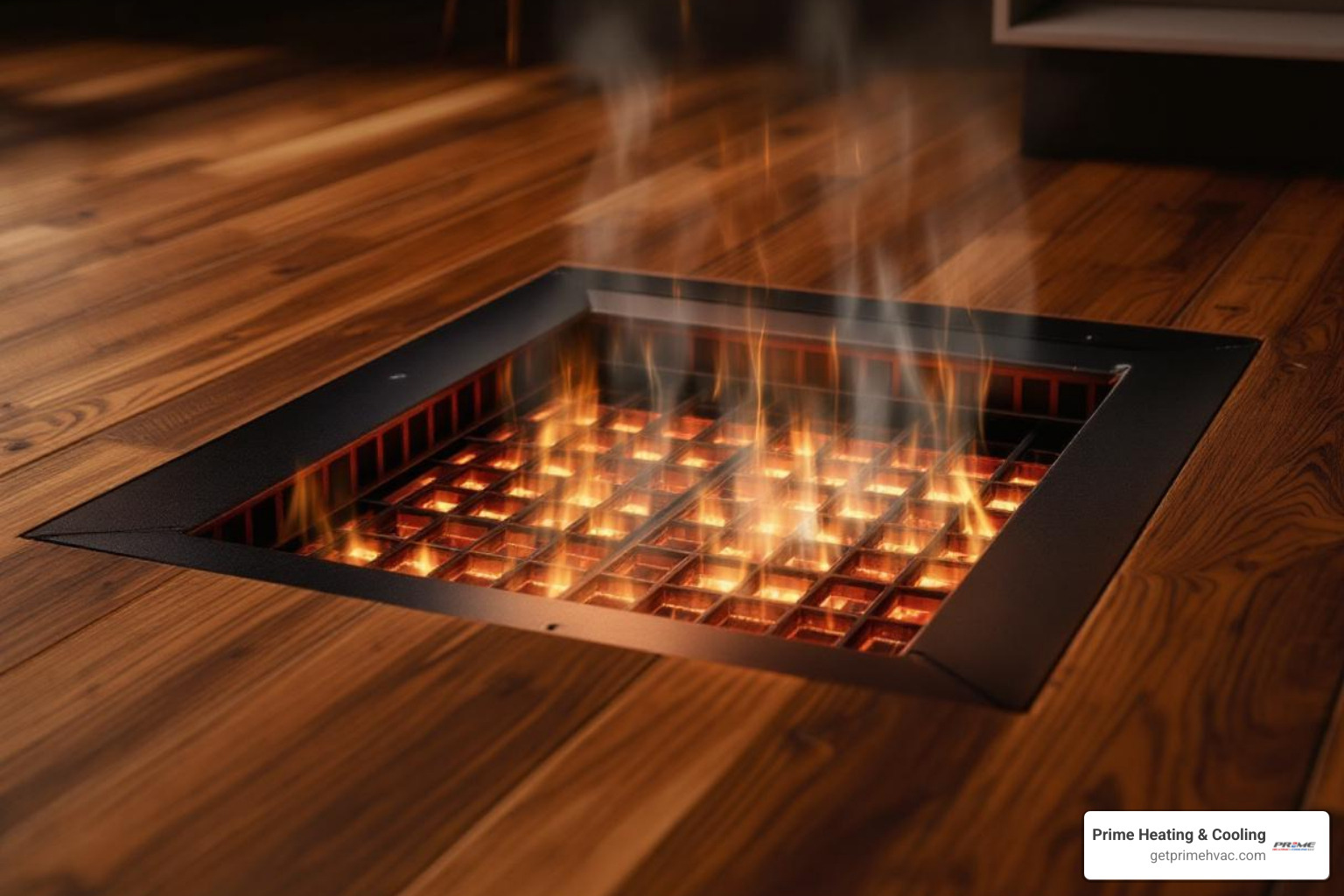
Why Floor Furnace Repair Matters for New England Homeowners
Floor furnace repair is essential knowledge for homeowners with these older heating systems, especially as winter temperatures drop across Rhode Island and Massachusetts. If your floor furnace isn’t working, here’s what to check first:
Quick Diagnostic Steps:
- Pilot light issues – Check if the pilot is lit and has a strong blue flame
- Dirty pilot burner/orifice – Clean these components if the gas valve won’t open
- Thermostat problems – Verify settings and check for broken wires
- Gas valve failure – Test if the pilot generator is producing enough voltage
- Clogged vents – Remove dust and debris from around the furnace grate
Floor furnaces are often 50+ years old and frequently suffer from neglected maintenance. The most common problem is a gas valve that won’t open, typically caused by a dirty pilot burner and pilot orifice that don’t generate enough heat on the pilot generator.
Safety Warning: If you smell gas, leave your home immediately and call your utility company from outside. Never attempt repairs if you suspect a gas leak or cracked heat exchanger.
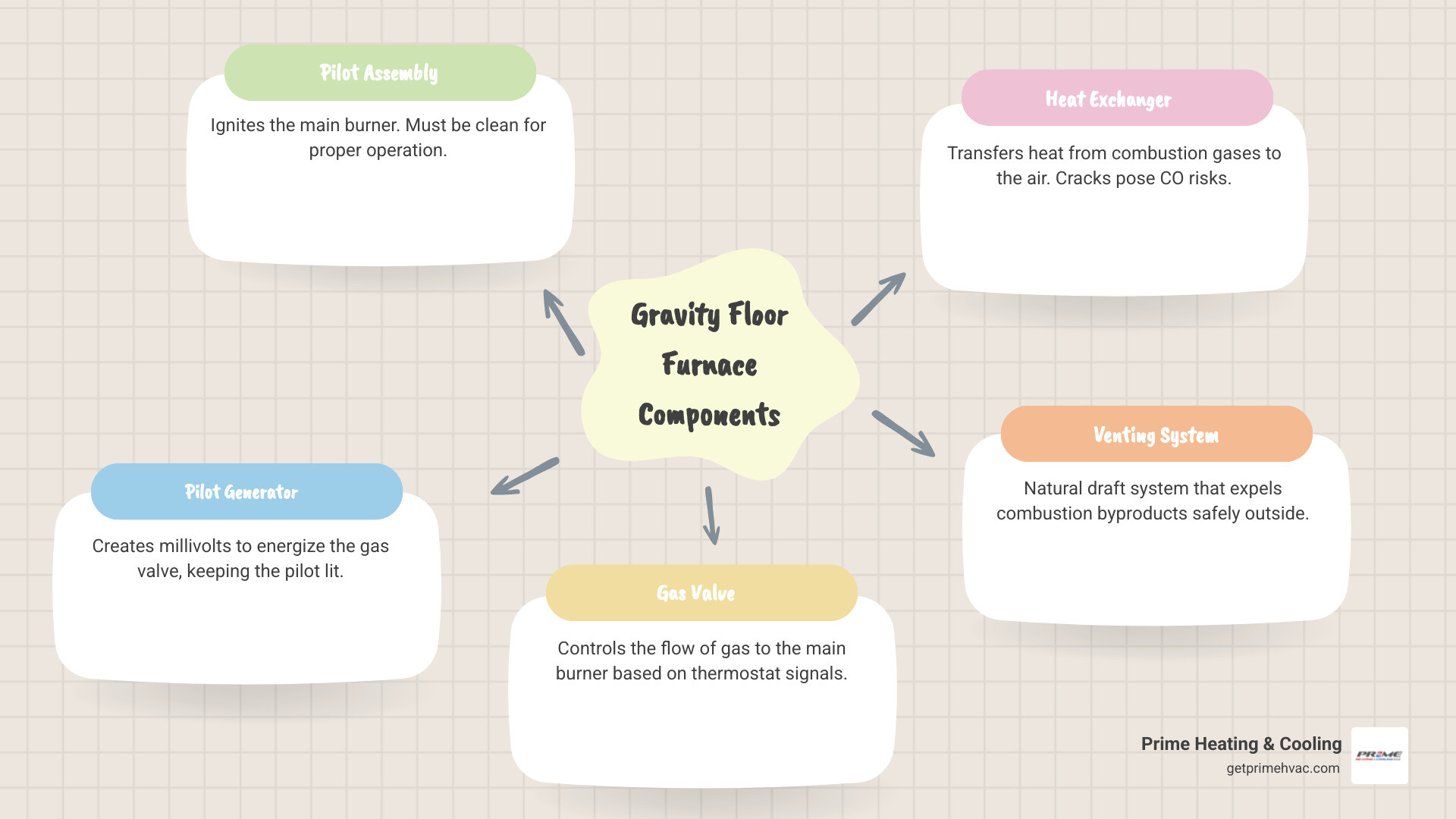
Floor furnaces use gravity and natural draft venting to heat your home—no blowers or fans. While they’re simple in design, they present unique safety considerations. Carbon monoxide poisoning from improper venting is a real risk, especially in older units with cracked heat exchangers or blocked chimneys.
This guide will walk you through diagnosing common floor furnace problems, from relighting pilot lights to replacing pilot generators. You’ll learn when a simple cleaning solves the issue and when it’s time to call a professional.
I’m Tyler Steiner, founder of Prime Heating & Cooling, and I’ve worked on heating systems throughout Rhode Island and Massachusetts for years. Floor furnace repair requires understanding older millivolt control systems and gravity heating—knowledge I’ve gained through hands-on experience with these increasingly rare but still-functioning units.
Safety First: Critical Precautions for Floor Furnace Repair
Working with gas appliances is dangerous without proper care. Your safety is the top priority.
Gas Leak Procedure: If you smell rotten eggs (a sign of a gas leak), do not use phones or light switches. Leave the house immediately, leaving the door open. Once you are a safe distance away, call your gas company or 911. Do not re-enter until emergency services declare it safe.
Before Any Repair:
- Shut Off Gas: Turn the gas shut-off valve on the pipe leading to the furnace to the “off” position (usually perpendicular to the pipe).
- Cut Electrical Power: Find the furnace’s circuit breaker in your electrical panel and switch it off.
- Wear PPE: Use gloves to protect your hands and safety glasses to shield your eyes from debris.
Venting is Critical: Floor furnaces use natural draft venting, not fans, to remove exhaust. A blocked flue or chimney can cause dangerous gases, including carbon monoxide, to build up inside your home.
For more general furnace troubleshooting tips, you might find this resource helpful: 8 Simple Fixes if Your Heater Is Not Working
Understanding Carbon Monoxide Risks
Carbon monoxide (CO) is an odorless, colorless gas that can be fatal. Older floor furnaces carry a higher risk if not maintained.
- Causes of CO: The primary causes are incomplete combustion, improper venting, and a cracked heat exchanger.
- Signs of Trouble: Look for yellow flame tips on the main burners (a healthy flame is blue), soot buildup, a blocked chimney, or a damaged flue pipe. A cracked heat exchanger, which separates combustion gas from your breathable air, can release CO directly into your home and requires a professional inspection.
- CO Detectors are Essential: Install carbon monoxide detectors on every level of your home, especially near sleeping areas. Test them monthly and replace them according to the manufacturer’s instructions. They are your first line of defense.
For more on maintaining a healthy HVAC system, check out our guide: HVAC Services: The Key to a Comfortable Environment
How to Identify Your Furnace Type
Before starting any floor furnace repair, you must know your furnace’s fuel type. Most are gas, but some older models use oil.
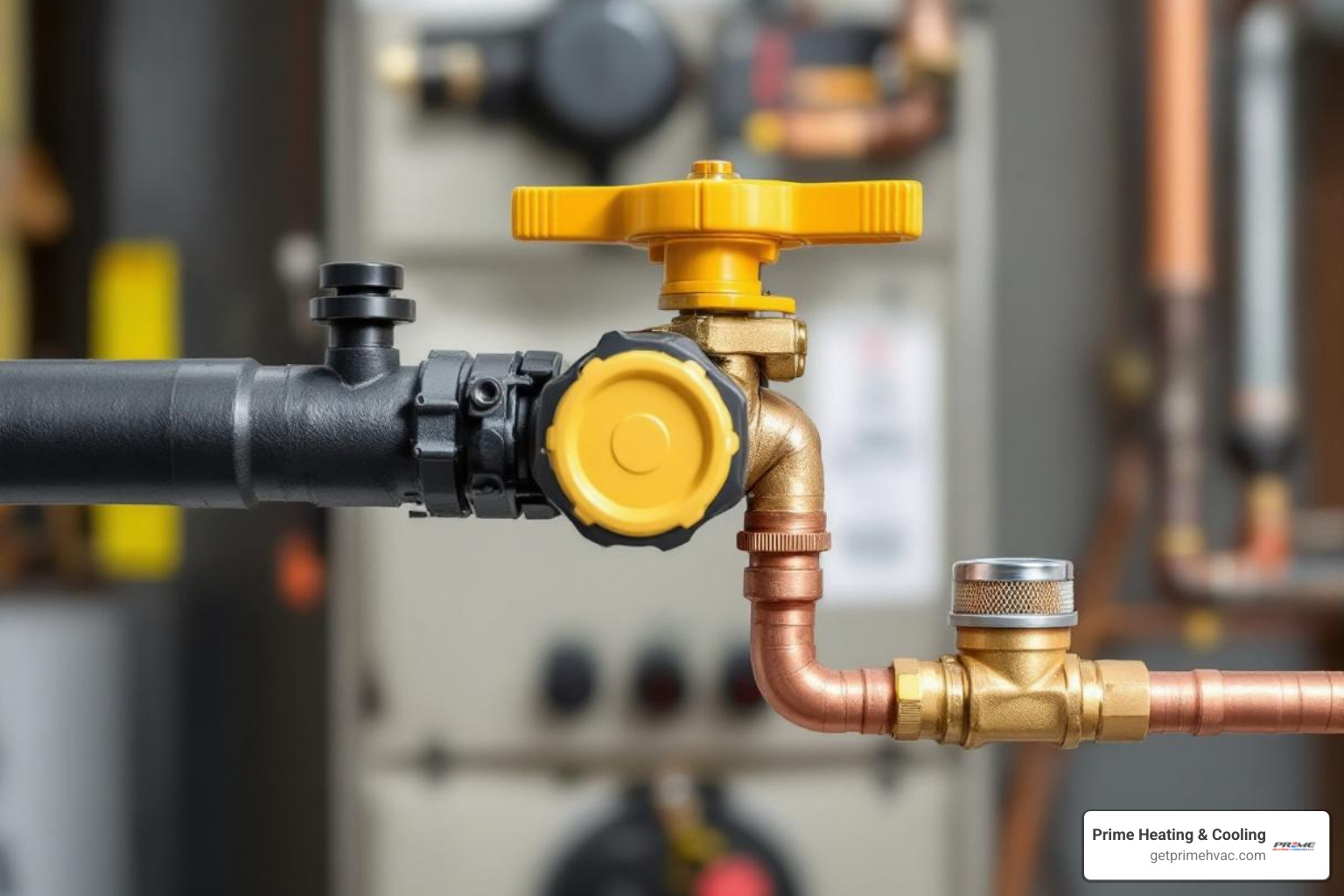
- Gas Furnaces: Connected to a natural gas line (often a black iron pipe or flexible yellow CSST) with a shut-off valve. They use a pilot light.
- Oil Furnaces: Fed by a small copper line from an oil tank. You will see an oil filter in the line.
- Check the Data Plate: The best way to confirm is to find the manufacturer’s data plate on the side or inside the furnace. It lists the fuel type, model number, and other key information for ordering parts.
Knowing the fuel type is crucial, as gas furnace repairs (pilot lights, gas valves) differ from oil furnace repairs (fuel pumps, nozzles, filters).
Step-by-Step Guide to Floor Furnace Repair Troubleshooting
Let’s get to practical troubleshooting, starting with the simplest fixes.
1. Thermostat Checks:
- Ensure it’s set to “Heat” and the temperature is several degrees above the current room temperature.
- Replace batteries if the display is blank or dim.
- Check for cracked or broken wiring at the thermostat and where it enters the furnace.
2. Clogged Vents and Basic Cleaning:
- Floor furnaces use convection (hot air rises, cool air sinks). Keep the floor grate clear of rugs or furniture.
- Remove the grate and inspect below for fallen objects that could block airflow.
- With the grate removed, use a wire brush and vacuum to clean out dust and debris from around the unit. This improves airflow and reduces fire hazards.
3. Furnace Cycling Issues: If your furnace turns on and off too frequently (short-cycling):
- Check for a dirty filter: Some units have a screen at the return air inlet. A dirty one restricts airflow and can cause overheating.
- Check thermostat location: A thermostat in a drafty spot or too close to the furnace can get false readings, causing short cycles.
If your furnace keeps turning on and off, our detailed guide can help: Furnace Keeps Turning On and Off
Troubleshooting the Pilot Light
The pilot light is the heart of an older gas floor furnace. If it’s out, the furnace won’t work.
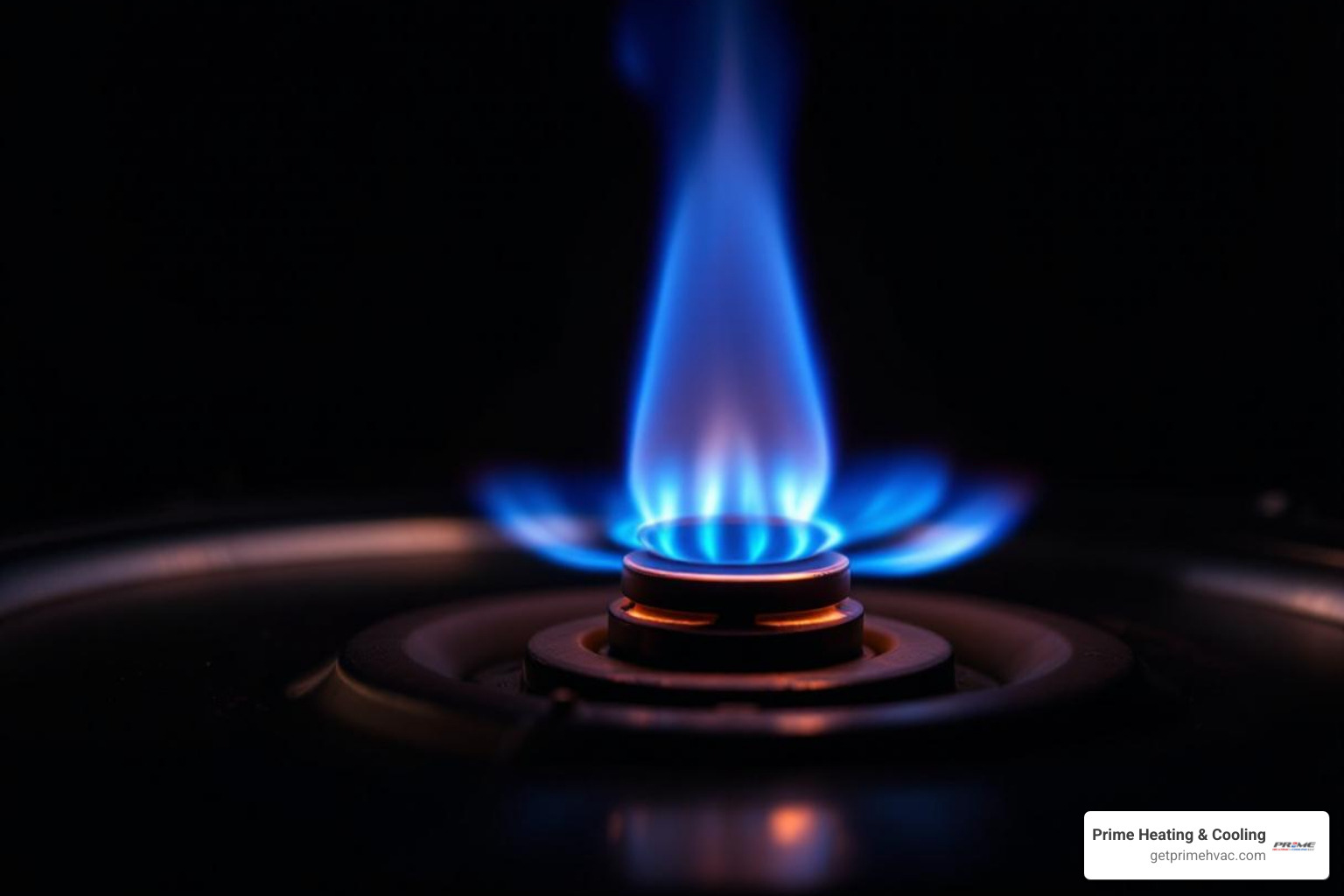
Pilot Won’t Ignite:
- First, ensure the gas valve to the furnace is open.
- Follow the relighting instructions on the furnace. This usually involves turning a knob to “Pilot,” pressing it down, and lighting the pilot. If it won’t light, the pilot orifice may be blocked.
Pilot Won’t Stay Lit: This common floor furnace repair issue often points to a problem with the pilot flame itself.
- Weak or yellow flame: The flame must be strong, steady, and blue, fully covering the tip of the pilot generator. A weak flame won’t generate enough heat.
- Dirty pilot burner/orifice: This is the most common cause of a weak flame. Dust and debris can clog the tiny pilot orifice, starving the flame. Cleaning it often solves the problem.
Cleaning the Pilot Assembly:
- Turn off the gas and power. This is a critical safety step.
- Locate the pilot assembly (a small tube where the flame emerges).
- Use a thin wire or compressed air to gently clear debris from the pilot orifice. Be careful not to widen the hole.
- Use a soft brush to clean the outside of the pilot burner.
- Reassemble, turn the gas on, and try relighting the pilot.
The Millivolt System: Understanding the Pilot Generator
Many older floor furnaces use a simple, self-powered millivolt control system. Its key component is the pilot generator (often mistaken for a thermocouple).
How a Millivolt System Works:
The pilot flame heats the pilot generator, which converts that heat into a small electrical current (millivolts). When the thermostat calls for heat, it closes a circuit, allowing this current to power a solenoid in the gas valve. The solenoid opens, letting gas flow to the main burners, which are then lit by the pilot flame. This clever system operates the gas valve without needing external household electricity.
Testing the Pilot Generator: If the pilot stays lit but the main burners won’t ignite, the pilot generator may be failing.
- Using a multimeter set to DC millivolts, test the generator’s output.
- With the pilot lit, disconnect the generator’s wires from the gas valve and connect the multimeter leads to the generator’s terminals.
- A healthy generator should produce 500-750 millivolts (0.5-0.75 volts). A reading below 200mV indicates it’s likely failing.
When to Replace the Pilot Generator: If cleaning the pilot assembly doesn’t restore a strong flame and the voltage is low, the generator needs replacement. Older units (like a General Controls PG-1) can be hard to clean and are often replaced with modern, more reliable versions like a PG-9, which costs around $40.
For all your heating system needs, including pilot generator replacements, our team is ready to help: Heating Services
Advanced Diagnostics and Maintenance
If the basics don’t solve the problem, you may need to investigate these more advanced areas for your floor furnace repair.
Signs of a Bad Gas Valve:
While a dirty pilot or failing pilot generator is the usual culprit, the gas valve itself can fail.
- Pilot is on, but main burner won’t light: If the pilot generator is producing enough voltage (500mV+), the gas valve’s internal solenoid may be faulty.
- Valve won’t close: A major safety hazard. If burners stay on after the thermostat is satisfied, shut off the gas supply immediately and call a professional.
- Clicking, no ignition: A click from the valve means it’s trying to open, but an internal issue may be blocking gas flow.
Replacing a gas valve is a job for a licensed professional.
Advanced Safety Inspections:
- Heat Exchanger: Visually inspect the heat exchanger for cracks, significant rust, or soot streaks, which can indicate a dangerous leak of combustion gases. This is best done by a professional.
- Venting and Flue Pipe: Ensure the flue pipe and chimney are clear of blockages like nests or debris. Inspect the pipe for rust, holes, or loose connections, as proper drafting is essential to vent exhaust gases safely.
For a comprehensive guide, refer to this: Gas Furnace Inspection Checklist
Inspecting the Heat Exchanger for Damage
The heat exchanger is a metal chamber that keeps toxic combustion gases separate from your home’s breathable air. A failure here is extremely dangerous.
How to Spot Damage:
- Visual Cracks: Use a flashlight to look for hairline cracks on the heat exchanger’s surface, especially near welds.
- Warped Metal: Distorted or warped surfaces indicate overheating and stress.
- Soot Streaks: Black soot on the outside of the exchanger suggests combustion gases are leaking.
- Rust and Corrosion: Significant, flaky rust can weaken the metal and lead to holes.
A damaged heat exchanger can leak deadly carbon monoxide into your home. If you suspect any damage, shut down the furnace and call a professional immediately. This is not a DIY repair.
For more on the importance of professional maintenance for your HVAC system, read: The Importance of Professional HVAC Installation and Maintenance Services
Essential Floor Furnace Repair and Maintenance Checklist
Regular maintenance is key to keeping your older floor furnace running safely. Here is an annual checklist:
- Clean and Clear Airflow: Regularly remove the floor grill and vacuum out all accumulated dust and debris. Ensure nothing is blocking the natural convection of air.
- Inspect Flames: Check that the pilot flame is strong and blue. When the main burners ignite, those flames should also be mostly blue. Yellow flames indicate a combustion problem that needs professional attention.
- Inspect Wiring: Look for cracked, frayed, or loose wiring to the thermostat and inside the furnace compartment.
- Test CO Detectors: Test your carbon monoxide detectors monthly and replace batteries annually.
- Professional Safety Inspection: Annually, have a professional inspect the heat exchanger for damage and ensure the flue pipe is clear and drafting correctly. They can also test safety controls like the limit switch.
Regular tune-ups, like those we offer, can significantly extend the life of your heating system: How an HVAC Tune-Up Can Extend the Life of Your System
Frequently Asked Questions about Floor Furnaces
Here are answers to common questions we hear from homeowners in Rhode Island and Massachusetts.
How much does floor furnace repair typically cost?
The cost of floor furnace repair can range from $200 for simple fixes (like a pilot cleaning) to over $2,000 for major component replacement. Key factors influencing the price include:
- Part Costs: Availability affects price. A new PG-9 pilot generator is around $40, but a replacement gas valve can be much more expensive.
- Labor Rates: These vary by region and the complexity of the repair.
- Repair vs. Replacement: For furnaces over 15 years old, if a repair costs more than 50% of a new, high-efficiency system, replacement is often the more cost-effective long-term solution.
When should I call a professional instead of DIY repair?
While basic cleaning is manageable, always call a professional for these situations:
- If you smell gas: Evacuate immediately and call your utility company from outside.
- If you suspect a cracked heat exchanger: Signs include yellow flames or unusual odors. This is a life-threatening issue. Shut the unit down and call for help.
- For complex electrical or gas valve work: These repairs require specialized knowledge and tools to be done safely.
- If you’re not confident: When in doubt, calling an expert is the safest choice. Repairing HVAC equipment can be dangerous.
When you need a pro, knowing how to choose one is important. Here are some Tips for Hiring a Heating Contractor.
Can I upgrade my old floor furnace?
Due to their simple design, upgrades are limited, but a few are worthwhile.
- Add a Limit Switch: This is a highly recommended safety upgrade. A technician can install a switch to shut off the burner if the grate gets too hot (e.g., 135°F-175°F), protecting children and pets.
- Upgrade the Thermostat: You can often install a modern programmable or smart thermostat, as long as it’s compatible with millivolt systems.
Adding components like blowers is generally not feasible or cost-effective. Any upgrade should be performed by a qualified HVAC technician to ensure it is done safely and correctly.
When in Doubt, Call the Experts
We’ve covered a lot of ground in floor furnace repair – from identifying your furnace type and understanding crucial safety precautions to troubleshooting pilot lights, checking heat exchangers, and performing essential maintenance. We hope this guide empowers you to address some common issues yourself.
However, as we’ve emphasized, safety is paramount. If you’ve tried the basic troubleshooting steps and your floor furnace still isn’t working, if you suspect a gas leak or a cracked heat exchanger, or if you simply don’t feel comfortable performing a repair, please don’t hesitate to call in the professionals.
With 20 years of experience serving homeowners across Rhode Island and Massachusetts, including towns like Smithfield, Warwick, and Providence, our skilled technicians at Prime Heating & Cooling are experts in diagnosing and repairing all types of heating systems, including these older, often unique, floor furnaces. We provide reliable, energy-efficient solutions and are available 24/7 for your heating emergencies.
Don’t let a chilly home get you down this winter. For expert heating repair in RI, contact us today! For expert heating repair in RI, contact us today!


