
Your Guide to a Healthy and Efficient HVAC System
HVAC maintenance is the routine care and inspection of your heating, ventilation, and air conditioning system to keep it running efficiently and prevent breakdowns. Here’s what you need to know:
Key HVAC Maintenance Essentials:
- Frequency: Schedule professional service twice a year—spring for cooling, fall for heating
- DIY Tasks: Change air filters monthly, clear outdoor units of debris, keep vents unblocked
- Professional Tasks: Inspect electrical connections, check refrigerant levels, clean coils, lubricate moving parts
- Benefits: Lower energy bills by up to 15%, extend system lifespan to 15-25 years, improve indoor air quality
- Cost: Professional tune-ups run $450-$1,000 annually vs. $7,500-$12,500 for full system replacement
The numbers tell a compelling story. The average home spends nearly $1,900 yearly on energy bills, with almost half going to heating and cooling. Yet fewer than half of homeowners—just 47%—have had their HVAC system serviced within the last year. This neglect is costly: dirt and neglect are the top causes of heating and cooling system failure and inefficiency.
The stakes are high, especially in New England. Forty-two percent of homeowners report experiencing HVAC issues during heat waves, often when they need their systems most. These breakdowns aren’t just inconvenient—they’re expensive. While an HVAC inspection costs around $300, repairs average $350 but can reach $3,000. A full system replacement? That’s $7,500 to $12,500.
The good news? Most of these costly disasters are preventable through regular maintenance.
I’m Tyler Steiner, founder of Prime Heating & Cooling, and I’ve spent my career helping New England homeowners protect their HVAC investments through proper maintenance and care. After graduating from the New England Institute of Technology with advanced HVAC training, I built Prime on the principle that proactive HVAC maintenance prevents the majority of emergency calls we receive.
Why Regular HVAC Maintenance is Essential for Your Home
We often think of our HVAC system only when it’s not working, usually during the sweltering heat of a Rhode Island summer or the bitter cold of a Massachusetts winter. But just like a car, your heating and cooling system needs regular tune-ups to perform its best. Neglecting this vital equipment is like driving your car without oil changes – it’s a recipe for disaster. Regular HVAC maintenance isn’t just about fixing problems; it’s about preventing them, saving you money, and keeping your home comfortable and safe year-round.
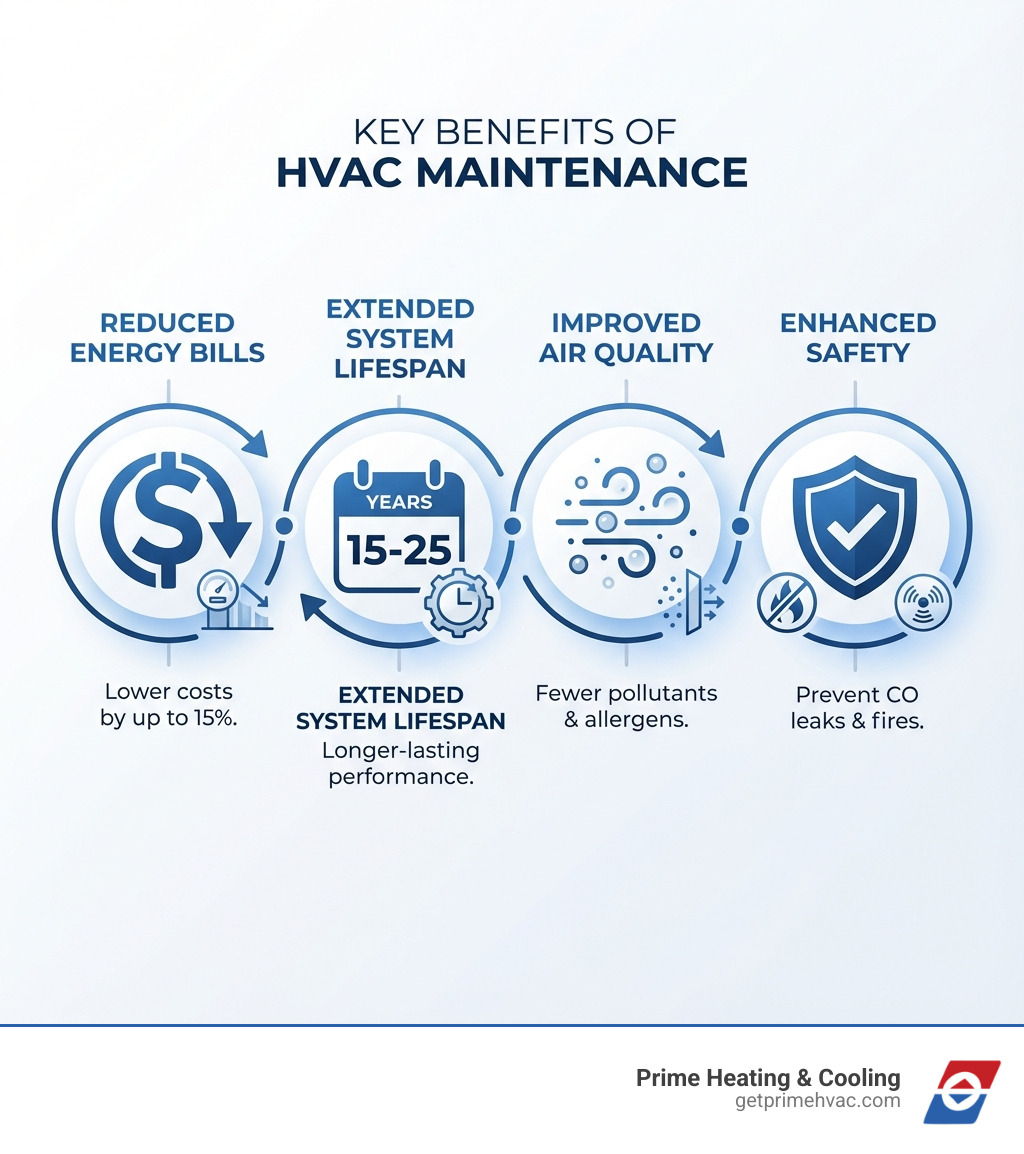
Boost Energy Efficiency and Lower Utility Bills
Let’s face it, nobody enjoys high energy bills. In fact, nearly half of the average home’s $1,900 annual energy expenditure goes towards heating and cooling. That’s a significant chunk of change! The good news is that regular HVAC maintenance can drastically reduce these costs.

Our research and experience consistently show that dirt and neglect are the primary culprits behind inefficient heating and cooling systems. When components like air filters and coils get dirty, your system has to work much harder to achieve the desired temperature. Think of it like trying to run a marathon with a pillow over your face – it’s exhausting and inefficient! A clogged filter, for instance, forces your furnace or AC to strain, leading to higher energy bills and even potential breakdowns.
Beyond just dirt, structural issues can also siphon off your hard-earned money. Did you know that in a typical house, about 20 to 30 percent of the air that moves through the duct system is lost due to leaks, holes, and poorly connected ducts? That’s heated or cooled air you’re paying for, literally escaping into your attic or walls! Sealing these leaks is a critical maintenance task that can significantly improve your system’s efficiency.
By keeping your system clean and well-maintained, we ensure it operates at peak performance, consuming less energy. In fact, replacing an old, inefficient system with an ENERGY STAR certified model, alongside regular maintenance, can save you nearly $140 annually. For more ways to save, explore our energy saving tips for your air conditioner.
Extend Your System’s Lifespan
Your HVAC system is a major investment, often costing upward of $7,500 to $12,500 for a new installation. Naturally, you want that investment to last as long as possible. The good news is that regular HVAC maintenance is the best way to ensure your system reaches its maximum life expectancy.
HVAC systems are designed to be durable, typically lasting between 15 to 25 years. However, this lifespan isn’t guaranteed; it’s heavily dependent on consistent care. Different components have varying lifespans: heat pumps generally last 10 to 15 years, AC units 15 to 20 years, and furnaces 15 to 30 years. Boilers, the workhorses of heating, can last an impressive 20 to 30 years.
Routine inspections and tune-ups prevent the wear and tear that can shorten your system’s life. By catching small issues early – before they escalate into major, costly repairs – we can keep your system operating smoothly. This proactive approach reduces the risk of breakdowns, minimizes strain on components, and ultimately prolongs the life of your equipment. It’s like getting regular check-ups for yourself; a little preventative care goes a long way in ensuring a long, healthy life. Learn more about how an HVAC tune-up can extend the life of your system.
Improve Indoor Air Quality
We spend a significant amount of our lives indoors, and the quality of the air we breathe directly impacts our health and comfort. A well-maintained HVAC system plays a crucial role in ensuring that air is clean and healthy.
Over time, dust, pollen, pet dander, and other airborne pollutants can accumulate in your HVAC system, especially in dirty air filters and coils. When your system operates with these contaminants, it effectively circulates them throughout your home in places like Providence, Lincoln, or Warwick, exacerbating allergies and respiratory issues.
Maintenance tasks like cleaning or replacing filters and cleaning ducts and coils are vital for reducing dust, allergens, and pollutants. A clogged filter not only makes your system work harder, but it also becomes ineffective at trapping these particles, leading to poorer indoor air quality. Think about it – would you want to breathe air that’s been circulated through a layer of grime? We certainly wouldn’t!
By regularly performing these tasks, we help ensure your family breathes cleaner, healthier air, making your home a more comfortable and safe environment. This is especially important for households with children, elderly individuals, or those with allergies or asthma. Understanding AC filter replacement is key to clean air and should be a top priority for every homeowner.
Improve Safety and Prevent Hazards
Beyond comfort and efficiency, HVAC maintenance is critically important for the safety of your home and family. Neglecting your system can lead to dangerous situations, including carbon monoxide leaks, electrical issues, and even fire hazards.
For homes with gas furnaces, a dirty burner or a cracked heat exchanger can lead to improper combustion. This is extremely serious because it can result in carbon monoxide (CO) leaking into your home. Carbon monoxide is an odorless, colorless gas that can be deadly. We always emphasize the importance of checking carbon monoxide detectors monthly and replacing their batteries annually. If your natural gas furnace flame isn’t a crisp, blue color but instead yellow, orange, or green, it’s a clear sign of a combustion problem that requires immediate professional attention. Similarly, a blocked flue pipe, which safely vents combustion byproducts outside, can cause CO to leak indoors.
Electrical components within your HVAC system can also become faulty or loose over time. Faulty electrical connections can cause unsafe operation and reduce the life of major components. More alarmingly, they can lead to electrical fires. If you ever detect an electrical burning smell coming from your HVAC unit, shut it down immediately and call us. This isn’t a smell to ignore!
Regular professional inspections ensure that all gas and electrical connections are secure, heat exchangers are intact, and safety controls are functioning properly. This proactive approach helps identify and rectify potential hazards before they become life-threatening.
The Ultimate HVAC Checklist: DIY vs. Professional Tasks
Maintaining your HVAC system doesn’t have to be overwhelming. We believe in empowering homeowners to handle simple, routine tasks while emphasizing the critical importance of leaving more complex work to certified professionals. This balanced approach ensures your system gets the care it needs without putting you or your equipment at risk.
Essential DIY HVAC Maintenance Tasks for Homeowners
There are several straightforward HVAC maintenance tasks you can perform yourself to keep your system running smoothly between professional visits. These tasks are crucial for day-to-day efficiency and can often prevent minor issues from escalating.
Here’s a list of DIY maintenance tasks we recommend for homeowners in Smithfield, Johnston, or any of our service areas:
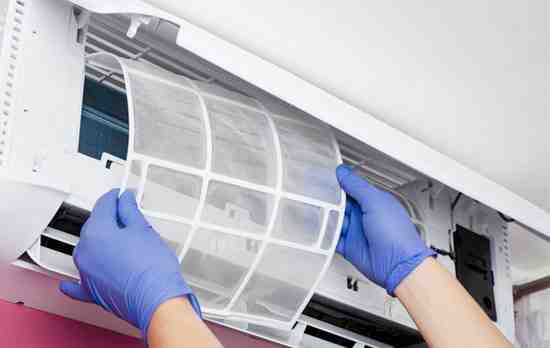
- Air Filter Replacement: This is arguably the most important DIY task. You should inspect your air filter once a month and replace it every 1 to 3 months, or more frequently if you have pets or allergies. A dirty filter restricts airflow, making your system work harder and reducing indoor air quality. Before changing, remember to turn off your HVAC system at the thermostat or circuit breaker. The airflow arrow on the new filter should point towards the furnace or blower unit.
- Cleaning Outdoor Unit: Keep your outdoor condenser unit clear of debris like leaves, grass clippings, and dirt. Trim any vegetation, such as shrubs or trees, at least 18 inches to 2 feet away from the unit to ensure proper airflow. A garden hose can be used to gently rinse off the condenser coils.
- Clearing Debris and Unblocking Vents: Regularly check that all supply and return vents inside your home are unobstructed by furniture, drapes, or rugs. Blocked vents can lead to uneven heating or cooling and strain on your system. We’ve seen it many times where a simple repositioning of a couch makes a world of difference!
- Checking the Condensate Drain Line: The condensate drain line removes moisture from your AC unit. If it gets clogged, it can cause water damage and affect indoor humidity levels. You can often flush it with a mixture of bleach and water every few months to prevent algae and mold buildup.
- Ductwork Inspection: While sealing major leaks is a job for pros, you can visually inspect exposed ductwork in your basement or attic for obvious holes or disconnections. Use mastic sealant or metal tape (never duct tape!) for minor repairs if you’re comfortable.
- Testing Carbon Monoxide Detectors: For homes with gas furnaces, regularly test your carbon monoxide detectors. These devices are your first line of defense against dangerous CO leaks. Test them monthly and replace batteries annually.
- Assessing Furnace Flame Color: If you have a natural gas furnace, occasionally observe the flame in the burner. It should be a crisp blue. If you see yellow, orange, or green flames, it indicates incomplete combustion and requires immediate professional attention.
For more helpful tips and detailed instructions, refer to the helpful tips from Energy.gov.
Professional HVAC Maintenance: What a Technician Should Check
While DIY tasks are important, a professional HVAC maintenance check-up is indispensable. Our skilled technicians at Prime Heating & Cooling have the expertise and specialized tools to perform a thorough inspection and tune-up, identifying issues that might be invisible to the untrained eye.
During a professional maintenance visit, typically lasting one to two hours, we perform a comprehensive checklist that includes:
- Electrical Connections: We tighten all electrical connections and measure voltage and current on motors. Faulty connections can cause unsafe operation and reduce the life of major components.
- Refrigerant Levels: For AC units and heat pumps, we check refrigerant levels and adjust them if necessary. Too much or too little refrigerant makes your system less efficient, increases energy costs, and shortens equipment life.
- Coil Cleaning: We carefully clean both the evaporator and condenser coils. Dirty coils significantly reduce your system’s ability to cool or heat, forcing it to run longer and increasing energy consumption.
- Lubricating Moving Parts: Parts that lack lubrication cause friction in motors and increase electricity usage. We lubricate all moving parts to ensure smooth operation.
- Blower Components: We inspect, clean, and adjust blower components to ensure proper system airflow. Airflow problems can reduce your system’s efficiency by up to 15 percent!
- Ductwork Inspection: We conduct a thorough inspection of your ductwork for leaks, holes, or poorly connected sections, and seal them to prevent air loss.
- Thermostat Calibration: We check thermostat settings and calibrate them for accuracy. An uncalibrated thermostat can lead to inconsistent temperatures and wasted energy.
- Gas/Oil Connections and Heat Exchanger (for heating systems): For furnaces, we inspect all gas (or oil) connections, gas pressure, burner combustion, and critically, the heat exchanger for cracks. An improperly operating gas connection is a fire hazard, and a cracked heat exchanger can lead to carbon monoxide leaks.
- Drain Lines: We ensure condensate drain lines are clear and functioning properly to prevent water damage and manage indoor humidity.
- Safety Controls: We check all system controls for proper and safe operation, ensuring every component is working as it should.
- Wear and Tear: We inspect for worn pulleys, belts, and other components, recommending replacements before they lead to breakdowns.
This comprehensive service is what happens during an AC tune-up and is essential for optimal performance and longevity. You can find more details on what a professional check-up entails with the ENERGY STAR maintenance checklist.
Your Year-Round HVAC Maintenance Schedule
When it comes to HVAC maintenance, timing truly is everything. Our New England climate, with its scorching summers and frigid winters, puts immense strain on heating and cooling systems. Scheduling your maintenance at the right time ensures your system is ready for whatever Mother Nature throws its way, preventing inconvenient breakdowns when you need comfort the most.
Seasonal Tune-Ups: Preparing for Summer and Winter
We strongly recommend scheduling professional HVAC maintenance twice a year: once in the spring for your cooling system and once in the fall for your heating system. Think of these as pre-season check-ups, much like preparing your car for winter driving.
- Spring AC Check-up: As winter loosens its grip and temperatures start to rise in Rhode Island and Massachusetts, it’s the perfect time to prepare your AC for the hot, humid summer ahead. We advise booking your cooling system maintenance in late winter or early spring, ideally around April. This allows us to inspect and tune up your air conditioner before the peak cooling season begins, addressing any potential issues that could lead to a breakdown during a heat wave. This proactive step can save you from being one of the 42% of homeowners who experience HVAC issues during summer heat waves.
- Fall Heating Check-up: The changing fall leaves are a clear signal to prepare your heating system for the harsh New England winter. We recommend scheduling your heating system inspection in late summer or early fall, typically in September or October. This ensures your furnace, boiler, or heat pump is ready to provide reliable warmth when the freezing cold hits. We’ll check all critical heating components, including gas connections and heat exchangers, to ensure safe and efficient operation.
By aligning your maintenance with the seasons, you’re not just preparing your equipment; you’re preparing your home for seasonal changes. We even suggest using the spring and fall time changes as a helpful reminder to schedule these crucial appointments.
Understanding Different Maintenance Types
When we talk about HVAC maintenance, it’s helpful to distinguish between a few key approaches:
| Maintenance Type | Description | Timing | Goal |
|---|---|---|---|
| Preventative | Regularly scheduled inspections and tune-ups to keep the system running efficiently and avoid breakdowns. Proactive care. | Typically biannual (spring/fall) or annual depending on system type and usage. | Maximize efficiency, extend lifespan, prevent costly repairs, ensure safety, maintain comfort. |
| Corrective | Reactive maintenance focused on fixing identified problems. This often occurs after a preventative check flags an issue or when a system malfunctions. | As needed, when a problem is detected. | Restore system functionality, repair or replace faulty components. |
| Seasonal | Specific maintenance tasks performed to prepare the system for peak heating or cooling usage. | Spring (for AC) and Fall (for heating). | Optimize performance for extreme temperatures, ensure readiness for high demand, prevent seasonal breakdowns. This is a form of preventative maintenance custom to seasonal needs. |
| Annual Comprehensive | A detailed yearly inspection and servicing of all system components. Often combines elements of preventative and seasonal checks into one thorough visit. | Once a year. | Holistic system health check, covering all critical components to ensure long-term reliability and efficiency. This often includes tasks that might be too complex for homeowners to perform themselves. |
Our focus at Prime Heating & Cooling is heavily on preventative and seasonal maintenance. As our Preventive Maintenance vs. Reactive Repair article explains, being proactive almost always saves you money and headaches in the long run. Corrective maintenance, while sometimes unavoidable, is often a result of neglecting the preventative steps.
Repair or Replace? How Maintenance Influences the Decision
This is a question many homeowners in places like East Greenwich, North Providence, or Franklin eventually face. When your HVAC system starts acting up, is it better to repair it or invest in a brand new one? The answer often hinges on your system’s age, the cost of the repair, and critically, its maintenance history.
A well-maintained HVAC system can last 15 to 25 years. If your system is relatively young (under 10 years old) and the repair cost is a fraction of a new system, repairing is usually the more cost-effective option. An average HVAC repair might cost around $350, though complex issues can reach $3,000. This is a stark contrast to the $7,500 to $12,500 average cost of a new HVAC system.
However, if your heating and cooling equipment is more than 10 years old and you’re noticing frequent breakdowns, escalating energy bills, or inconsistent comfort, it might be time to consider a replacement. Continuing to pour money into an aging, inefficient system can be a “money pit.” A new, energy-efficient HVAC system can not only save you nearly $140 annually on energy bills but can also raise your home’s value by up to 7%!
Regular HVAC maintenance directly impacts this decision. A system with a consistent maintenance record is more likely to have a longer, more reliable lifespan, pushing back the need for replacement. We can often identify potential problems during routine checks, allowing for smaller, less expensive repairs before they become system-ending failures. This proactive care ensures you get the most out of your existing system, ultimately helping you make an informed and cost-effective decision when the time comes. To dig deeper into maximizing your system’s life, check out our guide on how to extend the life of your HVAC system.
Frequently Asked Questions about HVAC Upkeep
We often hear similar questions from homeowners across Rhode Island and Massachusetts regarding their HVAC systems. Here are some of the most common ones, along with our expert answers.
How often should I have my HVAC system professionally serviced?
We recommend professional HVAC maintenance at least twice a year. This means one check-up in the spring for your cooling system and another in the fall for your heating system. This biannual service ensures your system is properly prepared for the peak demands of summer heat and winter cold in our region.
While some pump systems might benefit from even more frequent checks due to their constant use, for most furnaces and AC units, twice a year is the sweet spot. Scheduling an HVAC inspection every six months is crucial for ensuring your system operates efficiently and safely, preventing unexpected breakdowns and costly repairs. Factors like the age of your system, how heavily it’s used, and whether you have pets can also influence this frequency. For a more detailed look, read our article on how often to schedule HVAC maintenance.
What are the key signs my HVAC system needs maintenance?
Your HVAC system usually gives you clues when it’s struggling. Ignoring these signals can lead to bigger problems down the line. Here are the key signs we advise homeowners to watch out for:
- Strange Noises: Any unusual sounds like banging, squealing, grinding, or hissing could indicate a problem with motors, belts, or other internal components.
- Unusual Smells: Musty odors might point to mold or mildew in your ducts or coils, while a burning smell could indicate an electrical issue. A sulfur or rotten egg smell (for gas systems) is a serious gas leak warning – evacuate and call for help immediately!
- High Utility Bills: If your energy bills are consistently higher than usual without a change in usage, your system is likely working harder than it should, indicating inefficiency.
- Inconsistent Temperatures: Rooms that are difficult to heat or cool, or noticeable hot and cold spots throughout your home (even in places like Smithfield or North Scituate), suggest your system isn’t distributing air effectively.
- Frequent Cycling: If your system turns on and off too frequently (short-cycling), it’s often a sign of an underlying issue, such as an oversized unit, a dirty filter, or a refrigerant leak.
- Poor Airflow: Weak airflow from your vents can indicate issues with your blower, ductwork, or severely clogged filters.
If you notice any of these signs, it’s time to call us for a professional inspection.
What is the most important HVAC maintenance task for a homeowner?
Without a doubt, the single most important HVAC maintenance task a homeowner can perform is regularly changing or cleaning their air filter. This simple, inexpensive task has a profound impact on your system’s efficiency, lifespan, and your indoor air quality.
A clogged filter forces your furnace or AC to work much harder to pull air through, leading to higher energy bills and increased wear and tear on your system. It also becomes less effective at trapping dust, allergens, and pollutants, meaning these particles are circulated throughout your home. We recommend checking your air filter monthly and replacing it every 1 to 3 months, depending on factors like pets, allergies, and the level of outdoor pollution. It’s a small effort that yields huge benefits! To understand why this task is so critical, read more about the role of air filters in your AC system.
Conclusion: Protect Your Investment and Comfort
As we’ve seen, regular HVAC maintenance isn’t just another chore on your homeowner to-do list; it’s a wise investment in your home’s comfort, safety, and your financial well-being. From lowering those pesky utility bills and extending the life of your expensive equipment to ensuring cleaner indoor air and preventing dangerous hazards, the benefits of proactive care are undeniable.
Don’t wait for a sweltering summer day in Coventry or a freezing winter night in North Smithfield to realize your system is struggling. Accept the power of preventative maintenance, combining easy DIY tasks with comprehensive professional tune-ups.
For expert service in Rhode Island and Massachusetts, trust the experienced technicians at Prime Heating & Cooling. We’re dedicated to keeping your home comfortable and your HVAC system running efficiently for years to come.
Schedule your professional HVAC services in RI today and experience the Prime Heating & Cooling difference!


