
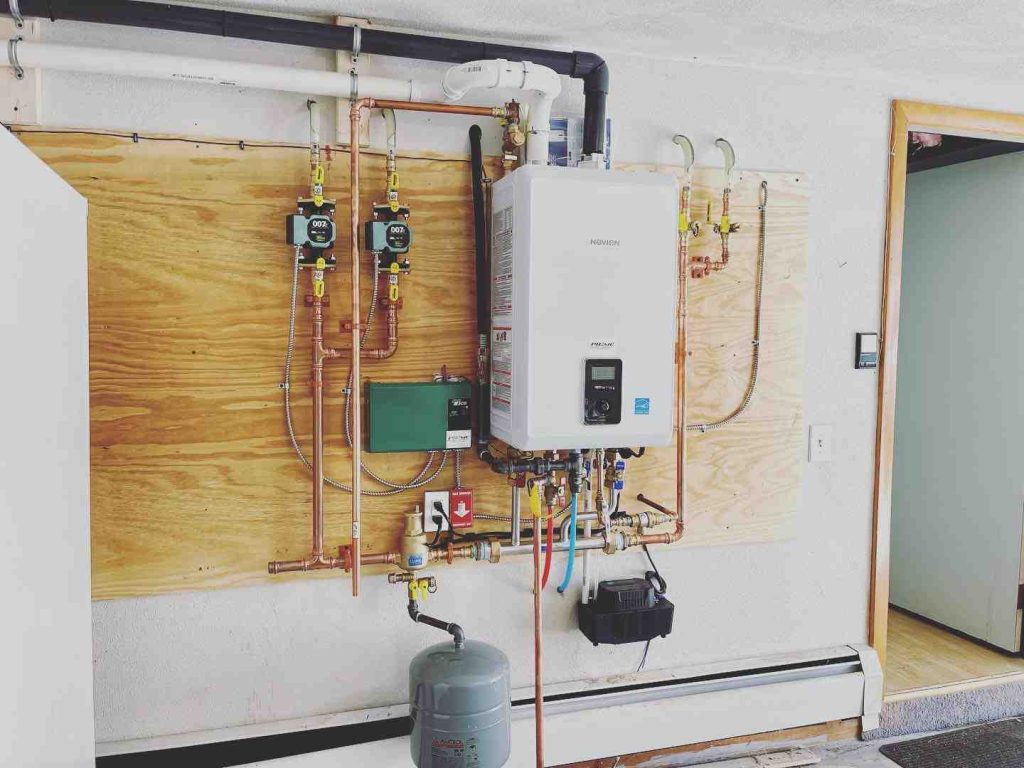
Why Water Heaters Matter for Rhode Island Homeowners
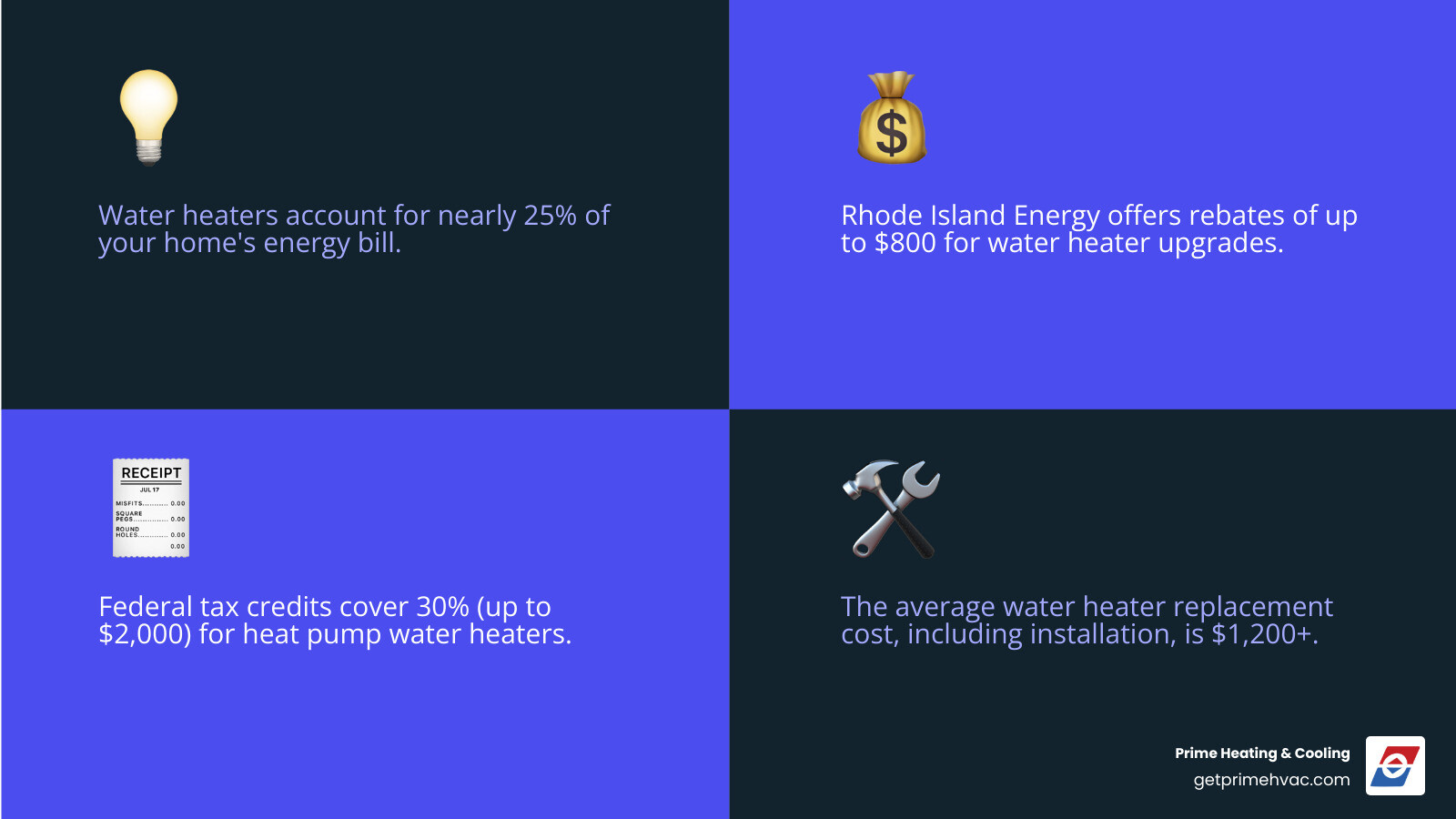
Rhode Island water heaters are essential systems, accounting for nearly 25% of your home’s energy bill. Making the right choice is critical for both comfort and cost savings. Whether you’re replacing an old unit or installing a new one, understanding your options—from traditional tanks to modern heat pumps—helps you make a decision that will impact your home for the next 10-15 years.
Quick Overview of Rhode Island Water Heater Options:
| Water Heater Type | Best For | Typical Lifespan | Energy Efficiency |
|---|---|---|---|
| Traditional Tank | Budget-conscious buyers, high usage | 8-12 years | Standard |
| Tankless (On-Demand) | Space-saving, continuous hot water | 15-20 years | Up to 30% savings |
| Heat Pump (Hybrid) | Maximum efficiency, rebate seekers | 10-15 years | Up to 3x more efficient |
| Indirect-Fired | Homes with existing boilers | 15+ years | High efficiency |
Key Considerations:
- Rebates up to $800 available through Rhode Island Energy
- Federal tax credits of 30% (up to $2,000) for heat pump models
- Installation must meet RI Plumbing Code requirements
- Average replacement cost: $1,200+ including installation
Often forgotten in a basement or utility closet, a water heater’s importance becomes clear when it fails—leaving you with no hot water for showers, dishes, or laundry. Fortunately, modern water heaters are highly efficient, and Rhode Island offers substantial rebates to help with upgrade costs.
I’m Tyler Steiner, and with two decades of HVAC experience serving Rhode Island, I’ve helped countless homeowners steer Rhode Island water heaters decisions. Our team at Prime Heating & Cooling stays current on local codes, rebate programs, and the latest technologies to ensure you get the right system for your home’s needs and budget.
Decoding Water Heater Types Available in Rhode Island
Choosing the right Rhode Island water heater can feel daunting, but understanding the different types is the first step. Each system offers unique benefits, impacting your initial investment, monthly energy bills, and hot water availability. Let’s explore the most common types in Rhode Island homes.
| Water Heater Type | Initial Cost | Operating Cost (Energy Efficiency) | Lifespan | Space Requirements |
|---|---|---|---|---|
| Traditional Tank | Lower | Higher (Standard) | 8-12 years | Significant |
| Tankless (On-Demand) | Higher | Lower (Up to 30% savings) | 15-20 years | Compact |
| Heat Pump (Hybrid) | Higher | Lowest (Up to 3x more efficient) | 10-15 years | Significant (requires clearance) |
| Indirect-Fired | Moderate | Low (uses existing boiler) | 15+ years | Moderate (tank only) |
Traditional Storage Tank Water Heaters
These are the most common water heaters in Rhode Island, featuring a large insulated tank that stores and continuously heats water. They are available in natural gas, propane, oil, and electric models.
Benefits:
- Lower Initial Cost: They typically have a lower upfront purchase and installation cost.
- Fuel Flexibility: You can choose a unit that uses the most economical fuel source for your home.
- Simple Operation: Their straightforward design makes them reliable and easy to service.
- Sizing Options: Available in many sizes (e.g., 40, 50, 80 gallons) to match your household’s needs.
Drawbacks:
- Standby Heat Loss: Constantly heating water leads to energy loss, even when not in use, resulting in lower efficiency.
- Limited Supply: You can run out of hot water during periods of high demand, and reheating can take time.
- Space Requirements: The tank requires a significant amount of dedicated space.
- Shorter Lifespan: They generally require replacement sooner than other models, with a typical lifespan of 8-12 years.
For expert advice on traditional tank water heaters, our team at Prime Heating & Cooling is here to help. Learn more on our Hot Water Services RI page.
On-Demand Tankless Water Heaters
Tankless water heaters heat water instantly as it flows through the unit, providing efficiency and convenience without a storage tank.
Benefits:
- Endless Hot Water: Never run out of hot water, even with back-to-back showers.
- Significant Energy Savings: By heating water only when needed, they can reduce water heating costs by up to 30%.
- Longer Lifespan: These units typically last 15 to 20 years, offering a great return on investment.
- Space-Saving Design: Their compact, wall-mountable design frees up valuable floor space.
Drawbacks:
- Higher Initial Cost: The upfront purchase and installation cost is generally higher than for tank models.
- Installation Requirements: May require upgrades to your gas line or electrical panel, adding to the cost.
- Flow Rate Limitations: High simultaneous demand might slightly reduce water temperature or pressure.
We can help you determine if a tankless water heater is right for your home. Compare options on our Tank vs. Tankless Water Heaters page.
High-Efficiency Heat Pump (Hybrid) Water Heaters
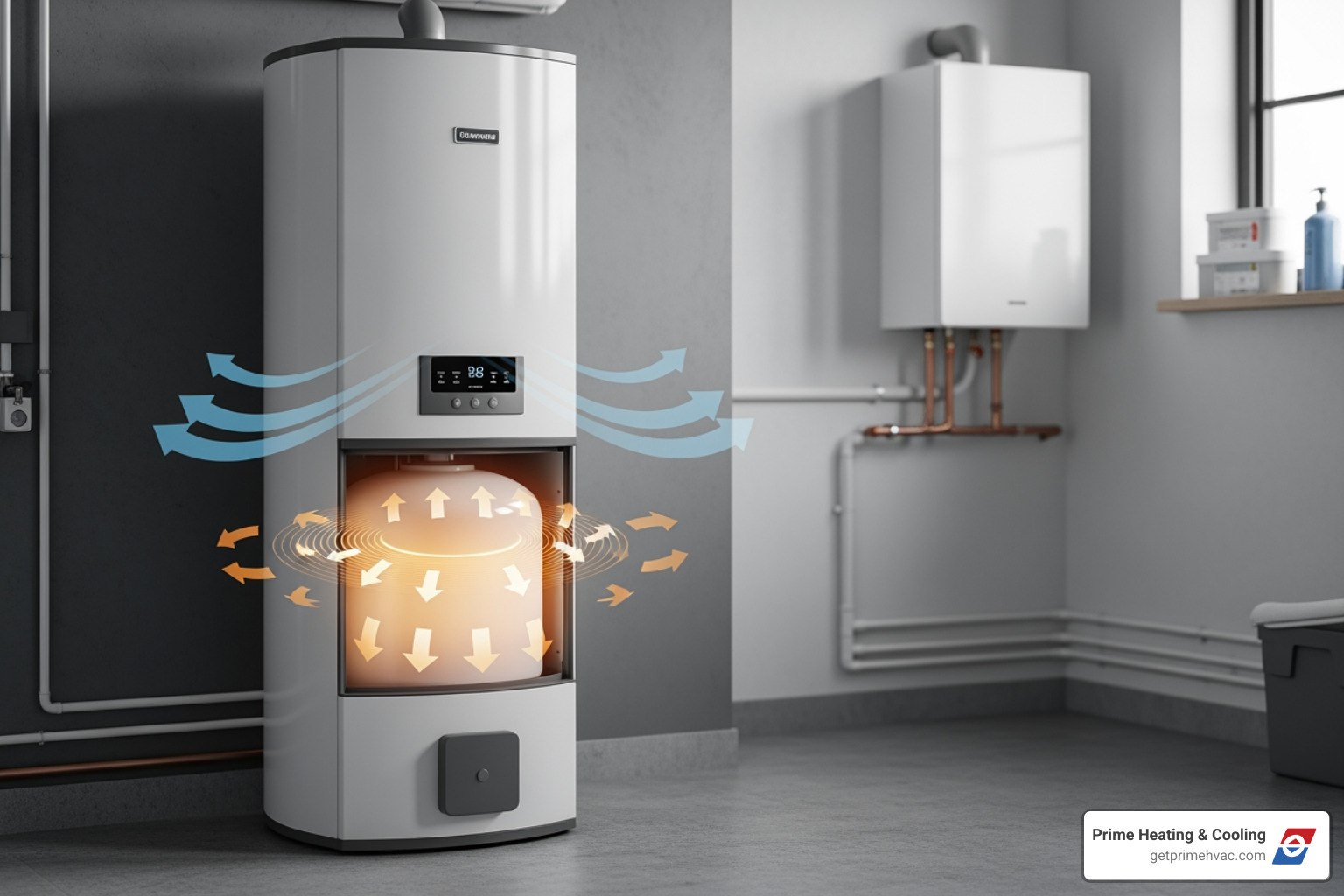
Heat pump (or hybrid) water heaters are an innovative choice for electric water heating. They don’t generate heat directly; instead, they move heat from the surrounding air into the water tank, like a refrigerator working in reverse.
Benefits:
- Exceptional Energy Efficiency: They are up to three times more efficient than standard electric models, leading to substantial savings.
- Reduced Operating Costs: Their high efficiency translates to lower monthly electricity bills.
- Environmental Benefits: Consuming less energy reduces your home’s carbon footprint.
Drawbacks:
- Higher Upfront Cost: The initial purchase price is higher than for traditional electric models.
- Specific Installation Requirements: They need ample air space (e.g., a basement) with an ambient temperature above 40-50°F for optimal performance and require a condensate drain.
- Noise: They produce a low hum, similar to a refrigerator.
A heat pump water heater is an excellent option for maximum energy savings. You can find Detailed information about heat-pump hot-water heaters can be found here.
Other Systems: Indirect-Fired
For Rhode Island homes with a boiler, an indirect-fired water heater is a highly efficient solution. It uses your existing boiler to heat your domestic hot water via a heat exchanger inside a storage tank.
Benefits:
- High Efficiency: Leverages your boiler’s excess capacity, saving fuel by not needing a separate burner.
- Reliability: These systems are very durable, often lasting over 15 years.
- Cost Savings: Reduces overall fuel consumption by integrating with your existing heating system.
RI Climate Suitability: Given Rhode Island’s colder climate where boilers are common, indirect-fired water heaters are a smart and viable option. If you have a boiler, an indirect-fired system could be perfect for you. Find More information about indirect-fired water heaters.
Making the Right Choice for Your RI Home
Choosing the best Rhode Island water heater involves aligning the system with your household’s needs, budget, and long-term goals. We’ll help you consider all the factors to ensure you make a choice that brings peace of mind for years to come. For personalized guidance, see our Hot Water Services in Smithfield: Your Guide.
Signs Your Water Heater Needs Repair or Replacement
Your water heater often provides clues that it needs attention. Ignoring these signs can lead to a sudden cold shower or significant water damage.

Key indicators to watch for:
- Inconsistent Temperature: Water that fluctuates from hot to cold can signal a failing heating element, thermostat, or sediment buildup.
- Discolored or Rusty Water: Brown or rusty hot water often indicates corrosion inside the tank, a strong sign that a leak is imminent.
- Strange Noises: Rumbling or popping sounds are usually caused by hardened sediment buildup, which reduces efficiency and damages the tank.
- Leaks Around the Unit: Any puddle or drip around the base of your water heater is a red flag that requires immediate attention.
- Age of Unit: If your tank water heater is over 10 years old, it’s living on borrowed time. Proactively replacing an aging unit is often wiser and more cost-effective than waiting for it to fail.
Catching these signs early can prevent costly emergencies. For more tips, check out our 7 Plumbing Tips to Prevent Disasters in Rhode Island.
Sizing Your Unit for a Rhode Island Household
Properly sizing a water heater is crucial for balancing hot water availability and energy efficiency. An undersized unit means cold showers, while an oversized one wastes energy. We consider several factors when sizing a Rhode Island water heater:
- Household Size & Habits: How many people live in your home, and what are your peak hot water usage times?
- Number of Bathrooms & Appliances: Do you often run multiple showers, the dishwasher, and laundry simultaneously?
- First-Hour Rating (FHR) for Tank Models: This metric indicates how much hot water a tank can supply in one hour. We match this to your peak demand.
- Flow Rate (GPM) for Tankless Models: For tankless units, we calculate the required gallons per minute (GPM) to meet the demand of simultaneous uses in your home.
A properly sized unit ensures you always have hot water without wasting energy. Our experts can perform a detailed assessment to recommend the perfect size and type for your home.
Renting vs. Buying: What’s Best for You?
Homeowners can either rent or buy a new Rhode Island water heater. The best choice depends on your financial situation and long-term plans.
Buying a Water Heater:
- Pros: You own the asset, and the long-term cost is typically lower.
- Cons: Requires a significant upfront payment for the unit and installation. You are responsible for all maintenance, repairs, and eventual replacement costs after the warranty expires.
Renting a Water Heater:
- Pros: Low or no upfront installation cost and a predictable, low monthly payment. All maintenance, repairs, and even full replacement are typically included, offering peace of mind against unexpected expenses.
- Cons: The total cost over the unit’s lifespan is generally higher than buying.
If you prefer to avoid large upfront costs and want the assurance that all future repairs are covered, renting can be a great option. If you prefer ownership and are prepared for potential future costs, buying may be the better choice. We can help you weigh the pros and cons for your specific situation.
Navigating Rebates and Savings for Rhode Island Water Heaters
Upgrading your Rhode Island water heater to an energy-efficient model is great for your wallet and the environment. Various state and federal incentives make the switch more affordable than ever, helping you reduce energy consumption and lower your utility bills.
State and Utility Rebates in Rhode Island
Rhode Island Energy and the Clean Heat RI program offer valuable rebates to make energy-efficient upgrades more accessible.
Rhode Island Energy Rebates:
- High-Efficiency Natural Gas Water Heaters: Receive rebates up to $600 for qualifying models, which can help you save up to 30% on energy bills.
- Electric Heat Pump Water Heaters: Get rebates up to $800 for qualifying units (typically ≤ 55 gallons with a UEF of 3.3 or more). Note: To qualify, the unit must replace an existing electric water heater or be installed in a new home. Installation must be done by a licensed plumber.
- Always check the Rhode Island Energy website for current details, eligibility requirements, and qualifying models.
Clean Heat RI Incentives:
- This program may offer additional incentives for heat pump water heaters, often with specific requirements related to weatherization, income, and installation by a participating contractor. Check the program’s official site for the latest offerings.
Application Process: Most rebates require an application submitted within 90 days of installation. We can help guide you through the process to ensure all paperwork is correctly submitted.
Federal Tax Credits for Energy Efficiency
In addition to state rebates, homeowners may be eligible for federal tax credits for installing qualifying high-efficiency water heaters.
- Heat Pump Water Heaters: You can claim a federal tax credit for 30% of the project cost, up to $2,000, for eligible heat pump water heaters. This can be combined with state rebates for maximum savings.
- Eligibility: The unit must meet specific energy efficiency requirements. We recommend consulting a tax professional and reviewing the latest IRS and ENERGY STAR guidelines.
For more details, Learn more about federal tax credits. These credits make upgrading your Rhode Island water heater a smart financial decision.
Installation, Codes, and Maintenance in RI
Proper installation and regular maintenance are essential to protect your investment in a new Rhode Island water heater. This ensures safety, compliance with local regulations, and a long, efficient lifespan for your unit.
Finding Qualified Installers in Rhode Island
Choosing the right professional is as important as selecting the right unit. In Rhode Island, always work with a licensed and experienced plumber.
What to Look For in an Installer:
- Licensing and Insurance: Verify they are a licensed plumber in Rhode Island and carry adequate insurance.
- Certifications & Experience: Ask about certifications for the type of unit you’re installing (e.g., tankless, heat pump) and their experience with local codes.
- Reputation: Look for a company with a strong track record and positive customer reviews.
At Prime Heating & Cooling, our licensed and certified technicians have 20 years of experience installing all types of Rhode Island water heaters. See our Category: Plumbing Services page for more on our expertise.
Key Rhode Island Plumbing Code Requirements
Water heater installation in Rhode Island is governed by the state’s plumbing code (based on IPC 2015) to ensure safety. Adhering to these codes is mandatory and protects your home and family.
Key requirements include:
- Safety Devices: Proper installation of temperature and pressure (T&P) relief valves with correct discharge piping is critical.
- Leak Protection: In areas where a leak could cause damage (like an attic or finished space), a safety pan with a drain line is required.
- Access for Service: The unit must be installed with adequate clearance for inspection, service, and eventual replacement.
- Venting: Gas and oil-fired units must be vented correctly to prevent carbon monoxide hazards.
Our licensed plumbers are experts in all Rhode Island plumbing codes, guaranteeing your installation is safe and compliant.
Maintenance Tips for Rhode Island Water Heaters
Regular maintenance helps your water heater perform efficiently and last longer. Proactive care can prevent costly breakdowns.
Top maintenance tips:
- Flush the Tank Annually: For tank-style heaters, flushing removes sediment buildup that reduces efficiency and causes corrosion.
- Check the Anode Rod: This sacrificial rod protects your tank from rust. It should be inspected every few years and replaced when depleted to extend the tank’s life.
- Test the T&P Valve: Annually test this critical safety valve to ensure it functions correctly. If it fails to release water, it must be replaced.
- Inspect for Leaks: Periodically check all connections for drips or corrosion.
- Schedule Professional Tune-ups: An annual professional service is the best way to catch potential issues, optimize performance, and ensure safety, especially for complex units like tankless or heat pump models.
For professional maintenance and repairs, visit our Regular Hot Water Services in Smithfield, RI page.
Frequently Asked Questions about Water Heaters in RI
Here are answers to some of the most common questions we hear from Rhode Island homeowners.
How much does a new water heater cost in Rhode Island?
The average cost for a new water heater with installation in Rhode Island is around $1,200, but this can vary widely. Factors influencing the final price include the water heater type (tank, tankless, heat pump), fuel source, capacity, brand, and installation complexity. High-efficiency models may cost more upfront but can be offset by significant rebates and tax credits.
How long should a water heater last?
Lifespan depends on the type, maintenance, and water quality:
- Traditional Tank Models: Typically last 8-12 years.
- Tankless (On-Demand) Models: Can last 15-20 years or more due to their durable design.
- Heat Pump (Hybrid) Models: Generally last 10-15 years.
Regular maintenance, such as flushing the tank and checking the anode rod, is the best way to extend the life of any water heater.
Can I install a water heater myself in Rhode Island?
We strongly advise against DIY water heater installation. Professional installation by a licensed plumber is essential for several reasons:
- Safety: Working with gas lines, high-voltage electricity, and pressurized water is dangerous and requires expertise.
- Code Compliance: Rhode Island has strict plumbing codes for installation. An improper installation can be unsafe and fail inspection.
- Warranty Protection: Most manufacturers’ warranties are voided by DIY installation.
- Rebate Eligibility: Many state and utility rebates require installation by a licensed professional.
Trusting a professional ensures a safe, compliant, and efficient installation of your Rhode Island water heater.
Ensure Your Home’s Comfort with Expert Water Heater Services
Choosing and maintaining the right Rhode Island water heater is crucial for your home’s comfort and budget. From reliable tank models to ultra-efficient heat pumps, understanding your options is the first step toward long-term savings and consistent hot water.
For expert installation, repair, and maintenance of all types of Rhode Island water heaters, trust the licensed professionals at Prime Heating & Cooling. With 20 years of experience serving communities across Rhode Island and Massachusetts, we are dedicated to providing safe, energy-efficient solutions and unparalleled customer service.
Don’t wait for a cold shower. Contact us today for a consultation or to schedule service.


