Why Heat Pump Installation Matters for Your Home’s Comfort and Efficiency
Heat pump installation is a smart investment for year-round comfort from a single, energy-efficient system. Instead of burning fuel, heat pumps transfer heat, making them about 3 times more efficient than conventional heating. For homeowners switching from electric baseboards, oil, or propane, this can mean annual savings of around $898 on energy bills.
However, the benefits depend entirely on proper installation. It’s a complex job requiring professional expertise in electrical systems, refrigerant handling, and precise system sizing. Research shows that a staggering 90% of all HVAC systems are installed incorrectly, leading to higher energy bills, frequent repairs, and a shorter system lifespan.
Key aspects of a professional installation include:
- A thorough home assessment using Manual J load calculations to size the system correctly.
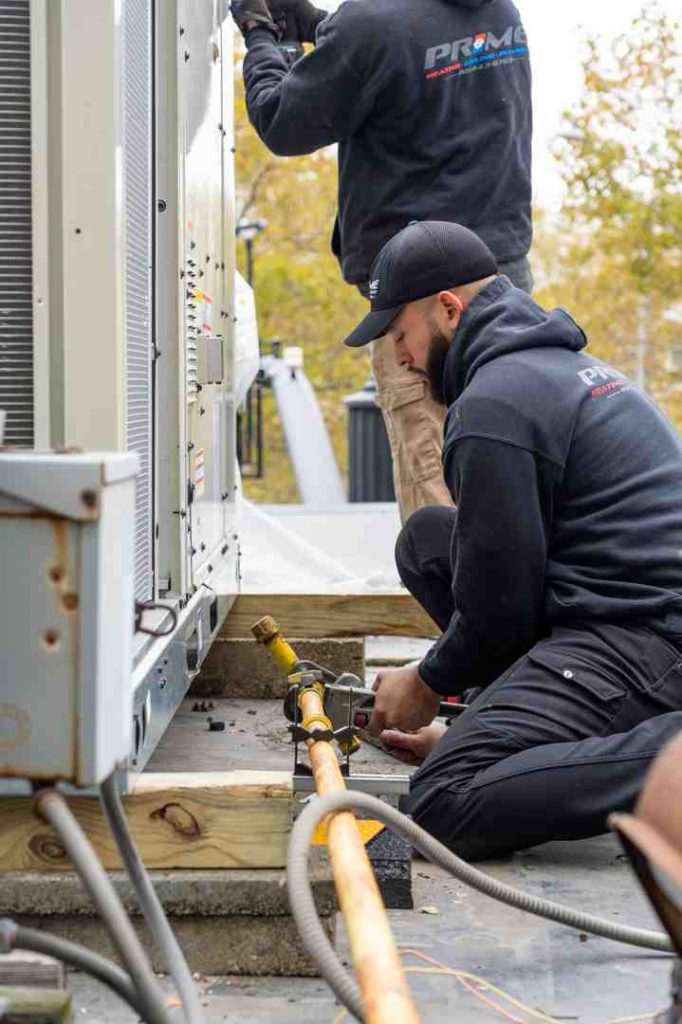
- Proper site preparation and secure installation of indoor and outdoor units.
- Meticulous connection of refrigerant lines, electrical wiring, and drainage.
- Complete system commissioning and testing of all functions.
An improperly sized or installed heat pump will fail to deliver the expected comfort or savings. Oversized systems waste energy by short-cycling, while undersized ones struggle in extreme weather. When installed correctly by a certified professional, a heat pump is one of the most reliable and cost-effective ways to heat and cool your home, even in cold New England winters.
I’m Tyler Steiner, founder of Prime Heating & Cooling. After graduating from the New England Institute of Technology with advanced HVAC training, I founded Prime to bring best-in-class installation practices to Rhode Island and Massachusetts homeowners. We ensure every heat pump installation meets the highest standards for performance and reliability.
When considering a major home upgrade like a new heat pump system, the expertise behind the installation is just as important as the equipment itself. As we mentioned, a staggering 90% of all HVAC systems are installed incorrectly, which means many homeowners aren’t getting the efficiency, comfort, or lifespan they paid for. That’s why understanding The Importance of Professional HVAC Installation and Maintenance Services is paramount. A professional heat pump installation ensures that your system functions optimally from day one, providing reliable, energy-efficient comfort for years to come.
Pre-Installation Checklist: Home Assessment, Sizing, and Selection

Before any tools come out, the most crucial phase of a heat pump installation is a thorough assessment of your home. This ensures your new system is custom perfectly to your needs.
What is a Heat Pump and How Does It Work?
A heat pump is a device that moves heat rather than generating it. In winter, it absorbs heat from the cold outside air and transfers it inside. In summer, it reverses the process, pulling heat from your home and releasing it outdoors. This heat transfer is what makes them so efficient, providing both heating and cooling from a single unit. For homeowners in Rhode Island and Massachusetts switching from electric, oil, or propane systems, this can lead to annual savings of about $898. Learn more about these benefits in our guide to Energy Efficient Heating and Cooling Systems.
Choosing the Right Type of Heat Pump
Several types of heat pumps are available, each suited for different homes:
- Air-Source Heat Pumps: The most common type, they transfer heat with the outside air. Modern cold-climate models work effectively even in chilly New England winters.
- Ductless Mini-Splits: Ideal for homes without ductwork or for zoning specific areas. They consist of an outdoor unit connected to one or more indoor heads, offering flexible and targeted comfort. We specialize in Ductless Mini Split Heat Pump Installation Smithfield RI.
- Ducted Systems: These use your home’s existing ductwork to distribute conditioned air, often serving as a straightforward replacement for a central AC unit.
- Geothermal Heat Pumps: These highly efficient systems use stable underground temperatures to transfer heat via buried pipes. However, the complex and costly installation (requiring excavation) makes them less common for residential retrofits. You can learn more from the U.S. Department of Energy’s guide on geothermal heat pump. Most homeowners in our area choose air-source or ductless systems for their excellent efficiency and simpler installation.
Our experts will help you weigh the pros and cons of each type based on your home, budget, and comfort goals.
The Critical Step: Correctly Sizing Your System
Correct sizing is vital for efficiency and comfort. An oversized unit will short-cycle, wasting energy and causing excess wear. An undersized unit will struggle to keep your home comfortable.
This is why we perform a Manual J Load Calculation, a scientific method to determine your home’s exact heating and cooling needs. It considers factors far beyond square footage, including:
- Insulation levels in walls, attic, and floors.
- Window and door types, size, and orientation.
- Local climate data for Rhode Island and Massachusetts.
- Home occupancy, ceiling height, and appliance heat output.
The result gives us the ideal system capacity in BTUs or “tons.” Skipping this step is a recipe for high energy bills and discomfort, which is why we never do.
Home and System Assessment
Before installation, we conduct a full home assessment:
- Existing Ductwork Inspection: For ducted systems, we inspect ductwork for leaks, proper sizing, and condition. Leaky ducts can severely compromise efficiency.
- Electrical Panel Capacity: We ensure your home’s electrical panel can handle the new heat pump’s load, recommending upgrades if needed for safety and code compliance.
- Insulation Quality: A well-insulated home requires a smaller, more efficient heat pump. We may recommend insulation improvements for maximum long-term savings.
- Adding to an Existing HVAC System: A heat pump can often be added to an existing furnace to create a “dual-fuel” system. The heat pump handles most of the work, with the furnace providing backup on the coldest days. This hybrid approach offers excellent efficiency. For more on upgrades, see The Ultimate Guide to Choosing a Heating Replacement System.
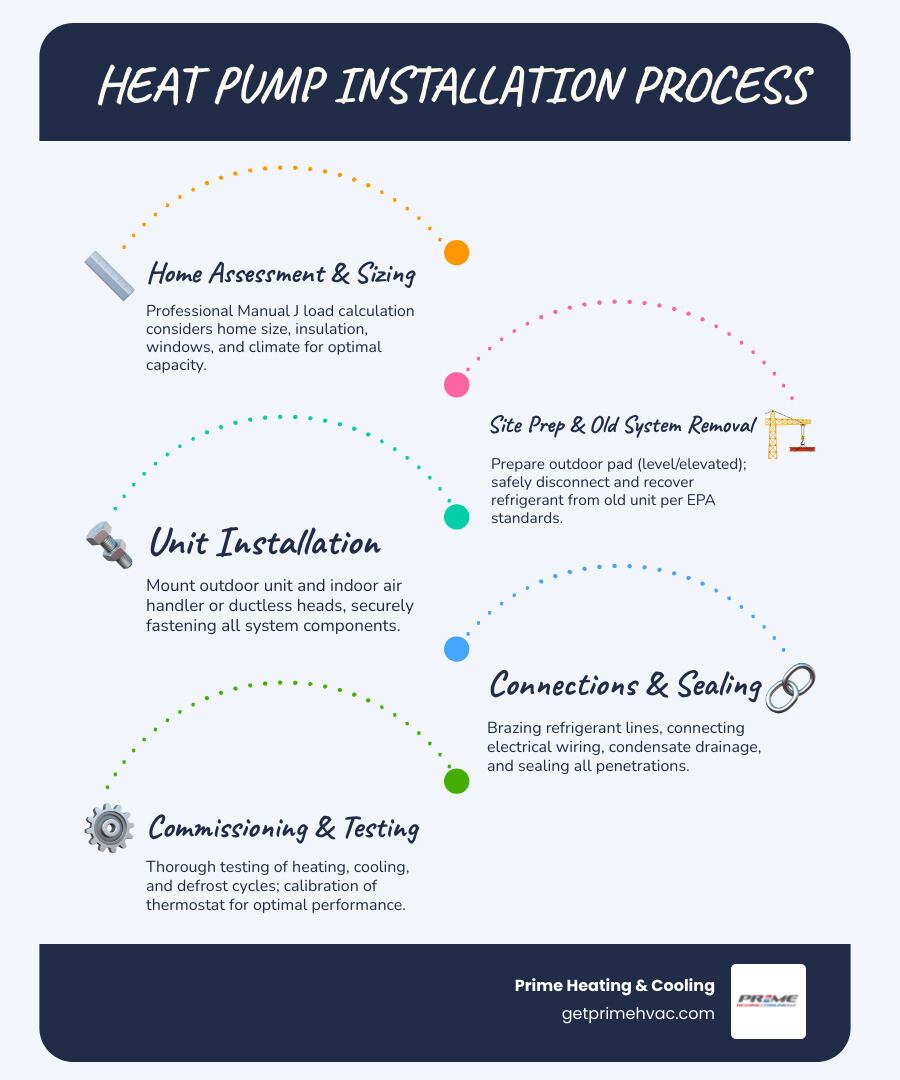
The Professional Heat Pump Installation Process: A Step-by-Step Guide
Once we’ve selected the perfect system, the physical heat pump installation process begins. This is where our skilled technicians turn plans into a perfectly functioning system.
Step 1: Site Preparation and Old System Removal
A quality installation starts with proper site prep.
- Outdoor Unit Location: We select an optimal, level spot for the outdoor unit, often on a new composite or concrete pad. In areas like Rhode Island and Massachusetts, the unit must be liftd (typically 9+ inches) to avoid snow blockage and allow for proper drainage.
- Disconnecting & Refrigerant Recovery: If replacing an old system, we first safely disconnect it. Per EPA standards, it’s illegal to release refrigerant into the atmosphere. Our technicians use specialized equipment to safely recover all refrigerant, protecting the environment.
Step 2: A Quality Heat Pump Installation of Indoor and Outdoor Units
With the site ready, we install the new components.
- Mounting Outdoor Unit: The outdoor unit is securely placed on its prepared pad or bracket, with adequate clearance for airflow and maintenance.
- Installing Indoor Units: For ducted systems, the air handler is installed and carefully connected to your ductwork to prevent leaks. For ductless systems, we mount the indoor heads in your chosen zones, taking care to protect your home’s interior. All components are secured and leveled to ensure quiet operation.
Step 3: Connecting and Sealing the System
This step involves creating the network of lines and wires that power the system.
- Refrigerant Lines: We run insulated copper line sets between the indoor and outdoor units.
- Brazing Connections: Our technicians use brazing (a form of welding) to create permanent, leak-proof connections for the refrigerant lines, preventing costly future leaks.
- Electrical Wiring: We connect all high- and low-voltage wiring between the units and your electrical panel, including a new outdoor service disconnect for safety.
- Condensate Drain & Sealing: We install drain lines to channel away moisture produced during cooling. All wall penetrations for lines are sealed to maintain your home’s thermal envelope.
Step 4: Commissioning and Final Testing
Commissioning is the final, critical phase where we bring the system online and verify its performance.
- System Startup & Refrigerant Check: We start the system and use specialized gauges to ensure the refrigerant charge is precise. An incorrect charge is a common cause of inefficiency and failure.
- Airflow Measurement: We check and adjust airflow to ensure even distribution throughout your home.
- Cycle Testing: We run the system through its full heating, cooling, and defrost cycles to confirm it operates correctly and efficiently.
- Thermostat Calibration: Finally, we calibrate the thermostat and walk you through its operation, including any emergency heat settings. This comprehensive testing is essential for guaranteeing long-term performance.
Why Professional Installation is Non-Negotiable
We’ve said it before, and we’ll say it again: a heat pump is only as good as its installation. This is not a DIY project; the complexities of electrical, refrigerant, and airflow management demand professional expertise.
The Risks of an Incorrect Heat Pump Installation
The statistic that 90% of HVAC systems are installed incorrectly is a stark reminder of the potential pitfalls. An improper installation can lead to:
- High Energy Bills: An inefficient system works harder, driving up utility costs.
- Strange Noises and Vibrations: Loose or improperly mounted components can be noisy.
- Frequent Cycling: An oversized unit constantly turns on and off, wasting energy and accelerating wear.
- Uneven Temperatures: Poor airflow or incorrect sizing results in hot and cold spots.
- Ice Buildup: Excessive ice on the outdoor unit can indicate a refrigerant or airflow problem.
- Reduced Lifespan: All these issues put stress on components, leading to premature breakdowns.
If you notice these signs, contact us for Heating Repair RI. Catching issues early can prevent costly repairs.
The Value of Choosing a Certified Installer
Choosing a certified, experienced professional for your heat pump installation is the best way to safeguard your investment. Look for:
- NATE Certification: Technicians with NATE Certification with Heat Pump Installation Specialty have passed rigorous exams, a gold standard in the industry.
- Other Certifications: Credentials like HVAC Excellence Heat Pump Installer also signify a high level of expertise.
- Manufacturer Training: Our technicians are often trained by leading manufacturers on the specific models we install.
- Knowledge of Local Codes: Professionals are familiar with Rhode Island and Massachusetts building codes and permit requirements, ensuring a safe and compliant installation.
- Warranty Protection: Most manufacturer warranties require professional installation. A DIY job could void your warranty.
When hiring, always ask about certifications. For more guidance, read our Tips for Hiring a Heating Contractor.
Your Heat Pump Installation: Timeline and Costs
- Typical Duration: A standard installation takes four to eight hours, depending on system type and complexity.
- Installation Cost Factors: Costs vary based on the heat pump’s size and type, your home’s existing infrastructure, ductwork needs, and any required electrical upgrades.
- Median Costs:
- A single-zone system (like a mini-split) has a median cost of around $6,600.
- A whole-home installation for a 1,500-2,500 sq. ft. home has a median cost of about $19,500.
- For larger homes (2,500-5,500 sq. ft.), the median cost is around $25,000.
These figures include equipment and labor. For a deeper dive into costs, see our article on Mini Split Math What You’ll Really Pay for Ductless AC Installation.
- Rebates and Incentives: Homeowners in Rhode Island and Massachusetts can significantly offset these costs with federal tax credits (up to 30%) and state-specific rebates. We can help you steer these programs to maximize your savings.
Post-Installation: Your Heat Pump Maintenance Checklist
Your new heat pump is installed, tested, and running beautifully. Now what? Just like a car, your heat pump needs regular care to maintain its peak performance, efficiency, and longevity.
Ongoing Maintenance for a Newly Installed Heat Pump
A little bit of proactive maintenance goes a long way in ensuring your heat pump continues to deliver reliable comfort for years. Here’s what you, the homeowner, can do:
- Clean or Replace Filters Regularly: This is perhaps the simplest yet most crucial task. Dirty filters restrict airflow, reduce efficiency, and can even damage your system. Check your filters monthly and clean or replace them as recommended by the manufacturer, typically every 1-3 months.
- Clear Debris from the Outdoor Unit: Keep the area around your outdoor unit free of leaves, grass clippings, shrubs, and other obstructions. This ensures proper airflow, which is essential for the heat pump to efficiently transfer heat.
- Check for Blockages in the Condensate Drain: Periodically inspect the condensate drain line for clogs. A blocked drain can lead to water backup, potential leaks, and even system shutdown.
- Schedule Professional Tune-Ups: Even with your diligent efforts, your heat pump needs the occasional expert touch. We recommend scheduling professional maintenance twice a year – typically in the spring before cooling season and in the fall before heating season. During these tune-ups, our technicians will:
- Inspect and clean coils.
- Check refrigerant levels and pressure.
- Test electrical connections and components.
- Lubricate moving parts.
- Verify thermostat accuracy.
- Inspect ductwork for leaks.
Regular professional maintenance not only keeps your system running efficiently but can also extend its lifespan significantly. Learn more about the benefits of professional care in our article on Heating Maintenance RI and find How an HVAC Tune-Up Can Extend the Life of Your System.
Maximizing Efficiency and Comfort
Beyond routine maintenance, a few habits can help you get the most out of your heat pump:
- Smart Thermostat Settings: Use the programmable features of your smart thermostat to set schedules that align with your family’s routine. Lowering the temperature slightly when you’re away or asleep can save energy without sacrificing comfort. Avoid drastic temperature changes, as heat pumps work best when maintaining a consistent temperature.
- Understanding Auxiliary/Emergency Heat: Your heat pump may have an auxiliary or emergency heat function (often electric resistance strips) that kicks in during extremely cold weather or when the system needs to quickly raise the temperature. While effective, this is less efficient than the heat pump alone. Understand when and how your system uses it to optimize energy consumption.
- Seasonal Adjustments: Be mindful of seasonal changes. In the spring and fall, a heat pump can efficiently handle mild temperature swings without needing to rely on backup heating. For tips on preparing your system for different seasons, check out Prepare Your HVAC System for Seasonal Changes.
Frequently Asked Questions about Heat Pump Installation
We often hear similar questions from homeowners considering a new heat pump installation. Here are some of the most common ones:
How long does a typical heat pump installation take?
A standard heat pump installation typically takes between 4 to 8 hours. The exact time can vary depending on whether it’s a ducted or ductless system, if existing ductwork needs modification, and other complexities of the job. Factors like the removal of an old system, electrical upgrades, or unfavorable weather can also extend this timeline. Our team works efficiently to minimize disruption and get your new system up and running as quickly as possible.
Can a heat pump be added to my existing HVAC system?
Yes, in many cases. If you have existing ductwork in good condition, a central heat pump can often replace your outdoor air conditioner unit and work in tandem with your indoor furnace, creating a dual-fuel system for maximum efficiency. This setup allows the heat pump to handle most of your heating and cooling needs, with the furnace providing backup during the coldest days. If you don’t have ductwork, ductless mini-split heat pumps are an excellent option to add heating and cooling to specific zones or your entire home. We’ll assess your current setup to determine the best approach.
What are the signs of an incorrectly installed heat pump?
Key warning signs of an improper heat pump installation include unusually high energy bills (despite the promise of efficiency), strange noises like grinding, hissing, or rattling coming from the unit, the system cycling on and off too frequently without maintaining a consistent temperature, uneven heating or cooling throughout your home, and persistent ice buildup on the outdoor coils in mild weather (beyond what a normal defrost cycle would handle). Poor airflow from vents and thermostat settings that don’t match the actual room temperature are also red flags. If you notice any of these issues, it’s crucial to contact a qualified HVAC technician for an inspection.
Conclusion
Choosing a heat pump installation is a fantastic decision for year-round comfort and energy savings in your Rhode Island or Massachusetts home. But as we’ve outlined, the journey from decision to a perfectly functioning system is paved with critical steps. From the initial home assessment and precise Manual J load calculation to selecting the right type of heat pump, and through each meticulous phase of the physical installation and post-installation commissioning, every detail matters.
A professional installation is not just a convenience; it’s an investment in your home’s efficiency, comfort, and the longevity of your new system. The risks of an incorrect installation—ranging from sky-high energy bills to premature system failure—are simply too great to ignore. That’s why choosing a certified, experienced installer who adheres to best practices and understands local codes is non-negotiable.
When installed correctly, your heat pump will provide reliable, efficient heating and cooling, significantly reduce your energy costs, and improve your home’s overall comfort for years to come. For homeowners in Rhode Island, the experienced team at Prime Heating & Cooling ensures every step of this checklist is followed for a flawless installation. We pride ourselves on our meticulous approach, ensuring your heat pump operates at peak performance from day one.
Ready to experience the ultimate in home comfort and efficiency? Contact us for your professional heating installation in RI today!