
Why Space-Constrained Homes Are Turning to Horizontal Solutions
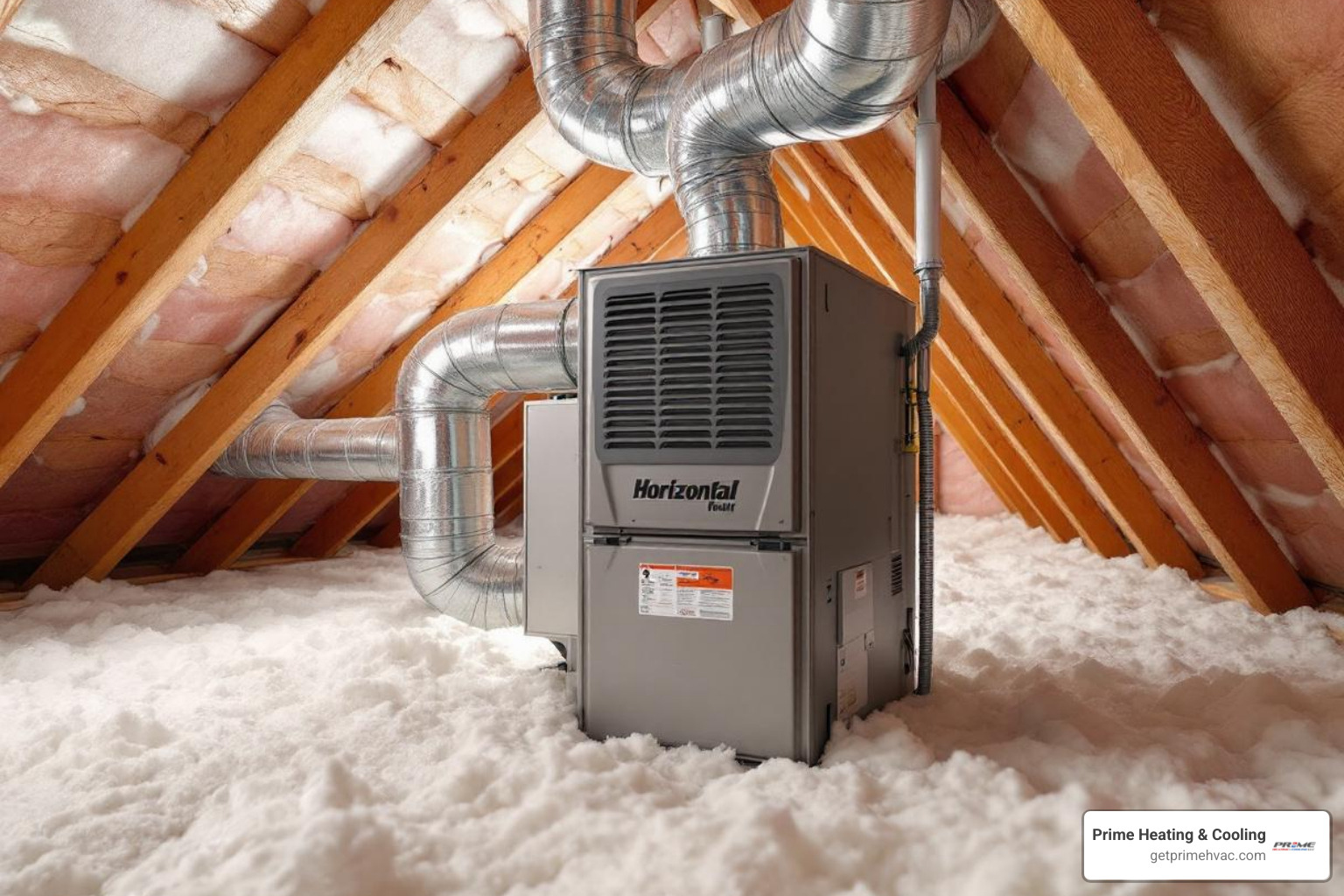
A horizontal attic furnace is a heating system designed to be installed on its side, circulating air in one end and exhausting it out the other. Unlike traditional upright furnaces that require significant vertical clearance, horizontal units fit into tight spaces like attics, crawl spaces, and closets—making them ideal for homes built on slabs, properties without basements, or older structures where retrofitting is needed.
Quick Answer: What You Need to Know
- What it is: A furnace engineered for horizontal installation, pulling air from one side and pushing heated air out the other
- Where it goes: Primarily attics and crawl spaces where vertical height is limited
- Key advantage: Frees up valuable living space while providing consistent heat distribution
- Installation requirement: Must be a furnace specifically rated for horizontal installation or a multi-positional unit
- Professional necessity: Requires proper venting, secondary drain pans, and code-compliant clearances
Many New England homeowners face a common challenge: their home’s layout simply doesn’t accommodate a traditional basement furnace. Maybe you’re dealing with a slab foundation, a finished basement you don’t want to sacrifice, or an older home where the only viable option is the attic. That’s where horizontal furnaces come in—they’re not a workaround, they’re a purpose-built solution.
These units are designed to push air more evenly through ductwork, ensuring consistent temperatures throughout your home. When paired with energy-saving features like variable-speed motors and high AFUE ratings, they can actually reduce energy consumption compared to older, less efficient systems. But installation isn’t as simple as laying a furnace on its side—proper setup requires attention to vibration control, drainage, accessibility, and local building codes.
I’m Tyler Steiner, founder of Prime Heating & Cooling, and over the years I’ve guided countless New England homeowners through the decision of whether a horizontal attic furnace is right for their situation. With hands-on training from the New England Institute of Technology and experience in complex mechanical environments, I’ve seen how proper installation makes all the difference in performance, longevity, and safety.
What Makes a Horizontal Furnace Different?
When we talk about furnaces, we often think of those tall, rectangular units standing upright in a basement or utility closet. However, heating systems is far more diverse, primarily defined by how they’re oriented and how they move air. This is where the furnace orientation, specifically a horizontal flow, truly shines as a specialized solution.
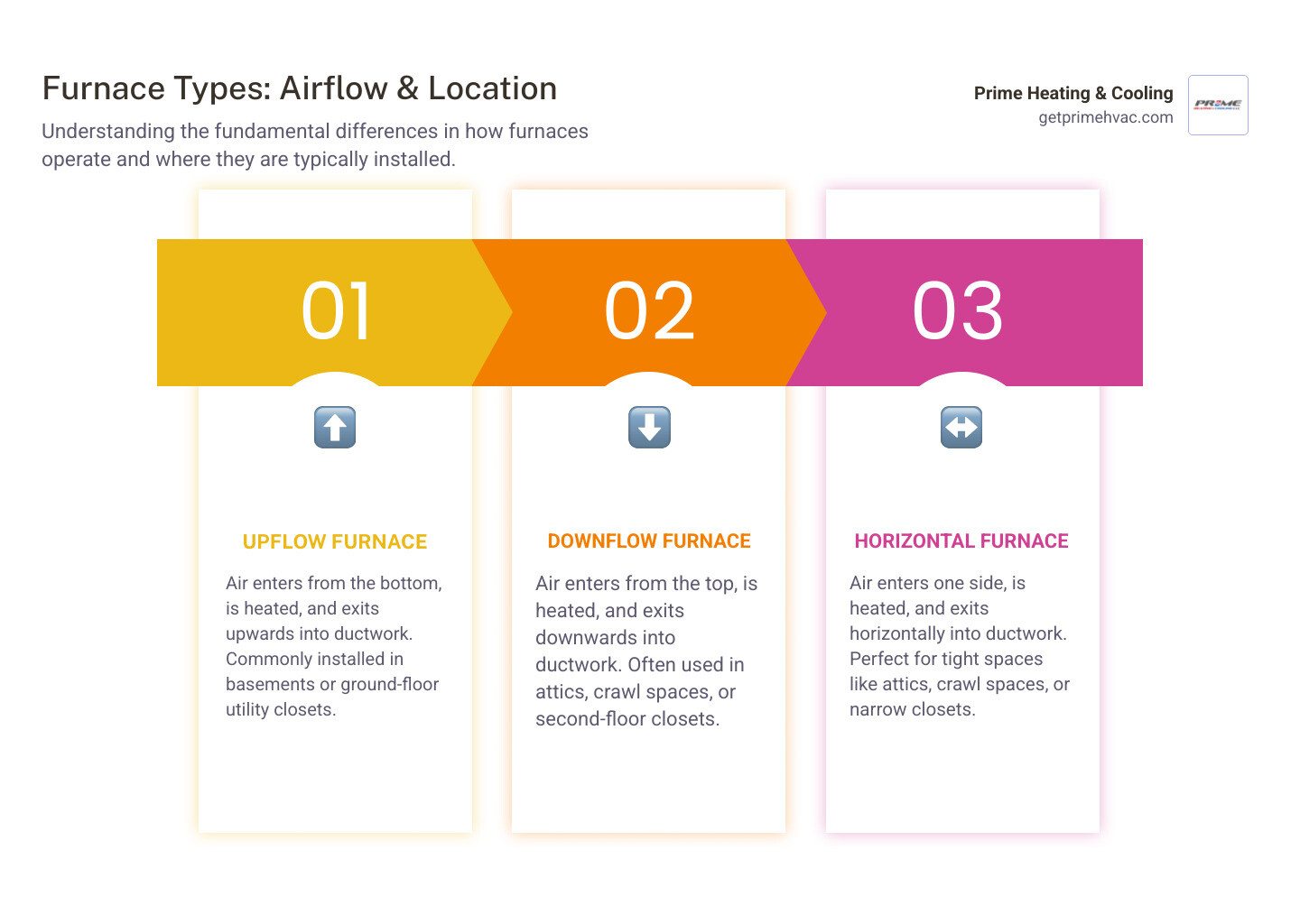
At its core, a furnace’s job is to take in cool air, heat it, and then distribute that warm air throughout your home via ductwork. The “flow” refers to the direction the heated air travels out of the furnace.
How Horizontal Airflow Works
A horizontal flow furnace is designed to be positioned on its side. It draws in return air from one end and discharges heated air out the other, circulating it horizontally into your home’s ductwork. Imagine a box lying on its longest side—air goes in one short end and out the other. This side-mounted orientation is critical for fitting into spaces with limited vertical clearance.
The blower motor within the unit is responsible for this powerful horizontal push. Depending on your home’s layout and ductwork, the unit can often be configured for either left-to-right or right-to-left airflow. This flexibility is a huge advantage when navigating the tight confines of an attic or crawl space. Once the heated air leaves the furnace, it’s efficiently distributed through the duct system, ensuring warmth reaches every corner of your home. This design means that horizontal furnaces are especially adept at pushing air more evenly through ductwork, leading to consistent temperatures throughout the home.
For more on how these systems work, you can explore concepts like Horizontal Flow in HVAC glossaries. Our team also provides comprehensive Heating Services for all types of furnace systems.
Vertical vs. Horizontal: The Core Differences
The main distinction between furnace types boils down to their intended installation and airflow paths:
| Furnace Type | Key Use Case | Airflow Path | Typical Location |
| :—————– | :————————————————————————————————————————————————————————————————————————————————————————————————————————————————————————————————————————————————————————————————————————————————————————————————————————————————————————————————————————————————————————————————————————————————————————————————————————————————————————————————————————————————————————————————————————————————————————————————————————————————————————————————————————————————————————————————————————————————————————————————————————————————————————————————————————————————————————————————————————————————————————————————————————————————————————————————————————————————————————————————————————————————————————————————————————————————————————————————————————————————————————————————————————————————————————————————————————————————————————————————————————————————————————————————————————————————————————————————————————————————————————————————————————————————————————————————————————————————————————————————————————————————————————————————————————————————————————————————————————————————————————————————————————————————————————————————————————————————————————————————————————————————————————————————————————————————————————————————————————————————————————————————————————————————————————————————————————————————————————————————————————————————————————————————————————————————————————————————————————————————————————————————————————————————————————————————————————————————————————————————————————————————————————————————————————————————————————————————————————————————————————————————————————————————————————————————————————————————————————————————————————————————————————————————————————————————————————————————————————————————————————————————————————————————————————————————————————————————————————————————————————————————————————————————————————————————————————————————————————————————————————————————————————————————————————————————————————————————————————————————————————————————————————————————————————————————————————————————————————————————————————————————————————————————————————————————————————————————————————————————————————————————————————————————————————————————————————————————————————————————————————————————————————————————————————————————————————————————————————————————————————————————————————————————————————————————————————————————————————————————————————————————————————————————————————————————————————————————————————————————————————————————————————————————————————————————————————————————————————————————————————————————————————————————————————————————————————————————————————————————————————————————————————————————————————————————————————————————————————————————————————————————————————————————————————————————————————————————————————————————————————————————————————————————————————————————————————————————————————————————————————————————————————————————————————————————————————————————————————————————————————————————————————————————————————————————————————————————————————————————————————————————————————————————————————————————————————————————————————————————————————————————————————————————————————————————————————————————————————————————————————————————————————————————————————————————————————————————————————————————————————————————————————————————————————————————————————————————————————————————————————————————————————————————————————————————————————————————————————————————————————————————————————————————————————————————————————————————————————————————————————————————————————————————————————————————————————————————————————————————————————————————————————————————————————————————————————————————————————————————————————————————————————————————————————————————————————————————————————————————————————————————————————————————————————————————————————————————————————————————————————————————————————————————————————————————————————————————————————————————————————————————————————————————————————————————————————————————————————————————————————————————————————————————————————————————————————————————————————————————————————————————————————————————————————————————————————————————————————————————————————————————————————————————————————————————————————————————————————————————————————————————————————————————————————————————————————————————————————————————————————————————————————————————————————————————————————————————————————————————————————————————————————————————————————————————————————————————————————————————————————————————————————————————————————————————————————————————————————————————————————————————————————————————————————————————————————————————————————————————————————————————————————————————————————————————————————————————————————————————————————————————————————————————————————————————————————————————————————————————————————————————————————————————————————————————————————————————————————————————————————————————————————————————————————————————————————————————————————————————————————————————————————————————————————————————————————————————————————————————————————————————————————————————————————————————————————————————————————————————————————————————————————————————————————————————————————————————————————————————————————————————————————————————————————————————————————————————————————————————————————————————————————————————————————————————————————————————————————————————————————————————————————————————————————————————————————————————————————————————————————————————————————————————————————————————————————————————————————————————————————————————————————————————————————————————————————————————————————————————————————————————————————————————————————————————————————————————————————————————————————————————————————————————————————————————————————————————————————————————————————————————————————————————————————————————————————————————————————————————————————————————————————————————————————————————————————————————————————————————————————————————————————————————————————————————————————————————————————————————————————————————————————————————————————————————————————————————————————————————————————————————————————————————————————————————————————————————————————————————————————————————————————————————————————————————————————————————————————————————————————————————————————————————————————————————————————————————————————————————————————————————————————————————————————————————————————————————————————————————————————————————————————————————————————————————————————————————————————————————————————————————————————————————————————————————————————————————————————————————————————————————————————————————————————————————————————————————————————————————————————————————————————————————————————————————————————————————————————————————————————————————————————————————————————————————————————————————————————————————————————————————————————————————————————————————————————————————————————————————————————————————————————————————————————————————————————————————————————————————————————————————————————————————————————————————————————————————————————————————————————————————————————————————————————————————————————————————————————————————————————————————————————————————————————————————————————————————————————————————————————————————————————————————————————————————————————————————————————————————————————————————————————————————————————————————————————————————————————————————————————————————————————————————————————————————————————————————————————————————————————————————————————————————————————————————————————————————————————————————————————————————————————————————————————————————————————————————————————————————————————————————————————————————————————————————————————————————————————————————————————————————————————————————————————————————————————————————————————————————————————————————————————————————————————————————————————————————————————————————————————————————————————————————————————————————————————————————————————————————————————————————————————————————————————————————————————————————————————————————————————————————————————————————————————————————————————————————————————————————————————————————————————————————————————————————————————————————————————————————————————————————————————————————————————————————————————————————————————————————————————————————————————————————————————————————————————————————————————————————————————————————————————————————————————————————————————————————————————————————————————————————————————————————————————————————————————————————————————————————————————————————————————————————————————————————————————————————————————————————————————————————————————————————————————————————————————————————————————————————————————————————————————————————————————————————————————————————————————————————————————————————————————————————————————————————————————————————————————————————————————————————————————————————————————————————————————————————————————————————————————————————————————————————————————————————————————————————————————————————————————————————————————————————————————————————————————————————————————————————————————————————————————————————————————————————————————————————————————————————————————————————————————————————————————————————————————————————————————————————————————————————————————————————————————————————————————————————————————————————————————————————————————————————————————————————————————————————————————————————————————————————————————————————————————————————————————————————————————————————————————————————————————————————————————————————————————————————————————————————————————————————————————————————————————————————————————————————————————————————————————————————————————————————————————————————————————————————————————————————————————————————————————————————————————————————————————————————————————————————————————————————————————————————————————————————————————————————————————————————————————————————————————————————————————————————————————————————————————————————————————————————————————————————————————————————————————————————————————————————————————————————————————————————————————————————————————————————————————————————————————————————————————————————————————————————————————————————————————————————————————————————————————————————————————————————————————————————————————————————————————————————————————————————————————————————————————————————————————————————————————————————————————————————————————————————————————————————————————————————————————————————————————————————————————————————————————————————————————————————————————————————————————————————————————————————————————————————————————————————————————————————————————————————————————————————————————————————————————————————————————————————————————————————————————————————————————————————————————————————————————————————————————————————————————————————————————————————————————————————————————————————————————————————————————————————————————————————————————————————————————————————————————————————————————————————————————————————————————————————————————————————————————————————————————————————————————————————————————————————————————————————————————————————————————————————————————————————————————————————————————————————————————————————————————————————————————————————————————————————————————————————————————————————————————————————————————————————————————————————————————————————————————————————————————————————————————————————————————————————————————————————————————————————————————————————————————————————————————————————————————————————————————————————————————————————————————————————————————————————————————————————————————————————————————————————————————————————————————————————————————————————————————————————————————————————————————————————————————————————————————————————————————————————————————————————————————————————————————————————————————————————————————————————————————————————————————————————————————————————————————————————————————————————————————————————————————————————————————————————————————————————————————————————————————————————————————————————————————————————————————————————————————————————————————————————————————————————————————————————————————————————————————————————————————————————————————————————————————————————————————————————————————————————————————————————————————————————————————————————————————————————————————————————————————————————————————————————————————————————————————————————————————————————————————————————————————————————————————————————————————————————————————————————————————————————————————————————————————————————————————————————————————————————————————————————————————————————————————————————————————————————————————————————————————————————————————————————————————————————————————————————————————————————————————————————————————————————————————————————————————————————————————————————————————————————————————————————————————————————————————————————————————————————————————————————————————————————————————————————————————————————————————————————————————————————————————————————————————————————————————————————————————————————————————————————————————————————————————————————————————————————————————————————————————————————————————————————————————————————————————————————————————————————————————————————————————————————————————————————————————————————————————————————————————————————————————————————————————————————————————————————————————————————————————————————————————————————————————————————————————————————————————————————————————————————————————————————————————————————————————————————————————————————————————————————————————————————————————————————————————————————————————————————————————————————————————————————————————————————————————————————————————————————————————————————————————————————————————————————————————————————————————————————————————————————————————————————————————————————————————————————————————————————————————————————————-## The Pros and Cons of a Horizontal Attic Furnace Installation
Choosing the right furnace for your Massachusetts or Rhode Island home involves weighing the good with the challenging. A horizontal attic furnace can be an excellent solution for specific home layouts, but it’s important to understand the full picture before installation.
Advantages of an Attic Installation
One of the most compelling reasons homeowners in our service areas like Smithfield, Johnston, and Smithfield, RI, choose a horizontal attic furnace is the significant space it saves. By moving the furnace out of the main living area or a utility closet, you reclaim valuable square footage. This is particularly beneficial for homes built on slab foundations or those without basements, where traditional furnace placement isn’t an option.
Beyond space, horizontal flow furnaces are often quieter than their vertical counterparts. This is a noticeable benefit when the unit is tucked away in an attic, away from daily activities. Modern units, especially when paired with features like variable speed motors and compatible thermostats, also contribute to more even heat distribution throughout the home. This translates to fewer cold spots and greater overall comfort, a true blessing during our chilly New England winters. We believe in providing Energy Efficient Heating and Cooling Systems that improve your comfort without breaking the bank.
Potential Disadvantages and Challenges
While the benefits are clear, installing a furnace in an attic does come with its own set of considerations.
- Accessibility for Repairs: Attics aren’t always the easiest places to reach, especially for larger units. This can make routine maintenance and unexpected repairs more challenging and potentially more time-consuming for technicians, impacting the ease of Heating Repair RI.
- Potential for Water Damage: Any HVAC unit dealing with condensation has the potential for leaks. In an attic, a leak can go unnoticed for some time, leading to significant water damage to ceilings and walls below. This risk necessitates robust secondary drain pan systems and proactive monitoring.
- Condensate Drain Issues: Condensate lines can become clogged or freeze in unconditioned attic spaces during colder months if not properly insulated or routed, leading to system shutdowns or water overflow.
- Extreme Attic Temperatures: Attics in Rhode Island and Massachusetts can experience extreme temperature swings, from scorching hot in summer to freezing cold in winter. These temperature extremes can affect the furnace’s efficiency and lifespan if the unit and associated ductwork are not properly insulated.
- Noise and Vibration Transfer: While horizontal furnaces are generally quieter, an improperly installed unit can still transmit noise and vibration through the home’s structure. This is a common concern we hear, and it’s why proper installation techniques are paramount. We’ll discuss mitigation strategies shortly.
Key Installation and Design Considerations
The success and longevity of a horizontal attic furnace installation hinge almost entirely on professional expertise. This isn’t a DIY project. Proper installation ensures not only optimal performance but also adherence to safety protocols and local building codes, protecting your home and family. For us, the importance of professional HVAC installation cannot be overstated, as detailed in The Importance of Professional HVAC Installation and Maintenance Services.
Safety, Codes, and Clearances
Ensuring safety and compliance is our top priority. When installing a horizontal attic furnace in your Rhode Island or Massachusetts home, we carefully adhere to:
- Building Code Compliance: In most areas, a permit is required for furnace installation to ensure it meets local building codes and safety regulations. We handle these applications as part of our service.
- Manufacturer Specifications: Every furnace has specific requirements for installation, including clearances from combustible materials. For instance, horizontal furnace vent clearance typically ranges from 6 to 12 inches from walls or obstructions, but this can vary by model.
- Service Clearance: Adequate space must be left around the unit for future maintenance and repairs. No one wants a technician trying to fix a furnace while contorting themselves like a pretzel!
- Venting Requirements: Proper venting is crucial for safe operation, especially for gas furnaces. This includes correct pipe sizing, material, slope, and termination points to safely exhaust combustion byproducts. Depending on the furnace type, horizontal venting may be possible.
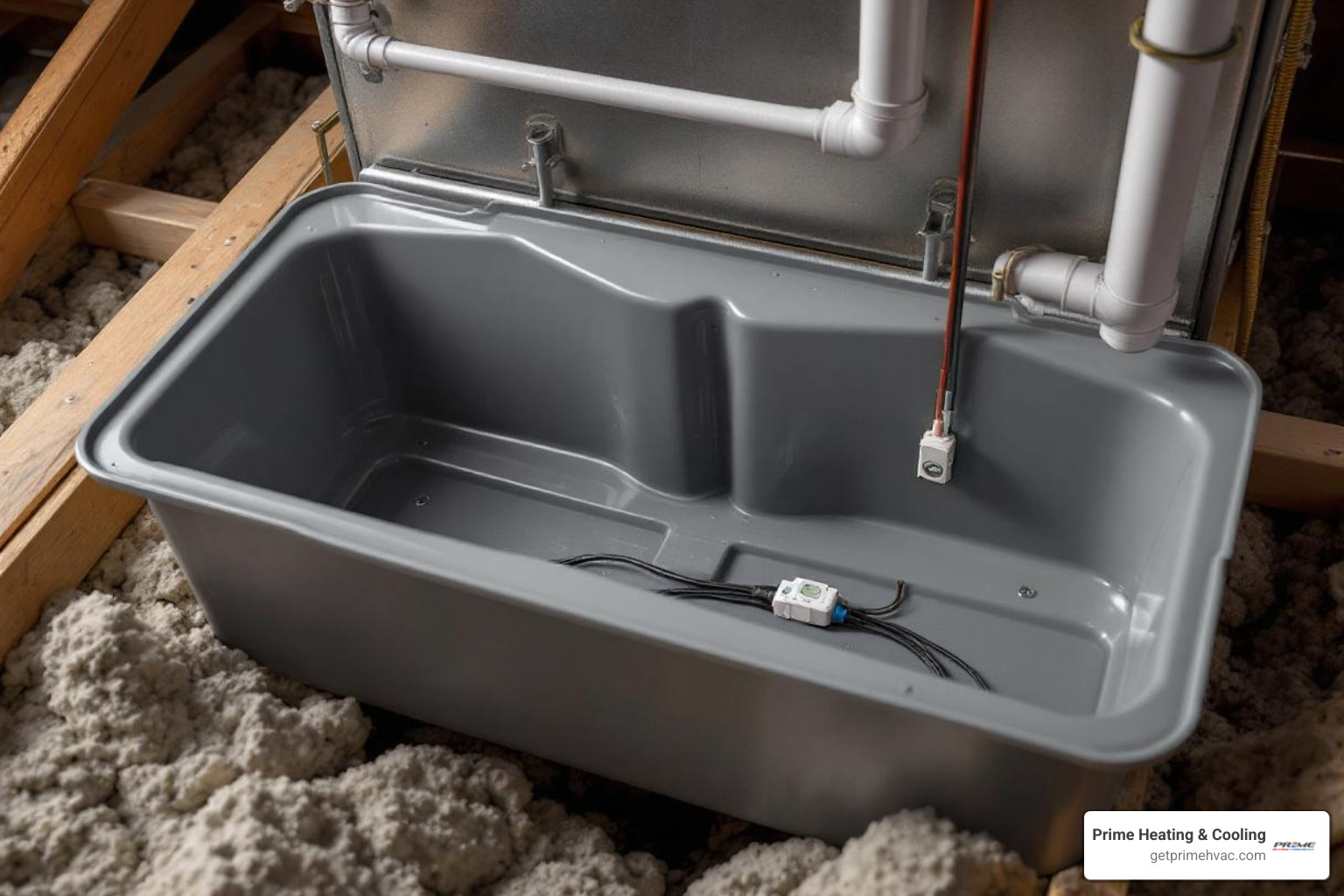
- Secondary Drain Pan: This is non-negotiable for attic installations. A secondary drain pan, positioned directly beneath the furnace, acts as a backup in case the primary condensate drain line fails.
- Float Switches: These small, yet mighty, devices are installed in the secondary drain pan (or sometimes the primary line) and will automatically shut off the furnace if water is detected. This prevents potential water damage to your home.
- Gas Line and Electrical Safety: All gas and electrical connections must be installed by licensed professionals according to strict safety codes to prevent leaks, fires, or electrical hazards.
Managing Noise, Vibration, and Airflow
Nobody wants their heating system to sound like a freight train rumbling through their attic. We employ several strategies to minimize noise and vibration:
- Vibration Dampening Pads: Placing specialized plastic or rubber pads beneath the furnace can significantly absorb vibrations before they transfer to the home’s structure.
- Suspending the Unit: In some cases, suspending the furnace from the rafters using vibration-isolating hangers can be more effective than resting it directly on the attic floor. This creates a buffer that further reduces noise transmission.
- Ductwork Design: The design and installation of the ductwork itself play a huge role. Properly sized and sealed ducts, with appropriate turns and transitions, reduce air turbulence and associated noise.
- Register Placement Impact: In northern climates like ours, ceiling registers can sometimes lead to uneven heating, with “cold feet and a hot head” as warm air rises. Our experts carefully plan register placement to ensure optimal heat distribution and comfort, taking into account your home’s unique layout and insulation.
- Ensuring Consistent Temperatures: A well-designed duct system, combined with a properly sized horizontal furnace, is key to achieving consistent temperatures throughout your home. This means less wasted energy and a more comfortable living environment. You can even see how a Horizontal Furnace Install in Attic GM9C80 – YouTube is done.
Key Considerations for a Horizontal Attic Furnace
Before we even think about bringing a horizontal attic furnace into your home, we assess several critical factors:
- Structural Support: Can your attic safely bear the weight of the furnace and its associated equipment? We ensure the joists and framing are robust enough or reinforce them as needed.
- Proper Insulation: The furnace and all ductwork in the attic must be thoroughly insulated to protect them from extreme temperatures and prevent energy loss. This is especially important for maintaining efficiency in our changing New England climate.
- Access Walkway: A safe, stable walkway from the attic access point to the furnace location is essential for technicians to perform maintenance and repairs.
- Service Platform: A sturdy platform beneath and around the furnace provides a safe working area for our team.
- Adequate Lighting: Good lighting in the attic makes servicing the unit much safer and more efficient.
These considerations are all part of our comprehensive approach to Heating Installation RI and MA.
Performance, Maintenance, and Costs
Understanding the long-term performance, maintenance requirements, and associated costs is crucial when considering a horizontal attic furnace. It’s not just about the initial purchase; it’s about the entire lifecycle of the system. For more detailed insights, you can consult resources like the Horizontal Furnace Guide | Carrier.
Energy Efficiency and Features
Modern horizontal furnaces are designed with energy efficiency in mind. We often recommend:
- AFUE Ratings: The Annual Fuel Utilization Efficiency (AFUE) rating indicates how efficiently a furnace converts fuel to heat. Higher AFUE ratings (e.g., 90% and above) mean more heat for your dollar. Many high-efficiency models boast AFUE ratings of 97% or even 98.5%.
- ENERGY STAR® Models: These furnaces meet strict energy efficiency guidelines set by the EPA, offering premium energy savings. We always encourage our customers to consider ENERGY STAR® certified options for their homes in places like Smithfield and Smithfield.
- Variable-Speed Motors: Unlike single-speed motors that are either on or off, variable-speed motors can adjust their output to match your home’s heating needs precisely. This leads to quieter operation, more consistent temperatures, and significant energy savings.
- Two-Stage Operation: Two-stage furnaces have a high and low heat setting. They typically run on the lower setting, only kicking into high when temperatures drop significantly, which further improves comfort and efficiency.
The impact of extreme attic temperatures on efficiency is a valid concern. If the attic is not well-insulated, the furnace itself and the ductwork can lose heat (or gain heat in summer), forcing the system to work harder. Proper insulation around the unit and ducts is key to maximizing efficiency. Embracing these features can significantly reduce your utility bills, as highlighted in our Energy Saving Tips for Your Air Conditioner: Reduce Costs and Consumption.
Maintenance Challenges with a Horizontal Attic Furnace
While horizontal units are designed for easier access than some older systems, their attic location still presents unique maintenance considerations:
- Filter Replacement Access: Regularly changing your furnace filter is vital for air quality and efficiency. We ensure the filter access is easily reachable from the service platform.
- Inspecting Drain Lines: Condensate drain lines need to be checked periodically for clogs, leaks, or proper slope. This is especially important in attics to prevent water damage.
- Annual Tune-ups: Just like any furnace, a horizontal attic furnace benefits greatly from annual professional tune-ups. Our technicians will inspect all components, clean the unit, check for wear and tear, and ensure everything is running safely and efficiently. This proactive approach can extend the lifespan of your furnace, which, when properly maintained, can last 15-20 years.
- Professional Service Necessity: Due to the complexities of attic installations and the safety aspects involved, professional service is not just recommended, it’s essential. Our team is equipped and trained for these specific challenges. For more insights on this, refer to our guide on HVAC Maintenance Every Homeowner Should Know.
Comparing Installation and Maintenance Costs
When evaluating costs, we consider both the upfront investment and the long-term expenses:
- Upfront Installation Cost vs. Vertical Units: A horizontal attic furnace installation can sometimes be more complex than a straightforward basement installation due to the need for structural modifications, improved access, and specialized venting. This can lead to a slightly higher initial labor cost. While the furnace unit itself might have a similar price tag to its vertical counterpart, some higher-efficiency horizontal models might be a bit more expensive.
- Labor Complexity: The confined nature of attic spaces, the need for safe working platforms, and careful routing of ductwork and utility lines contribute to the labor complexity. This is why professional installation is critical; an improperly installed system can lead to 10-30% higher utility bills and a shorter lifespan.
- Long-Term Repair Costs: While proper installation and regular maintenance mitigate many risks, attic units can sometimes incur slightly higher repair costs if access is extremely difficult or if specialized equipment is needed. However, these are often offset by the energy savings of a new, efficient system and the comfort of reclaimed living space.
Choosing the right heating contractor is paramount for this investment. Our article on Tips for Hiring a Heating Contractor can provide valuable guidance.
Frequently Asked Questions about Horizontal Attic Furnaces
We often hear similar questions from homeowners in Smithfield, Johnston, and other communities across Rhode Island and Massachusetts. Let’s address some of the most common ones.
Can any furnace be installed horizontally?
No, not all furnaces are designed for horizontal installation. It’s crucial to select a furnace that is specifically rated as “horizontal” or “multi-positional” (also known as “multipoise”). These units are engineered with components and drainage systems that can function correctly when laid on their side. Attempting to install a vertical-only furnace horizontally is unsafe, will void the manufacturer’s warranty, and can lead to significant operational problems and safety hazards. Always check the manufacturer’s specifications.
How do you prevent water damage from an attic furnace?
Preventing water damage is a critical concern for any attic furnace installation. We implement several layers of protection:
- Secondary Drain Pan: A large, shallow pan is installed directly beneath the furnace and evaporator coil. This pan is designed to catch any overflow from the primary condensate drain line.
- Float Switches: These essential safety devices are installed within the secondary drain pan (and often in the primary drain line too). If water accumulates in the pan, the float switch will detect it and automatically shut down the furnace, preventing further water accumulation and potential damage to your home’s ceiling and structure.
- Properly Sloped and Insulated Condensate Lines: Both the primary and secondary drain lines must be correctly sloped to ensure gravity assists water flow away from the unit. In unconditioned attics, these lines must also be insulated to prevent freezing during cold Rhode Island winters, which could cause blockages and backups.
- Regular Maintenance: During our annual tune-ups, we always inspect and clear condensate lines to prevent clogs and ensure they are functioning correctly.
Is a horizontal attic furnace less efficient?
Not inherently. A modern, high-efficiency horizontal attic furnace can be just as efficient as its vertical counterpart, often boasting AFUE ratings of 90% or higher, with some models reaching 97-98.5%. Many are ENERGY STAR® certified.
However, the location of the furnace in an attic can impact its overall efficiency if not properly addressed. Attics in New England experience significant temperature fluctuations. If the furnace unit itself and, more importantly, the ductwork running through the attic are not adequately sealed and insulated, heat can be lost from the ducts in winter or gained in summer. This forces the system to work harder, consuming more energy. With proper insulation of the unit and all ductwork, a horizontal attic furnace can be an incredibly energy-efficient heating solution for your home.
Conclusion
Choosing a horizontal attic furnace for your home in Rhode Island or Massachusetts can be an incredibly smart decision, especially when facing space constraints or seeking to maximize living areas. Its ability to fit into tight spaces, offer quieter operation, and provide even heat distribution makes it an attractive option for many homeowners.
However, as we’ve explored, the success of such an installation hinges on meticulous planning and professional execution. From adhering to strict safety codes and managing potential water damage with secondary drain pans and float switches, to mitigating noise and vibration, every detail matters. The energy efficiency benefits of modern units, combined with the convenience of reclaiming living space, make a compelling case.
At Prime Heating & Cooling, we understand the unique challenges and opportunities that come with attic furnace installations in our region. Our certified technicians bring over 20 years of experience, ensuring your system is installed safely, efficiently, and to the highest standards. We’re here to guide you through every step, from selecting the right multi-positional furnace to ensuring proper structural support and insulation.
For expert advice and professional Furnace Installation & Repair Services, trust our certified technicians to get the job done right. We’re committed to providing reliable, energy-efficient heating solutions that keep your home comfortable, no matter how tricky the space.


