

Why Your Business Needs an AC Maintenance Agreement
An AC maintenance contract is a service agreement with an HVAC company for scheduled preventative maintenance, priority service, and discounted repairs for your commercial cooling system. These contracts include regular inspections, cleaning, and tune-ups to keep your system running efficiently.
Key Components of an AC Maintenance Contract:
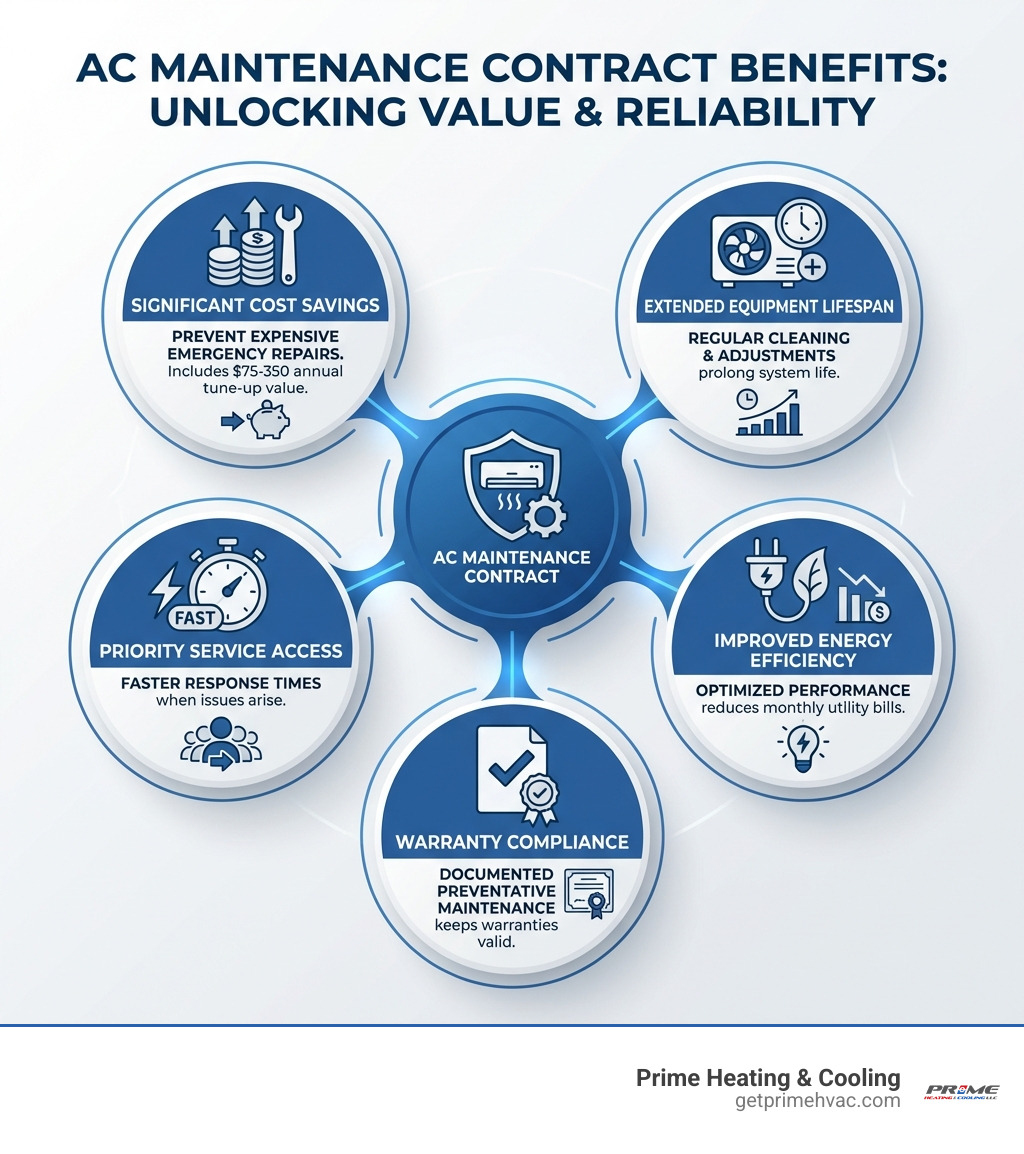
- Scheduled Maintenance Visits – Usually 1-2 comprehensive inspections per year
- Priority Service – Faster response times when issues arise
- Preventative Care – Filter changes, coil cleaning, refrigerant checks, electrical inspections
- Repair Discounts – Typically 10-20% off parts and labor
- Warranty Compliance – Proof of regular maintenance to keep warranties valid
For business owners in New England, a commercial AC system impacts productivity, customer satisfaction, and your bottom line. While residential contracts average $150-$500 annually, commercial agreements vary by system size. Regular maintenance prevents small issues from becoming expensive breakdowns, saving money and preventing downtime.
As the founder of Prime Heating & Cooling, I’ve seen how proactive AC maintenance contracts prevent costly mid-summer failures. With a background from the New England Institute of Technology and experience in complex mechanical environments, I founded Prime to lift commercial HVAC care in Rhode Island and Massachusetts.
The Anatomy of a Commercial AC Maintenance Contract
An AC maintenance contract is a health plan for your HVAC equipment, ensuring it runs smoothly. For businesses in Rhode Island and Massachusetts, a robust maintenance agreement is a necessity. At Prime Heating & Cooling, we know every business has unique HVAC needs, so our contracts are not one-size-fits-all. They offer various service levels or tiers to suit different budgets, from basic inspections to premium plans with extensive coverage and priority emergency service.
Investing in a contract means you get regularly scheduled, thorough examinations from our skilled technicians. Many contracts also include emergency service, ensuring a quick response to unexpected breakdowns to keep your business comfortable and operational.
To dive deeper into what these agreements entail, explore our Your Complete Guide to HVAC Maintenance Agreements. Understanding the components can help you make an informed decision. And if you’re wondering how often these crucial check-ups should happen, our guide on How Often Should You Schedule HVAC Maintenance? provides valuable insights. The U.S. Department of Energy also emphasizes that regular maintenance is essential for efficient AC operation.

What to Expect from Your AC Maintenance Contract
Our AC maintenance contracts are designed to cover all the essential tasks that keep your system running efficiently. While specifics can vary between basic and premium tiers, here’s a general overview of what you can expect:
| Feature | Basic Contract Tier | Premium Contract Tier |
|---|---|---|
| Scheduled Visits | 1-2 preventative maintenance visits per year | 2+ preventative maintenance visits per year |
| Emergency Calls | Standard response times; additional charges may apply | Priority service; waived overtime charges; unlimited callouts (conditions apply) |
| Repair Discounts | 10% off parts and labor | 15-20% off parts and labor |
| Parts Coverage | Limited to specific minor components | More extensive coverage on select parts |
| Reporting | Basic service report | Detailed inspection report with recommendations |
| Transferability | May be transferable to new owner | Often transferable to new owner or location |
Major visit services typically involve a comprehensive inspection and tune-up before the cooling season. This might include:
- Filter Cleaning/Replacement: For clean air and system efficiency.
- Coil Cleaning: Cleaning evaporator and condenser coils for optimal heat transfer.
- Refrigerant Level Check: Verifying charge and checking for leaks.
- Electrical Inspection: Tightening connections and inspecting safety controls.
- Condensate Drain Clearing: Preventing water damage and mold.
- Blower & Fan Checks: Inspecting motors, blades, and belts.
- Thermostat Calibration: Ensuring accurate temperature control.
- Overall System Performance Check: A full operational assessment.
For businesses requiring heating and cooling, our plans often include two maintenance visits annually—one before the heating season and another before the cooling season. This bi-annual approach ensures your system is prepared for the changing seasons in areas like Smithfield, Warwick, or Providence.
Minor visit services are shorter, focused check-ups that might involve:
- Cleaning of filters and AC drain tray.
- Checking electrical components and thermostat operation.
- Cleaning of grilles/diffusers.
- Placing drain flow tablets.
- Checking overall AC operation.
Choosing between proactive preventative maintenance and reactive repairs is a critical business decision. We firmly believe that Preventive Maintenance vs. Reactive Repair: Which is Best for Your AC? clearly points to the long-term benefits of a structured maintenance plan.
Common Exclusions: What Isn’t Covered
While our AC maintenance contracts are extensive, it’s important to understand what typically falls outside the scope of a standard agreement. We believe in transparency with our clients in Lincoln, Johnston, and other service areas.
Here’s a list of common services usually excluded from an AC maintenance contract:
- Major Component Replacement: Costs for replacing compressors, coils, or entire units are quoted separately.
- Ductwork Issues: Structural modifications, replacement, or specialized cleaning of air ducts.
- Damage from Neglect or Misuse: Repairs for issues caused by improper care or misuse are not covered.
- System Replacement: The cost of a new AC system is not part of a maintenance contract.
- After-Hours Repairs (unless specified): Standard contracts usually charge extra for services outside business hours.
- Special Access: Costs for scaffolding or lifts to reach units.
- Cosmetic and Ancillary Issues: Damage to the unit’s cabinet or problems with humidifiers, air cleaners, or smart thermostats not part of the primary unit.
- External Problems: Issues with plumbing, building-wide electrical systems, or damage from natural disasters, power surges, or vandalism.
It’s always best to review your specific contract details thoroughly, and we’re always here to answer any questions you may have about what is and isn’t covered.
The Tangible Business Benefits of Proactive AC Maintenance
For businesses across Rhode Island and Massachusetts, a proactive AC maintenance contract offers tangible benefits that directly impact your operations and bottom line.
A primary benefit is reduced energy consumption and lower utility bills. A well-maintained AC unit runs more efficiently, using less energy and saving you money. Regular maintenance also extends your equipment’s lifespan. As a significant investment, your commercial AC system benefits from routine care like cleaning and calibration, which delays costly replacements. Our technicians address minor wear and tear before it causes major failures. Finally, a contract leads to fewer emergency repairs. Our preventative service catches small issues before they become major breakdowns that disrupt your business, saving you money and stress. For more on how regular upkeep can benefit your business, check out Benefits of Regular HVAC Maintenance for Businesses, and find 5 Tips to Make Your AC Last Longer.
Enhancing Your Commercial Space
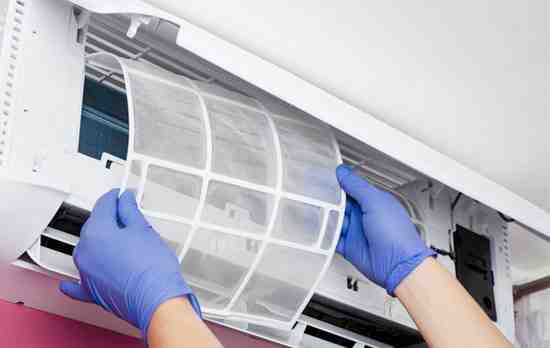
Beyond financial savings, an AC maintenance contract improves your commercial space. You’ll see better indoor air quality as our technicians clean filters, coils, and drain pans to reduce dust, mold, and allergens, creating a healthier environment. Our guide on AC Filter Replacement: The Key to Clean and Healthy Indoor Air highlights this critical task.
Maintenance also ensures consistent temperature control by calibrating thermostats and ensuring all components work together to eliminate hot and cold spots. Finally, a well-maintained system means reduced noise, as we address issues like worn belts or dirty fans that cause rattles and hums, leading to a quieter, more pleasant environment.
Financial Advantages and Peace of Mind
The financial benefits of an AC maintenance contract are significant. You gain budget predictability with planned maintenance costs instead of sudden, large repair bills. You also receive priority service, moving to the front of the line for service calls to minimize downtime, with some plans waiving overtime fees.
Contract holders often get discounts on repairs, typically 10-20% off parts and labor. Crucially, a contract ensures warranty compliance, as manufacturers require proof of regular maintenance to keep warranties valid. All these benefits provide invaluable peace of mind, allowing you to focus on running your business. To learn more about reducing costs, check out our Energy Saving Tips for Your Air Conditioner: Reduce Costs and Consumption.
Evaluating Providers and Contract Costs
Choosing the right partner for your AC maintenance contract is as important as getting one. For businesses in Franklin, Coventry, and other areas we serve, finding a reputable HVAC company is key.
When evaluating providers, check their reputation through reviews and community presence; Prime Heating & Cooling has over 20 years of experience. Verify their licensing and insurance to protect your business from liability. Inquire about technician certification, looking for N.A.T.E. (North American Technician Excellence) certified professionals, which our team includes.
Finally, consider their years of experience and service approach. Quality and coverage vary, so a reputable company will offer customizable contracts. Be wary of low bids that may indicate cut corners. For more insights, refer to The Importance of Professional HVAC Installation and Maintenance Services.
Understanding the Cost of an AC Maintenance Contract
The cost of a commercial AC maintenance contract is a common concern. While residential contracts average $150-$500 annually, commercial agreements are higher due to system complexity and scale.
Several factors influence the price:
- System Size and Type: Larger or more complex systems cost more to maintain.
- Equipment Age and Condition: Older systems may require more attention.
- Building Complexity: Multi-zone systems or difficult access points can influence cost.
- Level of Coverage: Basic plans are less expensive than premium agreements with more features.
- Frequency of Visits: More visits per year will increase the contract price.
- Geographic Region: Labor costs and regional demands can influence pricing.
View the contract cost as an investment. The upfront price is often far less than the savings from increased efficiency, fewer repairs, and longer equipment life. Review all plans to find an agreement that fits your needs and budget. Our guide on HVAC Maintenance: Every Business Owner Should Know offers valuable perspectives.
Understanding the Fine Print: Legal and Financial Terms
Understanding the legal and financial terms of an AC maintenance contract is critical, as these are legally binding agreements. Key clauses to review include:
- Warranty Terms: The contract should specify warranties on parts and labor provided during service, separate from the manufacturer’s warranty.
- Liability Limitations: These clauses define the HVAC company’s financial responsibility for damages. Liability is often limited to a certain amount, such as a multiple of the contract cost.
- Indemnification and Dispute Resolution: Look for clauses on indemnification (compensating for losses) and how disputes are handled, which may include mandatory arbitration or class action waivers. Understanding these legal details is crucial for your protection as a business owner.
Payment, Cancellation, and Transferability
Practical terms to understand include:
- Payment Terms: Note the invoicing schedule, due dates, and any late fees. Non-payment could lead to service suspension.
- Cancellation Policies: Understand the required notice period (often 30 days) and any financial implications of early termination. These termination clauses ensure fairness.
- Contract Transferability: Clarify if the contract can be transferred if you move or sell your business. Some providers allow this, while others may require a new contract for a new location. Confirming this upfront prevents future issues.
Frequently Asked Questions about Commercial AC Maintenance Agreements
Here are some of the most common inquiries we receive about commercial AC maintenance contracts.
Can a maintenance contract be customized for my business’s specific equipment and operating hours?
Yes. A key advantage of working with a provider like Prime Heating & Cooling is customization. We create agreements that align with your unique commercial needs, rather than offering a generic plan. Our AC maintenance contracts are custom based on:
- Equipment Type: Rooftop units, split systems, VRF systems, etc.
- Business Needs: Critical cooling requirements, air quality concerns, and operational peaks.
- Budget: We work to provide maximum value within your financial plan.
- Operating Hours: We can schedule maintenance during off-peak hours to minimize business disruption.
Does an AC maintenance contract guarantee my system will never break down?
An AC maintenance contract is about prevention and risk mitigation, not an absolute guarantee against failures. Like regular oil changes for a car, it drastically reduces the likelihood of major problems but can’t prevent every issue. A contract does ensure:
- Reduced Breakdown Risk: By catching and fixing small issues early.
- Extended Lifespan: Proper care helps equipment last longer.
- Optimal Efficiency: A tuned system saves energy and money.
- Priority Repair Service: If a breakdown occurs, you get a faster response to minimize disruption.
It is the most effective step toward reliable operation and swift issue resolution.
How does a maintenance contract affect my manufacturer’s warranty?
This is a critical benefit. In many cases, a professional AC maintenance contract is mandatory to keep your manufacturer’s warranty valid. Here’s why:
- Proof of Maintenance: Manufacturers require documented proof of regular service. Without it, they can deny warranty claims, leaving you to pay for repairs.
- Warranty Compliance: A contract ensures you meet the manufacturer’s required service intervals, preventing your warranty from being voided.
- Early Issue Detection: Our technicians can spot potential problems that could lead to a warranty-voiding failure if left unaddressed.
An AC maintenance contract is a smart business move that safeguards your system and your financial protection under the warranty.
Conclusion: Secure Your Business’s Comfort and Bottom Line
For business owners in Rhode Island and Massachusetts, investing in an AC maintenance contract is more than just a smart decision—it’s a fundamental part of responsible business management. It’s an investment in the longevity of your equipment, the comfort of your employees and customers, and the stability of your bottom line.
By adopting a proactive strategy, you’re not only preventing costly emergency repairs and minimizing business disruption, but you’re also ensuring optimal operational efficiency, which translates into long-term savings on energy bills. We’ve seen countless businesses benefit from this forward-thinking approach, avoiding the headaches and financial strain of unexpected HVAC failures.
At Prime Heating & Cooling, we’re dedicated to providing expert HVAC services that keep your commercial space comfortable and efficient year-round. Our custom AC maintenance contracts are designed to give you peace of mind, knowing your system is in the hands of skilled, N.A.T.E. certified professionals.
Ready to secure your business’s comfort and optimize your operational efficiency? Explore our Prime Membership Plan to find the perfect AC maintenance contract for your commercial needs. Don’t let a preventable breakdown disrupt your business—Contact us for expert HVAC services in Rhode Island today. Let us help you maintain a comfortable, productive, and cost-effective environment for your business.


