
Common Culprits for an AC Unit Not Blowing Cold
; Airflow; Thermostat; Refrigerant; Coils; Electrical; Maintenance;
When you realize your home is getting warmer despite the system humming along, it’s easy to panic. However, the reasons for an AC unit not blowing cold often fall into a few predictable categories. In our 20 years of experience serving Rhode Island, we’ve found that the majority of cooling failures are tied to restricted airflow, incorrect settings, or component fatigue.
Airflow is the lifeblood of your HVAC system. If the air can’t move, the heat can’t be removed. This often starts at the filter but can extend to the outdoor unit or the hidden ductwork in your attic. Statistics show that a struggling AC unit can draw 20 percent more power due to simple issues like dirty filters, significantly spiking your energy bills before the system fails entirely.
Troubleshooting a Dirty Filter and AC Unit Not Blowing Cold
; Airflow; Clogged; Maintenance; Efficiency; Health;
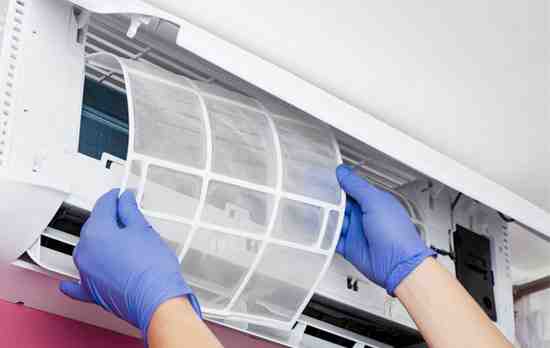
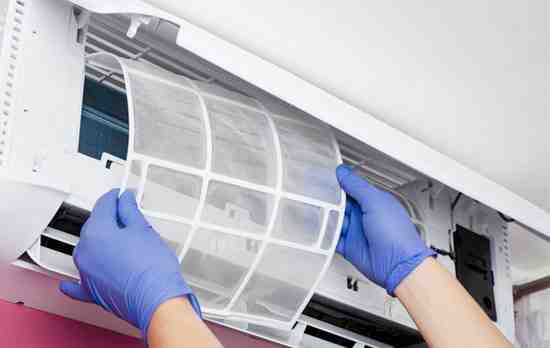
A dirty air filter is the most frequent reason an air conditioner stops cooling. It sounds simple, but the impact is a domino effect. When the filter is clogged with dust, pet dander, and lint, it restricts the volume of air passing over the evaporator coils. Without enough warm air to absorb, the refrigerant inside those coils gets too cold, leading to ice buildup.
To troubleshoot this, locate your filter—usually found in a return air vent or a slot on the indoor air handler. Hold it up to a light; if you can’t see light passing through the fibers, it’s time for a change. We recommend replacing filters every 1-3 months, especially during peak humidity months in North Providence or Warwick. In addition to the air not cooling properly, you’re also breathing in the dirt, mold, pet dander, and bacteria that accumulate on the filter. This is especially dangerous for family members with asthma or allergies.
Identifying Frozen Evaporator Coils and Refrigerant Leaks
; Ice; Hissing; Humidity; Leak; Evaporator;
If you see frost on the copper lines leading to your outdoor unit or notice ice forming on the indoor coil, you have frozen evaporator coils. While it seems contradictory to have ice in a 90-degree Rhode Island summer, it’s a sign that the heat exchange process has failed.
This is often caused by low refrigerant levels. Refrigerant is the fluid your system uses to remove heat and humidity. If there are literal holes in the lines—known as refrigerant leaks—the pressure drops and the coils freeze. Signs of a leak include a hissing or bubbling noise and a noticeable increase in indoor humidity. If you suspect a leak, turn the system off immediately to prevent compressor damage and call a professional, as handling refrigerant requires EPA certification.
Thermostat Issues and Electrical Component Failures
; Settings; Battery; Capacitor; Breaker; Wiring;
Sometimes the problem isn’t mechanical; it’s digital. A faulty thermostat can prevent the outdoor unit from ever receiving the signal to start cooling.
- Check the Mode: Ensure it is set to “Cool” and the temperature is at least 5°F lower than the current room temp.
- The Fan Setting: If the fan is set to “ON,” it will blow air constantly, even when the cooling cycle is off. Switch it to “AUTO” so it only blows when the air is being actively chilled.
- Batteries: If the display is faint or blank, fresh batteries might be the only fix you need.
On the electrical side, a faulty capacitor is a very common culprit. Think of the capacitor as a large battery that gives the motor the “kick” it needs to start. If your outdoor fan isn’t spinning but you hear a humming sound, the capacitor has likely failed. Additionally, check your circuit breaker; a power surge can trip the AC’s dedicated switch. Reset it once, but if it trips again, there is a deeper electrical short that needs expert attention.
Cleaning Blocked Outdoor Condenser Units Safely
; Debris; Vegetation; Fins; Airflow; Cleaning;
The outdoor unit (the condenser) is responsible for releasing the heat collected from inside your home. If it’s wrapped in overgrown shrubs, buried under fallen leaves, or caked in grass clippings, that heat has nowhere to go. A buildup of dirt and debris on the outside of the unit forces the system to work harder, which can lead to a complete cooling shutdown.
You can clean this yourself with a bit of caution. Turn off the power at the outdoor disconnect box first. Use a garden hose—never a pressure washer, which can flatten the delicate aluminum fins—and rinse the coils at a 45-degree angle. Ensure there is at least two feet of clear space around the entire unit to allow for proper condenser coil airflow.
Professional Solutions for HVAC Failures
; Diagnostics; Repair; Safety; Longevity; Expertise;
While DIY checks can resolve about 30% of “warm air” complaints, some issues are simply too dangerous or complex for a homeowner to tackle. High-voltage electricity and pressurized chemical refrigerants require specialized tools and training. Furthermore, an aging system (typically 15-20 years old) may simply be at the end of its lifespan, where repairs cost more than the value of the unit.

| Issue | DIY Check | Professional Fix |
|---|---|---|
| Warm Air from Vents | Check thermostat settings & filter | Diagnose compressor or refrigerant levels |
| No Airflow | Check breaker & return vents | Replace blower motor or capacitor |
| Ice on Unit | Turn off AC, run fan to thaw | Fix refrigerant leak or airflow blockage |
| Strange Noises | Clear debris from outdoor fan | Replace failing bearings or compressor |
| High Energy Bills | Clean outdoor coils | Seal ductwork leaks or tune-up system |
Professional Diagnostics for an AC Unit Not Blowing Cold
; Inspection; Precision; Safety; Ductwork; Prime;
When you call for professional AC repairs, a technician does more than just look at the surface. We use thermal imaging to find hidden leaks in your ductwork, which can account for a 30% loss in cooling efficiency. We also check the AC compressor, the heart of the system. If the compressor fails, the unit will run, but no cooling will occur.
In older homes throughout East Greenwich or Providence, we often find that units are undersized for modern heat loads or that the evaporator coils are plagued by mildew and even mold due to constant moisture. A professional cleaning and the addition of UV lights can keep the air cleaner and the system running at peak performance. Regular maintenance is the only way to catch these “red flags” before they turn into a midnight emergency in the middle of a heatwave.
Conclusion: Restoring Comfort with Prime Heating & Cooling
; Reliable; Experience; Rhode Island; Maintenance; Expert;
An AC unit not blowing cold air doesn’t have to mean a summer of discomfort. By starting with the basics—filters, thermostat settings, and outdoor debris—you can often solve the problem yourself. However, when the issue involves hissing sounds, repeated breaker trips, or a system that is simply too old to keep up, it’s time to call in the experts.
At Prime Heating & Cooling, we’ve spent two decades helping our neighbors in Johnston, Smithfield, and across Rhode Island stay cool. Whether you need a quick AC repair or a full system replacement, our team is available 24/7 to ensure your home remains a sanctuary from the heat. Don’t let a minor glitch turn into a major expense—schedule your HVAC service today and get back to enjoying your summer.