
Why a Frozen Evaporator Coil Demands Your Immediate Attention
If you’re dealing with a frozen evaporator coil fix, you need to act fast. Here’s what to do right now:
- Turn off your AC – Switch the thermostat from “Cool” to “Off” immediately
- Run the fan only – Change the fan setting from “Auto” to “On” to circulate warm air
- Let it thaw – Allow 1-4 hours for the ice to melt completely (up to 24 hours for severe cases)
- Check your air filter – Replace it if dirty or clogged
- Clear all vents – Ensure supply and return vents aren’t blocked by furniture or debris
- Restart and monitor – Turn the AC back on and watch for re-freezing
- Call a pro if needed – If the coil freezes again, you likely have low refrigerant or a deeper issue
Your air conditioner is running constantly, but your home feels more like a sauna than the cool refuge you’re paying for. When you investigate, you find thick ice coating the indoor unit’s coil and water pooling on the floor. This frozen evaporator coil isn’t just frustrating—it’s a warning sign that something is seriously wrong with your cooling system.
A frozen coil completely blocks your AC’s ability to cool your home. Worse, continuing to run the system can cause compressor damage that costs thousands to repair. The good news? Many frozen coil issues have simple causes that homeowners can fix themselves, while others require professional intervention to prevent permanent damage.
I’m Tyler Steiner, and I’ve diagnosed and repaired hundreds of frozen evaporator coils across Rhode Island and Massachusetts. Through my work at Prime Heating & Cooling, I’ve seen how quickly a frozen evaporator coil fix can go from a simple filter change to a major repair bill—and I’ve learned exactly which warning signs mean it’s time to call for help.
Spotting the Freeze: Telltale Signs and Immediate First Aid
Imagine coming home on a sweltering summer day in Smithfield or Warwick, only to find your AC blowing warm air. You might initially think, “Oh no, my AC is broken!” But if you investigate further and find ice where there should only be cool, dry metal, you’ve likely got a frozen evaporator coil on your hands.
A frozen evaporator coil isn’t always obvious at first glance, as the coil itself is usually tucked away inside your indoor air handler unit. However, your system will send you plenty of signals if it’s struggling with an icy buildup.
Signs Your Evaporator Coil is Frozen
How do you know if your evaporator coil is frozen? Here are the most common indicators we see in homes across Rhode Island and Massachusetts:
- Reduced Cooling: This is often the first sign homeowners notice. Your AC is running, but the house isn’t getting cool. The air coming from your vents might feel lukewarm or even warm.
- AC Running Constantly: To compensate for the lack of cooling, your AC system will work harder and run longer cycles trying to reach the thermostat’s set temperature. This leads to increased energy consumption and higher utility bills.
- Weak Airflow: If you feel very little air coming from your vents, it’s a strong indicator. The ice buildup acts like a barrier, preventing your blower fan from pushing conditioned air effectively.
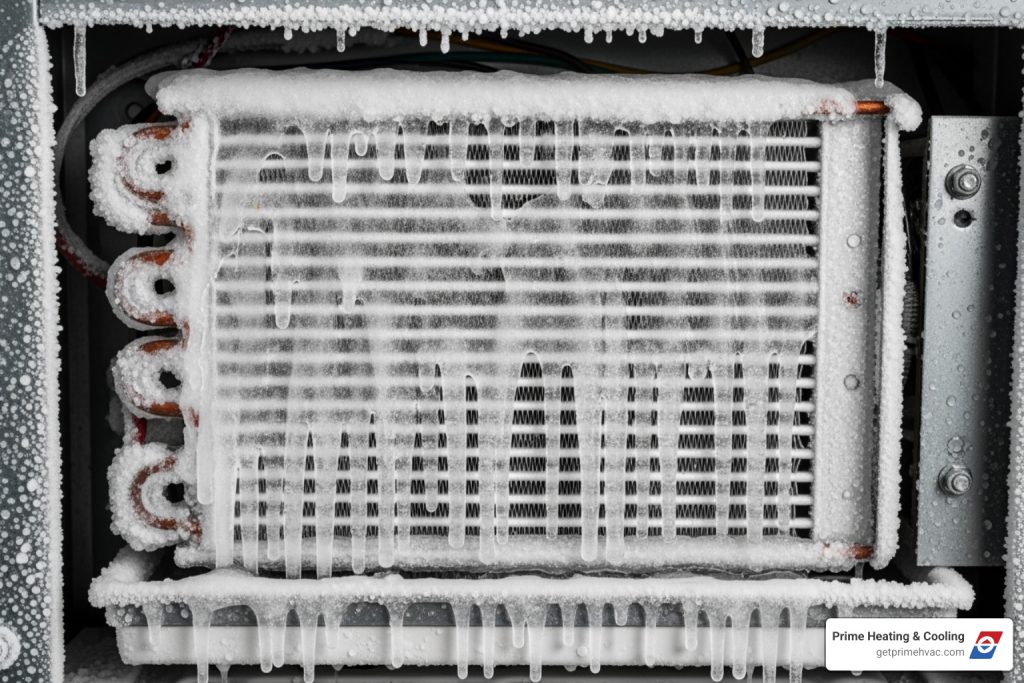
- Visible Ice or Frost: If you can safely access your indoor unit’s evaporator coil, you might see a layer of ice or frost directly on the coil or on the refrigerant lines leading to it. This is the most definitive sign.
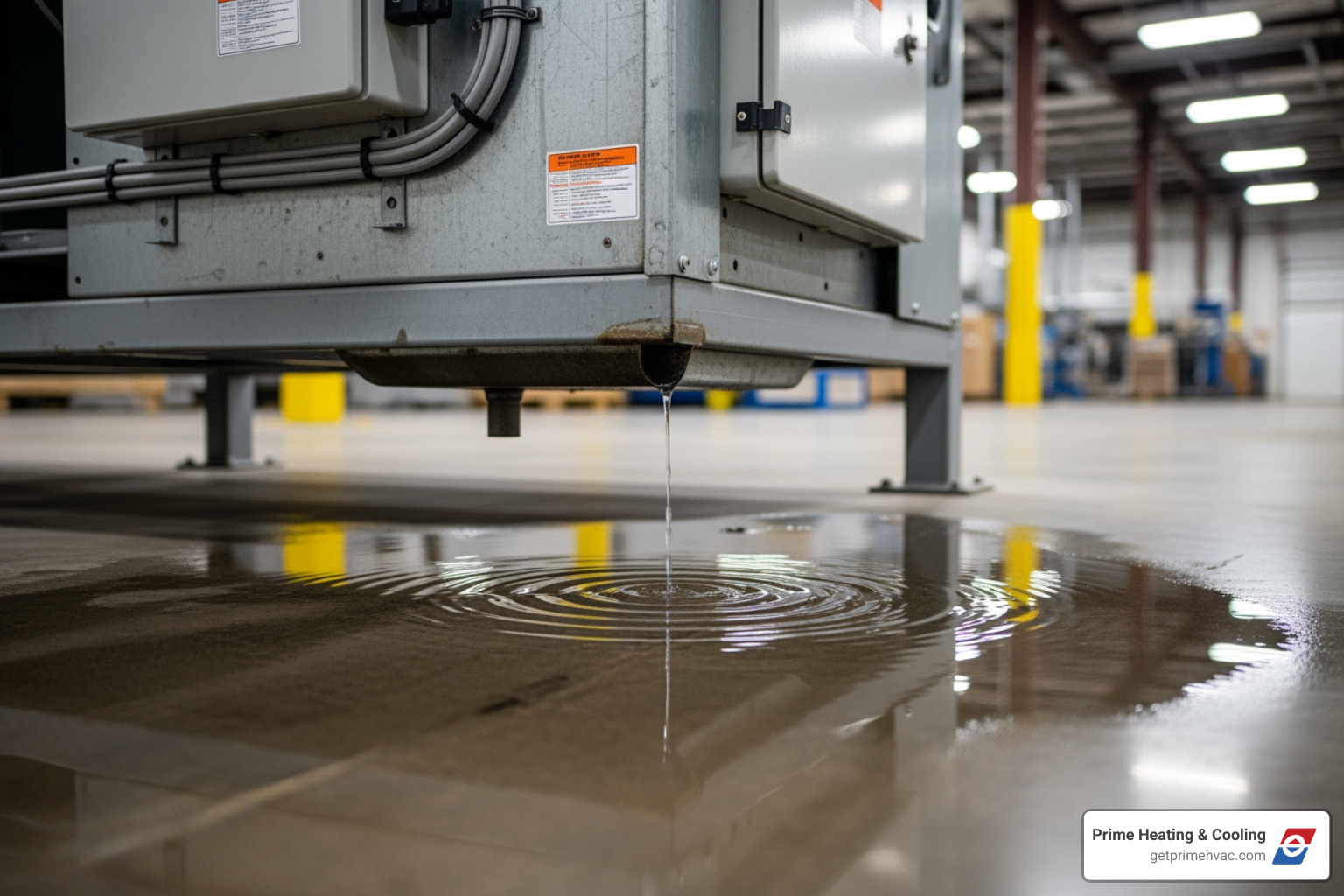
- Water Leaks Around the Indoor Unit: As the ice on the coil melts, it can overwhelm your AC’s condensate drain pan, causing water to overflow and leak onto the floor. This is a common and often messy symptom.
- Increased Indoor Humidity: A properly functioning AC system dehumidifies your home as it cools. If your coil is frozen, it can’t effectively remove moisture, leaving your home feeling clammy and uncomfortable.
- Unusual Hissing or Gurgling Sounds: Ice formation or melting can sometimes create strange noises within your system.
- System Shutdown: In some cases, safety mechanisms within your AC unit might detect the issue and shut down the system entirely to prevent further damage, especially to the compressor.
Ignoring these red flags can lead to more severe problems. For more insights on recognizing AC issues, check out our guide on Signs Your Air Conditioner Needs Repair: Don’t Ignore These Red Flags.
What to Do Immediately
When you find a frozen evaporator coil, immediate action is crucial to prevent further damage to your AC system and potentially costly repairs. Our expert advice for the immediate steps to take is straightforward:
- Turn Off the HVAC System: The very first thing to do is switch your thermostat from “Cool” to “Off.” This stops the compressor from running, which is the component that circulates refrigerant. Continuing to run the compressor against a frozen coil can cause severe damage.
- Switch the Fan Setting to “ON”: While the system is off, change the fan setting on your thermostat from “Auto” to “On.” This will run the indoor blower fan continuously, circulating warmer air from your home over the frozen coil. This helps to speed up the thawing process significantly without running the compressor.
- Allow for Thawing: We recommend allowing the system to run in “fan only” mode for at least 1 to 4 hours, or until all visible ice has melted. For severe ice buildup, it might take even longer, sometimes up to 24 hours. Be patient!
Taking these steps promptly can save you a lot of headache and expense. When your AC breaks down, timely action is key. For more on dealing with sudden breakdowns, refer to our article on Emergency AC Repair: What to Do When Your Cooling System Breaks Down.
The Root Causes: Why Your AC Coils are Turning to Ice
To understand why your evaporator coil is freezing, it helps to know how your AC works. Your air conditioner’s job is to move heat from inside your home to outside. The evaporator coil, located in your indoor unit, absorbs heat from your indoor air, causing the refrigerant inside it to turn from a liquid into a gas. This cold gas then travels to the outdoor unit (condenser), where it releases the absorbed heat. If this delicate heat transfer process is interrupted, the coil can get too cold, dropping below 32 b0F, and moisture in the air will freeze onto its surface.
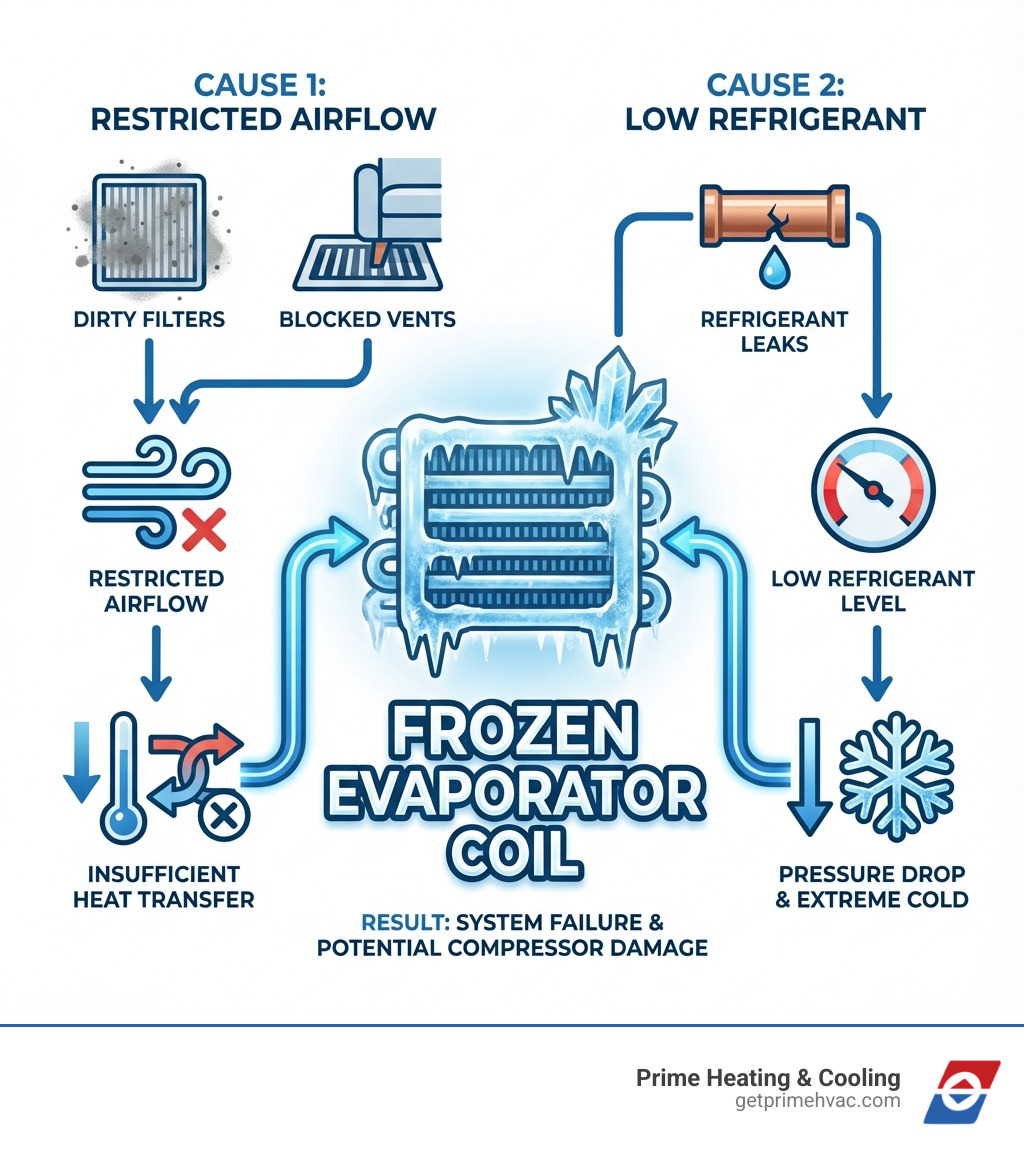
From our experience serving Smithfield, Providence, and surrounding areas, the vast majority of frozen evaporator coil issues stem from one of two main culprits: restricted airflow or low refrigerant levels. For a comprehensive look at common causes, we often refer to resources like Top 5 Causes of Frozen AC Coils and How to Fix Them, and broader consumer education from Energy Star on how improper airflow and refrigerant charge impact AC performance.
How Restricted Airflow Leads to Freezing
Restricted airflow is the most common reason we find for frozen evaporator coils. When not enough warm air from your home passes over the cold evaporator coil, the coil can’t absorb enough heat. This causes its temperature to drop dangerously low, below freezing point. The moisture in the air then condenses and freezes directly onto the coil.
Heres what typically causes restricted airflow:
- Dirty Air Filters: This is the number one offender! A clogged or dirty air filter significantly reduces the amount of air that can flow through your AC system. We can’t stress enough how crucial regular filter changes are for preventing this.
- Blocked Return Vents or Supply Registers: Furniture, rugs, or even playful pets can block the vents that bring air into or out of your system. Make sure all your return grilles and supply registers are open and unobstructed.
- Dirty Blower Fan: The blower fan is responsible for moving air across the evaporator coil. If it’s caked with dirt and grime, it can’t move air efficiently, leading to insufficient airflow.
- Closed Dampers or Ductwork Issues: Problems within your ductwork, such as collapsed ducts or closed dampers, can also severely restrict airflow.
When your system can’t “breathe” properly, the evaporator coil gets too cold, and ice forms. For more on managing the air in your home, explore our insights on Understanding Airflow Issues: Fixing Uneven Cooling in Your Home.
How Low Refrigerant Causes a Freeze
Low refrigerant levels are another major cause of a frozen evaporator coil, and this is almost always due to a leak in your system. Refrigerant is the lifeblood of your AC, absorbing and releasing heat as it changes states. When the refrigerant level drops, the pressure within the evaporator coil also drops.
This reduction in pressure causes the refrigerant to expand more rapidly and reach much colder temperatures than it normally would. This phenomenon is explained by the JouleThomson effect, where the expansion of a gas leads to a decrease in its temperature. When the refrigerant gets too cold, it cools the coil below freezing, and any moisture in the air freezes onto the coil.
Signs of a refrigerant leak can include:
- Oily Residue: You might notice an oily residue around the refrigerant lines or the evaporator coil itself, as refrigerant contains a small amount of oil.
- Hissing or Bubbling Noise: A leak can sometimes produce an audible hissing sound (if it’s a larger leak) or bubbling noises from the refrigerant lines.
- AC Not Cooling Effectively: Even without a frozen coil, low refrigerant means your AC won’t be able to cool your home efficiently.
Adding more refrigerant without fixing the leak is not a solution. It’s like patching a leaky tire without finding the nailthe problem will just recur. Refrigerant leaks require professional detection and repair. Learn more about the importance of addressing these issues in our article on Refrigerant Leak Repair: Why It’s Critical for Your AC System.
The DIY Frozen Evaporator Coil Fix: A Step-by-Step Guide
While some frozen evaporator coil issues require professional expertise, there are several steps you can take yourself to safely thaw your coil and even identify the underlying cause. Our goal at Prime Heating & Cooling is to empower homeowners in Massachusetts and Rhode Island with the knowledge to handle minor issues and know when to call in the cavalry.
Before you begin any DIY troubleshooting, remember to prioritize safety. Always turn off your AC unit at the thermostat first. For more general DIY AC troubleshooting tips, you can visit our guide on DIY AC Troubleshooting: How to Fix Common Cooling System Issues.
Safely Thawing the Ice: Your First Step to a Frozen Evaporator Coil Fix
The immediate priority when you find a frozen coil is to thaw it safely and completely. This prevents further damage and allows you to properly diagnose the root cause.
- Turn Off the AC System Completely: As we mentioned earlier, switch your thermostat from “Cool” to “Off.” This stops the compressor and prevents it from working against the ice, which can lead to severe damage.
- Run the Fan Only: Set your thermostat’s fan setting from “Auto” to “On.” This will activate the indoor blower fan, circulating warmer air from your home over the frozen coil. This is the safest and most effective way to thaw the ice.
- Be Patient – Natural Thawing Takes Time: The time it takes for an evaporator coil to thaw typically ranges from 1 to 4 hours, depending on the extent of the ice buildup and the ambient conditions in your home. For very heavy ice, it could take up to 24 hours.
- Manage Meltwater: As the ice melts, it will drain into your condensate pan. If you had a significant ice buildup that led to leaks, you might need to place towels or buckets to catch any overflowing water. You can also carefully use a wet/dry vacuum to remove water from the condensate pan.
- Hair Dryer (Use with Caution): If the coil is easily accessible and you want to speed up the process, you can carefully use a hair dryer on a low to medium heat setting. Hold it at least six inches away from the coil and keep it moving. Be extremely careful not to damage the delicate fins of the coil or any electrical components.
- NEVER Use Sharp Objects: Resist the urge to chip away at the ice with knives, screwdrivers, or other sharp objects. This can easily puncture the coil, leading to a refrigerant leak and a much more expensive repair.
For additional steps and tips on what to do when your evaporator coil freezes, Angi offers a helpful resource: What to Do if Your Evaporator Coil Freezes: 6 Steps to Try.
DIY Troubleshooting After the Thaw
Once your evaporator coil is completely thawed and dry (which is very important—don’t restart your AC until it’s dry!), you can perform some DIY checks to identify the cause of the freeze.
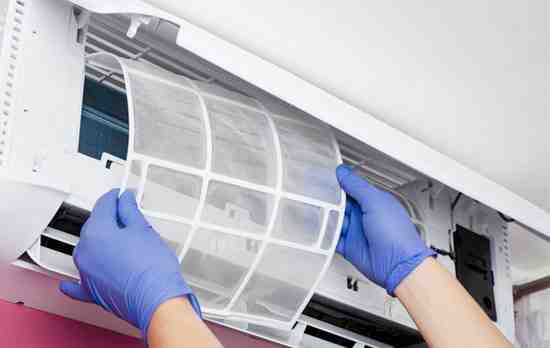
- Check Your Air Filter: This is often the culprit! Pull out your air filter. If it’s caked with dirt, dust, and debris, it’s severely restricting airflow. Replace it with a clean one. We recommend checking your air filter monthly and replacing it every 30-90 days, especially in homes with pets or allergy sufferers.
- Inspect Vents and Registers: Walk around your home and ensure all supply registers and return air grilles are open and unobstructed. Move any furniture, drapes, or rugs that might be blocking them.
- Clean Return Grilles: Sometimes, the grilles themselves can accumulate dust and lint, creating a minor obstruction. Give them a quick vacuum or wipe down.
- Look for Obvious Blockages: Visually inspect the area around your indoor unit and the outdoor condenser unit for anything that might be impeding airflow, like overgrown shrubs or debris.
- Check Your Condensate Drain Line: While not a direct cause of freezing, a clogged drain line can lead to water backup and contribute to moisture issues around the coil. If you see standing water in the drain pan, you might have a clog. You can often clear minor clogs with a wet/dry vacuum or a mixture of vinegar and water.
After performing these checks and ensuring everything is clear, you can restart your AC system. Set the thermostat back to “Cool” and the fan to “Auto.” Monitor its performance closely. If the coil re-freezes, or if you suspect a more serious issue like a refrigerant leak or a malfunctioning component, it’s time to call in the professionals.
Understanding the role of your air filter is paramount in preventing frozen coils. For more information, read our article on The Role of Air Filters in Your AC System: Maintenance and Replacement.
When to Call a Professional: Risks, Consequences, and Expert Solutions
While we encourage homeowners in Massachusetts and Rhode Island to perform basic DIY troubleshooting, there’s a clear line where professional help becomes not just recommended, but essential. Attempting complex repairs or handling refrigerant yourself can be dangerous and lead to further, more expensive damage.
When should you pick up the phone and call Prime Heating & Cooling?
- Persistent Freezing: If your coil refreezes after you’ve thawed it and performed all the DIY airflow checks, it’s a strong indicator of an underlying issue that requires expert diagnosis.
- Suspected Refrigerant Leak: Refrigerant is a hazardous chemical, and handling it requires specialized tools and training. In fact, it’s illegal for unlicensed individuals to add or remove refrigerant. If you notice oily residue or hear hissing sounds, call us immediately.
- Malfunctioning Components: If you suspect issues with your blower fan, thermostat, or other internal components, a professional HVAC technician has the expertise to diagnose and repair these intricate parts.
- Inaccessibility of the Coil: Sometimes, the evaporator coil is difficult to access, making safe thawing or inspection challenging.
- Lack of Confidence: If you’re unsure at any point, it’s always best to err on the side of caution and contact a professional.
Knowing when to call for help is a sign of a smart homeowner. For more details on this, check out our guide on When to Call an AC Technician: Signs You Need Professional Repair.
The Dangers of Ignoring the Problem or a Botched Frozen Evaporator Coil Fix
Ignoring a frozen evaporator coil or attempting a repair beyond your skill level can have severe and expensive consequences for your entire AC system and even your home.
- Compressor Damage: This is perhaps the most serious risk. When the evaporator coil freezes, it restricts the flow of refrigerant back to the compressor. If liquid refrigerant returns to the compressor (known as “liquid slugging”), it can cause catastrophic damage, leading to a complete compressor failure. Replacing a compressor is one of the most expensive AC repairs you can face, often costing thousands of dollars. Find out more about this in our article on Understanding AC Compressor Repair: Causes, Costs, and Solutions.
- Increased Energy Consumption: A frozen coil means your AC is working harder to cool your home, leading to significantly higher energy bills.
- Water Damage to Your Home: As the ice melts, it can overflow the condensate pan, leading to water leaks that damage ceilings, walls, and flooring. This can also create a slip hazard.
- Mold Growth: Persistent moisture from overflowing condensate can lead to mold and mildew growth in your ductwork or around your indoor unit, impacting indoor air quality and posing health risks.
- Reduced System Lifespan: Continual stress on your AC components from operating with a frozen coil will shorten the overall lifespan of your entire system, leading to premature replacement.
The bottom line: a frozen evaporator coil fix is not something to take lightly. Addressing it correctly and promptly is key to maintaining your comfort and your investment.
Evaporator Coil vs. Condenser Coil: What’s the Difference?
It’s common for homeowners to confuse the evaporator coil with the condenser coil, but they serve distinct purposes and are located in different parts of your AC system. Understanding the difference helps clarify why only one of them freezes.
| Feature | Evaporator Coil | Condenser Coil |
|---|---|---|
| Location | Indoor unit (air handler or furnace) | Outdoor unit |
| Function | Absorbs heat from indoor air, cools your home | Releases heat to the outdoor air |
| Temperature | Gets very cold (around 40°F) to absorb heat | Gets very hot to release heat |
| Why it Freezes | Restricted airflow or low refrigerant causes temperature to drop below freezing, freezing moisture. | Does not freeze; it’s designed to dissipate heat. |
The evaporator coil’s job is to get cold, which is why issues like poor airflow or low refrigerant can cause it to dip below freezing and accumulate ice. The condenser coil, on the other hand, is designed to be hot to effectively release heat to the outside. If you’re having issues with your outdoor unit, it’s typically related to heat dissipation rather than freezing. For concerns with your outdoor unit, you can learn more about Condenser Coil Repair: Restoring Efficiency of Your Air Conditioner.
Frequently Asked Questions about Frozen Coils
We often get questions from homeowners in Lincoln, North Providence, and other Rhode Island communities about their frozen AC coils. Here are some of the most common ones we encounter:
How long does it typically take for an evaporator coil to thaw?
The time it takes for an evaporator coil to thaw can vary, but generally, it ranges from 1 to 4 hours. This depends on several factors: the thickness of the ice buildup, the ambient temperature and humidity in your home, and whether you’re running the indoor fan to circulate warmer air. In severe cases, where the coil is heavily encased in ice, it might take up to 24 hours for a complete thaw. Patience is truly a virtue here!
Can I just run my AC with frozen coils to melt the ice?
No, absolutely not! Running your AC with frozen coils will not melt the ice, and it can actually worsen the problem and cause severe, irreparable damage to your system. The compressor, in particular, is at risk of failure if it tries to operate against a frozen coil. This can lead to liquid refrigerant returning to the compressor, which it’s not designed to handle. Continuing to run a frozen AC also increases energy consumption as it struggles to cool your home. The best course of action is to turn off the cooling function and run only the fan to aid in thawing. For more information on why this is crucial, check out Carrier’s insights on AC Evaporator Coil Frozen.
How often should I change my air filter to prevent freezing?
We recommend checking your air filter monthly and changing it every 30 to 90 days. The exact frequency can depend on several factors:
- Pets: Homes with furry friends will need more frequent filter changes.
- Allergies/Asthma Sufferers: If anyone in your household has respiratory issues, a cleaner filter can make a big difference.
- Home Size/Occupancy: Larger homes or those with more occupants might accumulate dust faster.
- Filter Type: Some higher-MERV filters are designed to last longer, but always check the manufacturer’s recommendations.
- Recent Home Renovations: Construction dust can quickly clog a new filter.
A dirty air filter is a leading cause of restricted airflow, which, as we discussed, is a primary reason for frozen evaporator coils. Regular filter replacement is one of the simplest and most effective preventative maintenance steps you can take. To dive deeper into this topic, read our article on AC Filter Replacement: The Key to Clean and Healthy Indoor Air.
Prevent Future Freezing and Keep Your Cool
A frozen evaporator coil fix can be a frustrating experience, but understanding its causes and knowing the right steps to take can save you from a lot of discomfort and expense. We’ve learned that immediate action, safe thawing methods, and diligent DIY checks are crucial. However, we also know when it’s time to call in the experts for a more complex diagnosis and lasting solutions.
The best defense against a frozen evaporator coil is always prevention. Regular, proactive maintenance of your AC system can catch potential issues like dirty filters or low refrigerant levels before they lead to a full-blown freeze-up. We at Prime Heating & Cooling are dedicated to helping our neighbors in Rhode Island and Massachusetts enjoy reliable, energy-efficient comfort all season long.
Don’t wait for your AC to turn into an ice sculpture to address underlying problems. Invest in regular maintenance to keep your system running smoothly and efficiently. For expert diagnosis and lasting repairs in Rhode Island and Massachusetts, schedule your AC Repairs in RI today. Let us help you keep your cool!