
What to Do About Bursted Waterpipes in RI (And How to Fix Them Fast)
Bursted waterpipes in RI are one of the most damaging — and most preventable — home emergencies Rhode Island homeowners face every winter.
Here’s a quick overview of what to do if you’re dealing with one right now:
- Shut off your main water valve immediately to stop flooding
- Open faucets to drain pressure from the system
- Call a licensed plumber for emergency repair
- Document all damage with photos for your insurance claim
- Contact a water damage restoration company to prevent mold
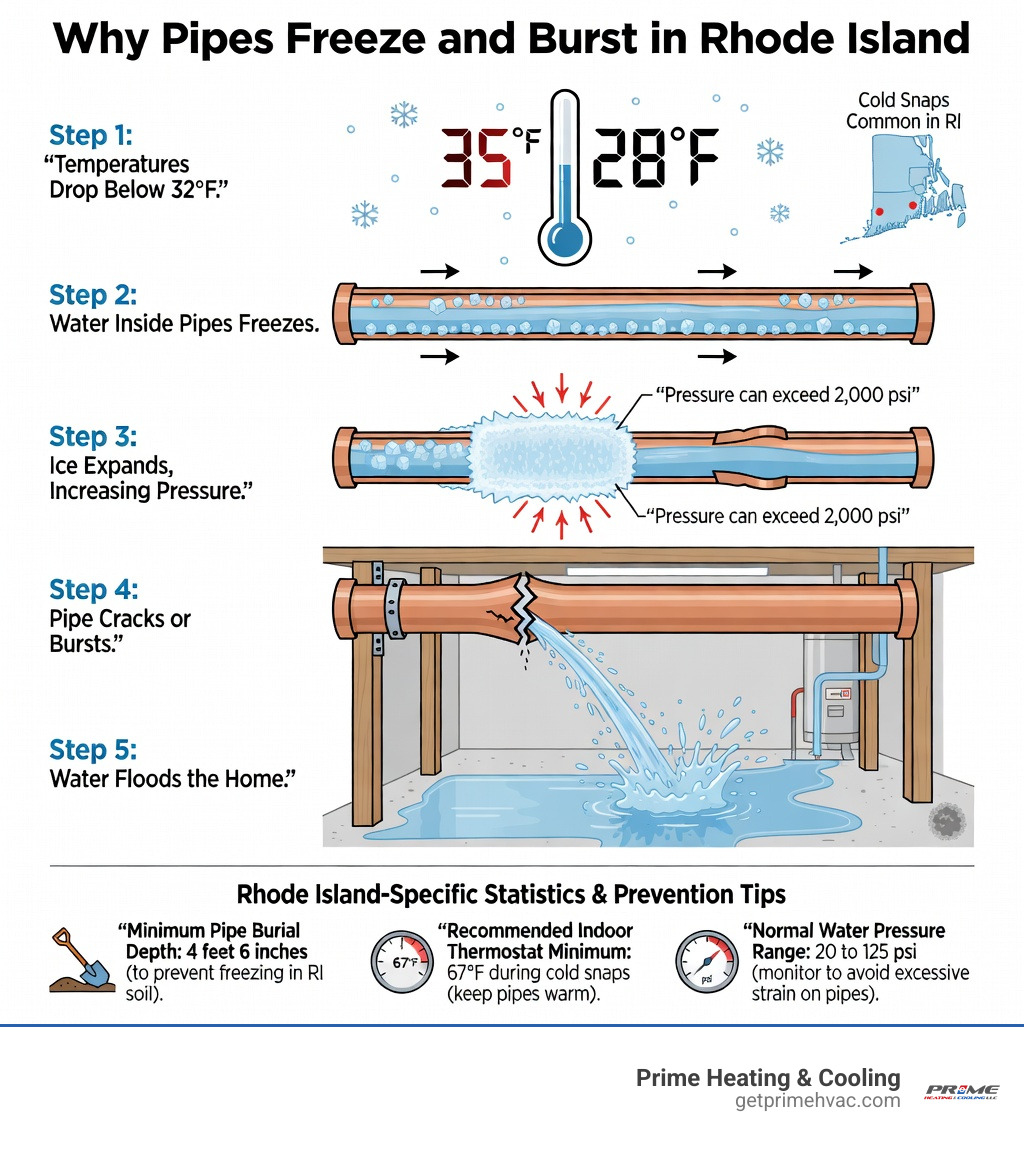
Rhode Island winters are brutal on plumbing. When temperatures drop below freezing, water inside pipes expands as it turns to ice. That expansion creates enormous pressure — enough to crack or completely rupture a pipe. It can happen inside walls, in attics, in crawl spaces, or in any unheated area of your home.
The results can be devastating. In one documented Rhode Island case, a frozen water line in an attic burst and flooded the home so severely that water was pouring out the front door — and passersby had to call the fire department.
You don’t want to be that homeowner.
The good news? Whether your pipe has already burst or you’re trying to prevent it from happening, there are clear steps you can take — and we’ll walk through all of them in this guide.
I’m Tyler Steiner, CEO and founder of Prime Heating & Cooling, and I’ve spent years helping Rhode Island homeowners deal with the plumbing challenges that come with our region’s harsh winters — including bursted waterpipes in RI. In this guide, I’ll share exactly what causes them, how to respond, and how to make sure it never happens again.
Identifying and Responding to Bursted Waterpipes in RI
When the temperature drops in Providence or Warwick, your home’s plumbing is under constant stress. Identifying a problem early can mean the difference between a small mop-up job and a full-scale restoration project. At Prime Heating & Cooling, we’ve seen how quickly a small crack can turn into a literal waterfall inside a living room.
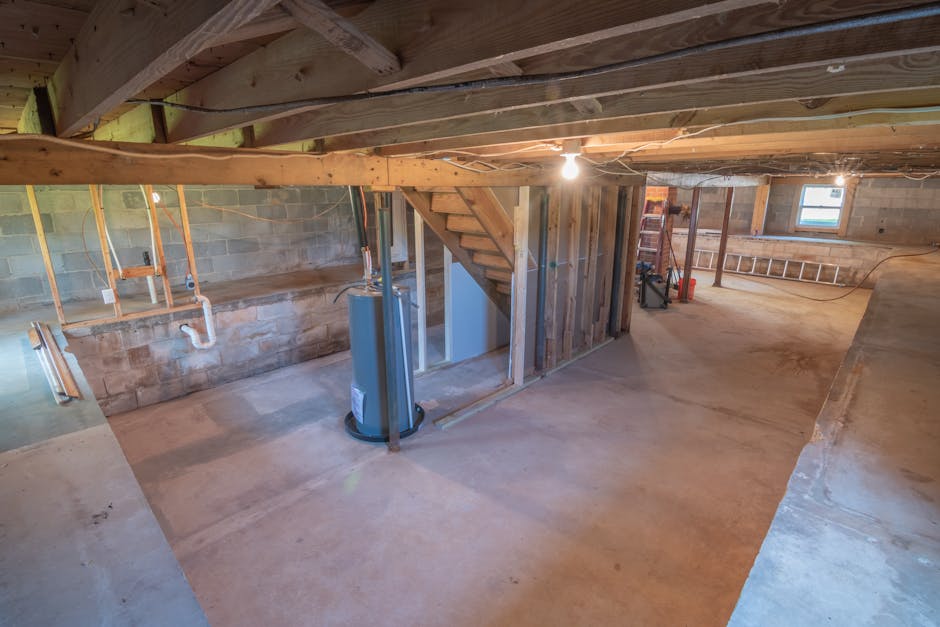
Knowing where your main water shut-off valve is located is the single most important piece of home maintenance knowledge you can have. In most Rhode Island homes—especially older ones in places like Johnston or Smithfield—this valve is typically located in the basement near the front wall of the house, where the water service enters from the street. It might also be located in a crawl space or near the water heater.

If you suspect a leak, you need to act fast. According to research on signs of a broken pipe, if water is gushing out somewhere else in the line, you won’t have strong pressure or any water coming out of the faucet. This loss of pressure is often your first warning sign. For more comprehensive advice on keeping your home safe, check out these plumbing tips to prevent disasters.
Common Signs of Bursted Waterpipes in RI
You don’t always see a geyser of water when a pipe fails. Sometimes, bursted waterpipes in RI hide behind drywall or under floorboards for days before they are discovered. Keep an eye (and ear) out for these red flags:
- Sudden Drop in Water Pressure: If your morning shower feels more like a light drizzle, water may be escaping through a rupture elsewhere.
- Discolored or Smelly Water: If your water looks brownish or has a metallic odor, it could indicate rust or soil entering a broken underground line.
- Strange Sounds: Whistling, bubbling, or clanging noises (often called “water hammer”) can signal that pipes are vibrating due to pressure imbalances or physical damage.
- Visible Water Damage: Look for damp spots, bubbling paint, or “rings” on your ceiling and walls.
- Persistent Mold Growth: If you smell a musty odor or see fuzzy patches on the wall, you likely have a slow leak that has been feeding mold spores for some time.
- Unusually High Water Bills: If your usage hasn’t changed but your bill has skyrocketed, you have a “silent” leak.
Immediate Emergency Steps for Homeowners
If you confirm that you have bursted waterpipes in RI, do not panic. Follow this checklist to minimize the damage:
- Shut Off the Main Valve: Turn the handle clockwise until it stops. If it’s a lever-style valve, turn it perpendicular to the pipe.
- Drain the System: Open all the faucets in your house, starting with the lowest ones (like a basement utility sink) and moving to the highest. Flush all toilets. This removes the remaining water from the pipes so it doesn’t leak out of the break.
- Turn Off the Heat Source: If the burst is near electrical components or your water heater, shut off the power to those units to prevent fires or dry-firing the heater.
- Call the Pros: Contact a licensed plumber and an IICRC-certified restoration company immediately. Professional restoration is vital because water can seep into structural beams and insulation, leading to long-term rot.
- Clean Up Standing Water: Use a wet/dry vacuum or mops to remove as much water as possible.
- Check Your Sump Pump: If the water is flooding your basement, ensure your pump is working. If you’re worried about equipment failure, you can learn more about sump pump float switches to troubleshoot the issue.
Safe Thawing Techniques to Prevent a Burst
If you turn on the tap and only a trickle comes out on a cold January morning, your pipes are likely frozen but haven’t burst yet. You have a small window of time to thaw them safely.
The “Faucet-First” Method: Always open the faucet connected to the frozen pipe before you start thawing. As the ice melts, the water needs a place to go. If the faucet is closed, the melting water creates a pressure sandwich between the ice blockage and the faucet, which is often what actually causes the pipe to burst.
Safe Heat Sources: Use a hair dryer on a low setting or wrap the pipe in towels soaked in hot water. You can also use a space heater, but never leave it unattended.
What NOT to do: Never use a blowtorch, propane heater, or any open flame. Not only is this a massive fire hazard, but extreme localized heat can cause the metal to expand too quickly and crack.
The Thermostat Rule: To prevent freezing in the first place, Rhode Island experts recommend keeping your indoor thermostat set to no lower than 67°F when outdoor temperatures dip below 30°F. While it might cost a few extra dollars on your heating bill, it is significantly cheaper than a $10,000 restoration bill.
Long-Term Prevention and Professional Solutions in Rhode Island
In Rhode Island, we don’t just build for the summer; we build to survive the winter. Our state has specific regulations designed to keep water flowing even during a “Polar Vortex.” Understanding these rules—and how they apply to your home—is the best way to avoid bursted waterpipes in RI.
The Standards for Water Utilities (815-RICR-40-00-01) dictate how water is delivered to your home, but once that water passes the meter, it’s your responsibility. Proper plumbing installations and repairs are the foundation of a freeze-resistant home.
RI Plumbing Codes and Installation Standards
Rhode Island’s plumbing code is strict for a reason. The “frost line” in our state is deep. If pipes aren’t buried deep enough, the moisture in the soil turns to ice and can crush or freeze the lines.
| Requirement | Rhode Island Standard | Purpose |
|---|---|---|
| Water Service Depth | Minimum 4′ 6″ (54 inches) below grade | To stay below the recorded frost penetration line. |
| Public Sewer Depth | Minimum 36 inches below grade | To prevent freezing and structural damage. |
| Operating Pressure | 20 psi to 125 psi | To ensure flow while preventing high-pressure bursts. |
| Storm Drain Sizing | Based on 2.6 inches of rain per hour | To prevent system overload during heavy RI storms. |
| Thermostat Setting | Minimum 67°F during extreme cold | To maintain ambient heat in wall cavities. |
If you are moving into a new home in North Smithfield or Coventry, ensure your inspector checks these depths. Pipes installed in exterior walls must also be protected by insulation, heat, or both, according to the state building code.
Maintenance Strategies for Bursted Waterpipes in RI
Prevention is a year-round job. We recommend a “Winterization Walkthrough” every October. Here is what we suggest for our neighbors in the Providence and East Greenwich areas:
- Insulate Exposed Pipes: Use foam pipe sleeves or fiberglass wrap on any pipes in unheated areas like basements, attics, and crawl spaces. Pay special attention to the corners and joints.
- Seal the Gaps: Cold air can whistle through small gaps where pipes enter the home or near dryer vents. Use caulk or expanding foam to seal these “cold air highways.”
- Install Pressure Regulators: High water pressure (anything over 80 psi) puts constant stress on your pipe joints. If your home’s pressure is too high, a regulator can bring it down to a safe 40-60 psi range.
- Drain Outdoor Faucets: Disconnect all garden hoses and shut off the internal valve to your outdoor spigots (hose bibbs). Open the outdoor tap to let any trapped water drain out.
- Check for Corrosion: If you have an older home in the East Side of Providence, your pipes might be galvanized steel or older copper. Look for “pitting,” green stains (verdigris), or rust. Corroded pipes are much more likely to burst under the pressure of freezing water.
For more detailed guidance, you can browse our full range of plumbing services.
Professional Repair and Insurance Considerations
When a pipe bursts, the clock is ticking. Water can cause structural damage and mold growth within 24 to 48 hours. This is why Prime Heating & Cooling offers 24/7 availability for our Rhode Island neighbors.
Why Call a Professional?
While a DIY patch might stop the dripping for an hour, it doesn’t address the root cause. Was the pipe thinned by corrosion? Did the ground shift? A professional plumber will perform a “root cause analysis” to ensure you aren’t just fixing a symptom. In some cases, if your home has recurring issues, it might be time for a plumbing system replacement to bring everything up to modern standards.
Insurance and Documentation
Most standard homeowners’ insurance policies cover water damage from a “sudden and accidental” pipe burst. However, they may deny the claim if they believe the burst was caused by “lack of maintenance” (like leaving the heat off while you went to Florida).
- Take Photos: Document the burst pipe and the resulting damage to your property.
- Keep the Pipe: Don’t throw away the damaged section of the pipe; the insurance adjuster may want to see it to confirm the cause of the break.
- Mitigate Damage: Insurance companies require you to take “reasonable steps” to prevent further damage—this means shutting off the water and calling a restoration pro immediately.
At Prime Heating & Cooling, we pride ourselves on being more than just technicians; we are your local partners in home comfort. With over 20 years of experience serving locations from Scituate to Lincoln, we understand the specific quirks of Rhode Island plumbing. Whether you need emergency professional plumbing repairs or you want to winterize your home to avoid a disaster, we are here to help.
Don’t wait for the next cold snap to find out your pipes are vulnerable. Give us a call, and let’s make sure your home stays dry and warm all winter long!