Why Post-Snowstorm HVAC Care Can’t Wait
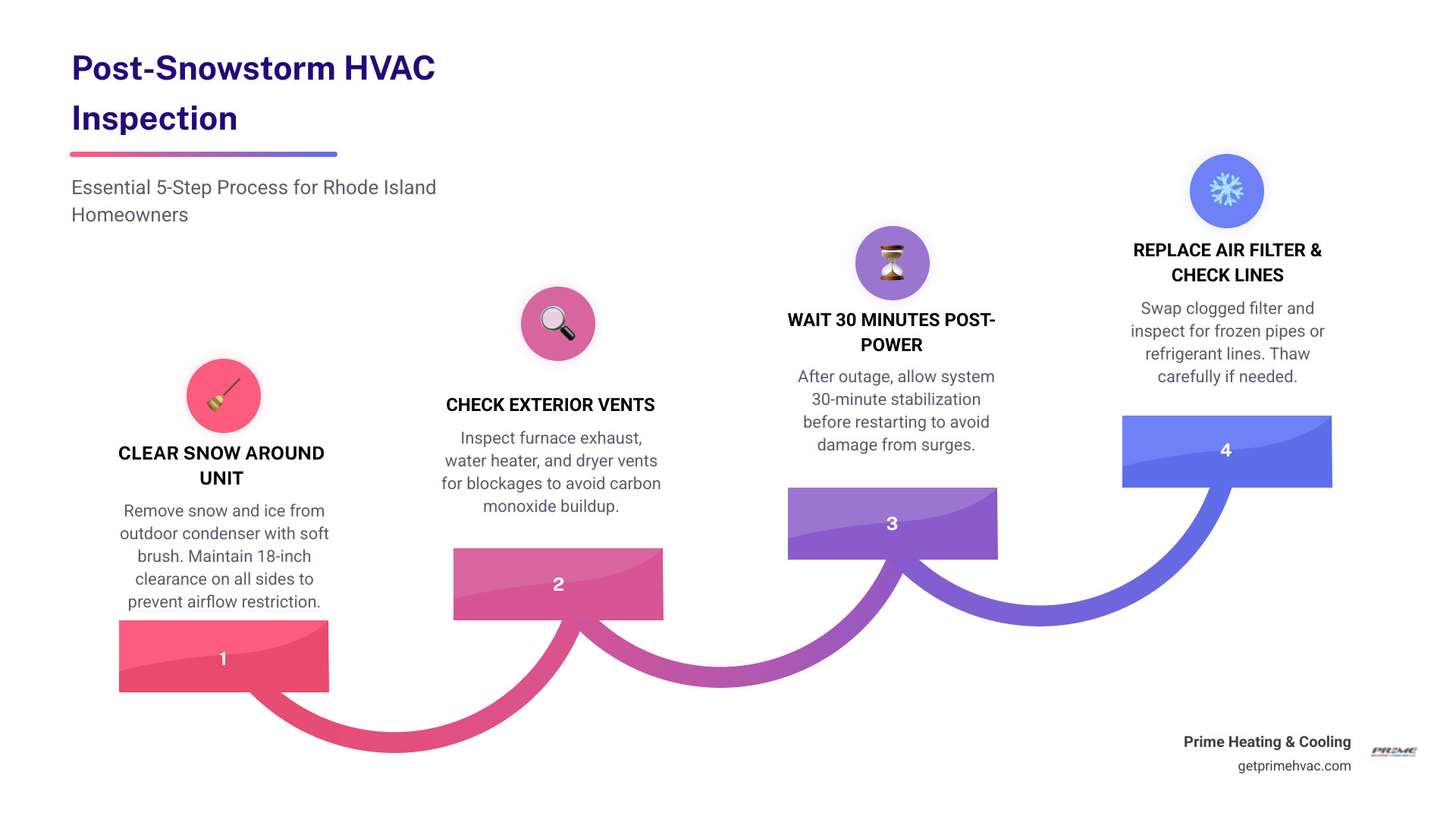
Post snowstorm HVAC tips every Rhode Island homeowner should act on right away:
- Clear snow and ice from your outdoor unit — maintain at least 18 inches of clearance on all sides
- Check exterior vents (furnace exhaust, water heater, dryer) for blockages that can cause carbon monoxide buildup
- Wait 30 minutes after power is restored before restarting your heating system
- Replace or check your air filter — systems run harder in storms and filters clog faster
- Inspect for frozen pipes or refrigerant lines and thaw carefully if needed
- Call a professional if you notice unusual noises, burning smells, or loss of heat after the storm passes
When a winter storm rolls through New England, your HVAC system takes a serious hit. Heavy snow piles against outdoor units, ice blocks exhaust vents, and power outages force sudden shutdowns. Then the storm passes — and most homeowners just turn the heat back up and move on.
That’s where the real damage happens.
A system that seems fine after a storm may be running with blocked airflow, a partially frozen refrigerant line, or a clogged exhaust vent quietly leaking carbon monoxide into your home. Winter storms cost approximately $3 billion in insured losses in 2018 alone — and HVAC damage is a major piece of that number.
The good news? Most post-storm issues are preventable with a quick, methodical inspection.
I’m Tyler Steiner, CEO and founder of Prime Heating & Cooling, and I’ve spent years helping Rhode Island and Massachusetts homeowners recover safely after winter storms — these post snowstorm HVAC tips come directly from what I see go wrong (and right) in the field every season. Let’s walk through exactly what to check so your system stays safe, efficient, and reliable all winter long.
Essential Post Snowstorm HVAC Tips for Homeowners
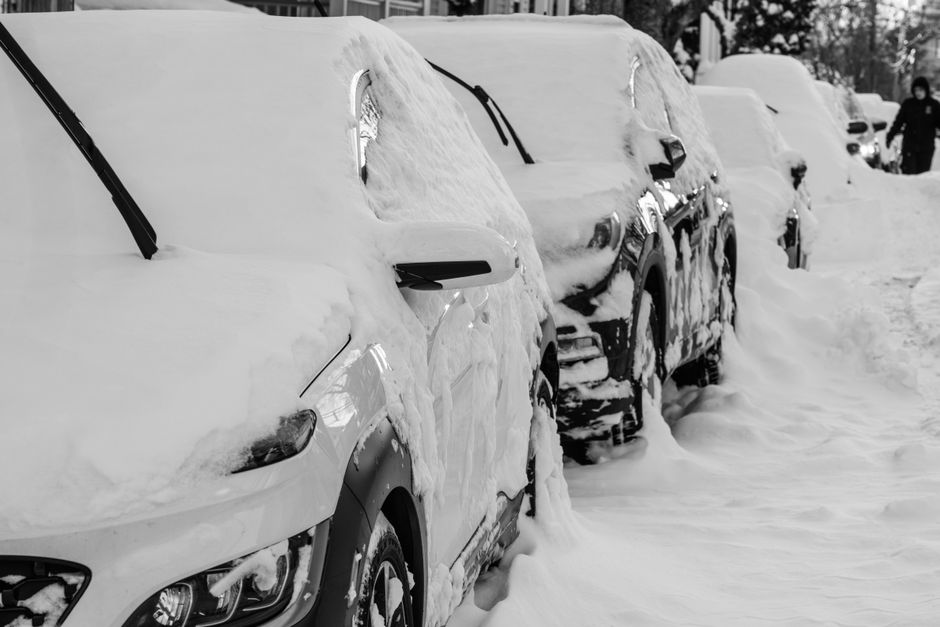
Once the shoveling of the driveway is done, your focus must shift to the lifeblood of your home’s comfort: the heating system. In Rhode Island, we are no strangers to heavy, wet “heart-attack” snow. This type of precipitation is particularly dangerous for HVAC systems because it packs tightly and restricts airflow.
When your outdoor unit is buried, it can’t “breathe.” This forces the system to work overtime, leading to a massive spike in energy consumption and, eventually, a total mechanical breakdown. If you’ve ever noticed your energy bill skyrocket after a blizzard, this is often why. Beyond the unit itself, you need to be aware of your home’s exhaust points. According to experts at Bob Vila, After a Snowstorm, Make This the First Place You Clear should be your exterior vents to prevent dangerous gases from backing up into your living space.
Before the next big one hits, it’s also a great idea to review our guide on how-to-prep-for-snowstorm-hvac-in-5-easy-steps to minimize the work you have to do once the flakes stop falling.
Safely Clearing Snow and Ice from Outdoor Units: Post Snowstorm HVAC Tips
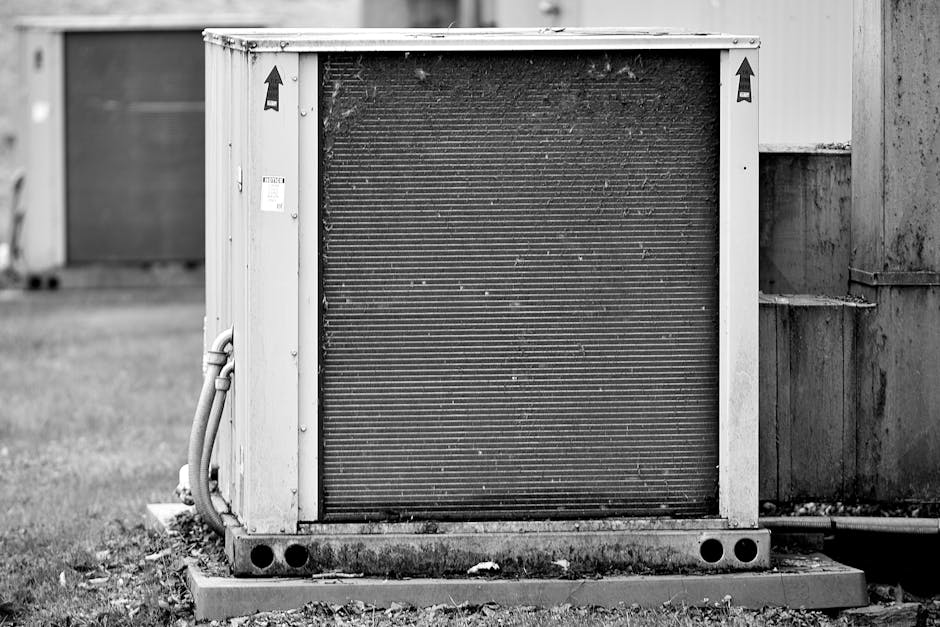
Clearing the area around your condenser or heat pump is a delicate operation. While it’s tempting to grab the metal shovel and start hacking away at the ice, you could easily puncture a refrigerant coil or bend the delicate aluminum fins.
- The 18-Inch Rule: You should maintain a minimum of 18 to 24 inches of clear space around the entire perimeter of your outdoor unit. This ensures the fan can move air freely.
- Use Soft Tools: Use a broom or your gloved hands to brush snow off the top and sides. Avoid using ice picks or shovels near the unit.
- Check the Base: Ensure snow isn’t packed underneath the unit. For many homeowners in Providence or Warwick, we recommend installing snow legs. These risers lift the unit above the average snowfall line, preventing it from getting “iced in” at the base.
- To Cover or Not?: We generally advise against using heavy plastic tarps, as they trap moisture and cause rust. However, a mesh-style cover can be helpful to keep falling icicles or debris out of the fan blades without trapping damaging humidity.
For a full list of regional maintenance tasks, check out our winter-hvac-checklist-in-rhode-island.
Inspecting Exterior Vents to Prevent Carbon Monoxide
This is the most critical safety step in our post snowstorm HVAC tips. Modern high-efficiency furnaces often vent through PVC pipes on the side of your house rather than through a traditional chimney. If a snowdrift covers these pipes, carbon monoxide (CO)—an odorless, colorless, and potentially lethal gas—will be pushed back into your home.
- Identify Your Vents: Locate your furnace intake and exhaust, water heater vent, and dryer vent.
- Clear a Path: Clear snow at least 3 feet away from these openings.
- Icicle Watch: Check for icicles hanging from the eaves above the vents. If they fall, they can crack the pipes or block the airflow.
- Detector Check: Ensure your smoke alarms (NFPA) and CO detectors are functioning. The Winter Weather and Indoor Air Quality | US EPA guidelines emphasize that sealed homes are at higher risk for pollutant buildup during storms.
If you are currently facing a major weather event, refer to our 2026-noreaster-survival-guide-for-home-heating for immediate safety protocols.
Managing Heat Pumps and Defrost Mode
If you use a heat pump in East Greenwich or Johnston, you might notice it looking like a block of ice during a storm. Don’t panic—this is often normal. Heat pumps have a “defrost mode” where they temporarily reverse the flow of refrigerant to melt ice off the outdoor coils.
However, if the unit stays encased in ice for hours or you see the “Auxiliary Heat” light staying on constantly, the defrost cycle may have failed. This can happen if the fan blades are weighed down by ice or if the sensor is blocked. Keeping your coils clean is one of the best ways to how-can-i-lower-my-heating-bills-during-a-rhode-island-winter, as it prevents the system from relying on expensive electric backup heat.
Restoring Comfort and Preventing Long-Term Damage
After the storm, your system has likely been through a “stress test.” If your power flickered or went out entirely, the sudden surge when electricity returns can fry sensitive circuit boards. Restarting your system requires a bit more than just flipping a switch.
Safe System Restart After a Power Outage: Post Snowstorm HVAC Tips
When the lights come back on in Smithfield or Lincoln, your first instinct is to crank the heat. Wait.
Giving the power grid and your system 30 minutes to stabilize prevents damage from voltage fluctuations. While you wait, check your breaker box for any tripped switches. If your home is dangerously cold, use a battery-powered heater in a small, sealed room to stay warm, but never use an oven or stove for heat.
| DIY Inspection Task | When to Call a Pro |
|---|---|
| Brushing snow off the unit | Ice is thick inside the fan blades |
| Clearing PVC vent pipes | The system won’t kick on after clearing |
| Changing a dirty air filter | You smell burning or hear loud metal screeching |
| Checking the thermostat batteries | The breaker keeps tripping immediately |
For more on preparing for these outages, see our guide on 2026-noreaster-how-to-prepare. If your system was exposed to significant melt-water or flooding, refer to the Guide to Repairing or Replacing Flood-Damaged HVAC Systems to understand the risks of electrical submersion.
Addressing Frozen Pipes and Refrigerant Lines
Extreme cold can cause the moisture in your system to freeze. This is especially true for refrigerant lines that aren’t properly insulated. If you see ice forming on the copper lines leading into your house, your system’s efficiency will plummet.
- Insulation: Ensure your lines have foam insulation sleeves. You can learn more about protecting your home’s infrastructure in this Department of Energy video.
- Thawing: If a line is frozen, you can gently use a hair dryer on a low setting. Never use a blowtorch or open flame.
- Thermal Barriers: Keep your indoor temperature at least at 55°F, even if you aren’t home, to prevent internal pipes from bursting.
Our team has put together specific winter-ready-hvac-tips-for-cranston-ri-homeowners to help address these local freezing issues.
When to Call a Professional for Post-Storm Repairs
Sometimes, DIY isn’t enough. If you’ve followed these post snowstorm HVAC tips and your home still isn’t reaching the set temperature, it’s time to call in the experts at Prime Heating & Cooling.
We serve Providence, Coventry, North Smithfield, and the surrounding areas with 24/7 emergency support. If you hear “clunking” (which could be a damaged fan motor), smell “electrical burning” (potentially a fried capacitor), or see the “check system” light on your thermostat, don’t wait for the unit to fail completely.
Professional heating-services are the only way to ensure your system is safe from internal damage that isn’t visible to the naked eye. You can Schedule Professional HVAC Services in Rhode Island today to get your system back to peak performance.
Stay warm, stay safe, and remember: a little post-storm maintenance goes a long way in protecting your home and your wallet!