Why Every New England Homeowner Needs a Nor’easter Heating Plan Before 2026
This 2026 Nor’easter Snowstorm Survival Guide for Home Heating Systems covers exactly what you need to keep your home warm and safe when a major storm hits:
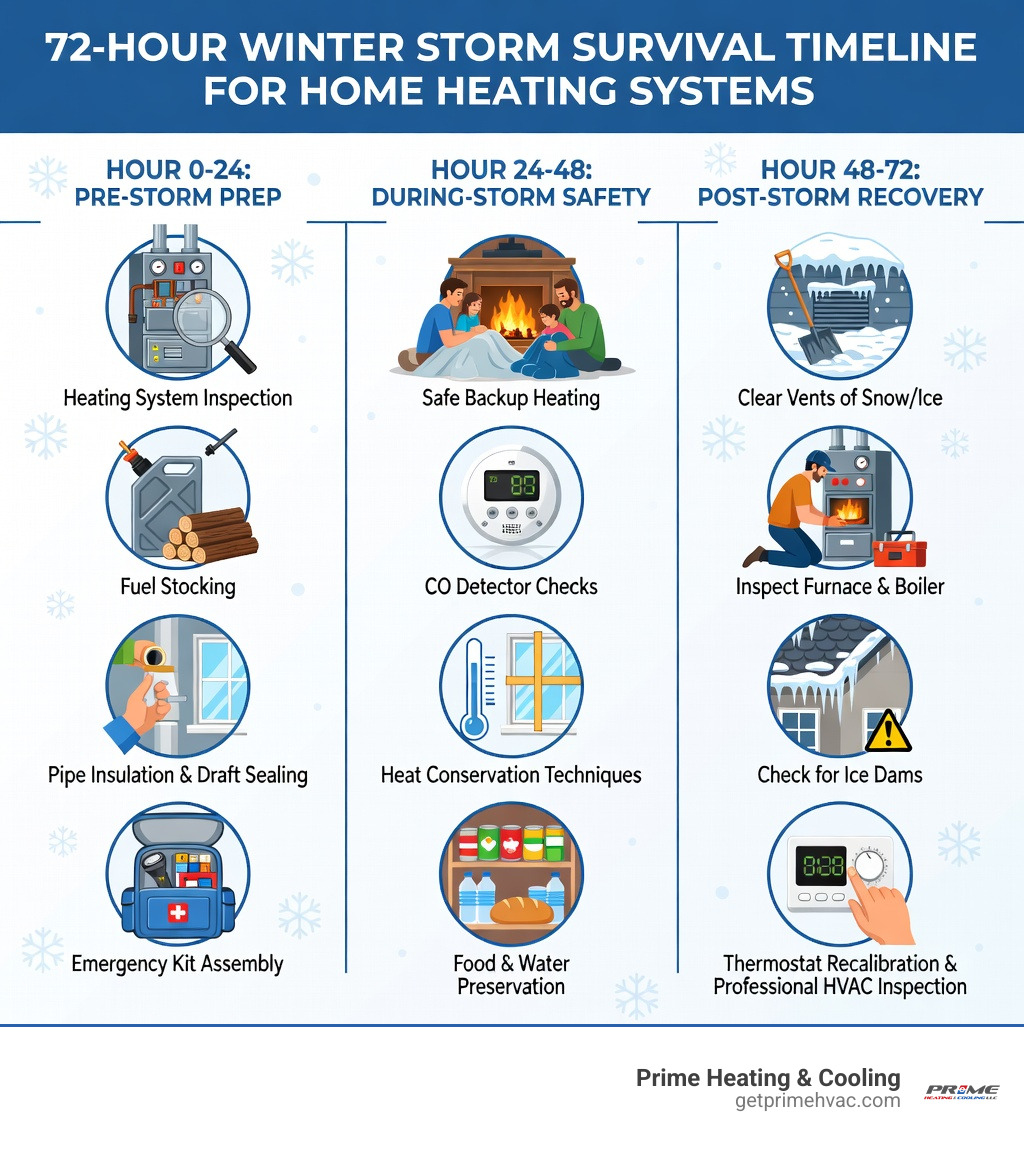
- Before the storm: Schedule a heating system tune-up, stock fuel reserves, seal drafts, and insulate exposed pipes
- During a power outage: Use backup heating safely, prevent carbon monoxide poisoning, and conserve indoor heat
- After the storm: Clear vents, inspect your furnace or heat pump, check for ice dams, and restore normal heating safely
Nor’easters are not ordinary snowstorms. They bring heavy snow, brutal wind chills, coastal flooding, and — most dangerously for homeowners — extended power outages that can knock out your heat for days.
The 2018 storm season is a stark reminder. Four nor’easters struck the Northeast in just three weeks, leaving over two million people without power. Temperatures stayed dangerously low the entire time. For many families, the heating system was the difference between staying home safely and scrambling for emergency shelter.
And the threat isn’t shrinking. A warmer atmosphere actually holds more moisture, which means heavier snowfall even as winters get shorter. The storms that do hit are hitting harder.
Your heating system — whether it’s an oil furnace, gas boiler, or modern inverter heat pump — is your first line of defense. But only if it’s ready.
I’m Tyler Steiner, CEO and founder of Prime Heating & Cooling, and I’ve spent my career helping Rhode Island and Massachusetts homeowners keep their heating systems running through some of the worst winters New England has thrown at us. This 2026 Nor’easter Snowstorm Survival Guide for Home Heating Systems pulls together everything I’ve learned on the job — so you’re not caught off guard when the next storm rolls in.
Quick look at 2026 Nor’easter Snowstorm Survival Guide for Home Heating Systems:
Preparing Your 2026 Nor’easter Snowstorm Survival Guide for Home Heating Systems
Preparation is the difference between a cozy weekend watching the snow fall and a frantic emergency call in the middle of a blackout. When we talk about the 2026 Nor’easter Snowstorm Survival Guide for Home Heating Systems, we aren’t just talking about having extra blankets. We’re talking about mechanical resilience.
A Nor’easter puts immense strain on your home. High winds can rattle loose components, while heavy, wet snow can block intake vents, causing your system to shut down exactly when you need it most. To get ahead of the weather, you need to think like a technician. Start by sealing the “envelope” of your home. Drafty windows and doors are the primary culprits for heat loss. Using heavy curtains, weatherstripping, or even rolled-up towels at the base of doors can significantly preserve heat in your home when you lose power.
Furthermore, efficiency is your best friend during a cold snap. A system that isn’t struggling to keep up will consume less fuel and experience less wear and tear. If you’re wondering how to lower your heating bills during a Rhode Island winter, the answer often lies in these simple sealing techniques and ensuring your thermostat is calibrated correctly for the season.

Essential Maintenance for a 2026 Nor’easter Snowstorm Survival Guide for Home Heating Systems
We’ve seen it happen too many times: a homeowner waits until the first blizzard of the year to turn on their heater, only to find it won’t kick over. For those in East Greenwich, Johnston, or Providence, an annual tune-up is not a luxury—it’s a necessity.
Our professional heating services involve a deep dive into your system’s health. We inspect burners for clogs, check heat exchangers for dangerous cracks, and ensure that all safety switches are functional. According to the Winter Storm Preparedness Checklist from Ready.gov, having your heating system serviced by a qualified technician is a top-tier priority.
Don’t forget the DIY basics:
- Change your air filters: A dirty filter restricts airflow, forcing the motor to work harder and potentially overheat.
- Clear the perimeter: Ensure there is at least a 2-foot radius around outdoor units.
- Check the vents: Snow and ice can quickly block intake and exhaust pipes. If these are blocked, your furnace or boiler will shut down automatically to prevent carbon monoxide from backing up into your home.
Modern Inverter Heat Pumps and Extreme Cold Performance
There is a common myth that heat pumps don’t work in New England. While that might have been true twenty years ago, modern inverter technology has changed the game. Today’s cold-climate inverter heat pumps are designed to extract heat even when it feels like there isn’t any left outside.
Unlike traditional single-stage units that are either “on” or “off,” inverter heat pumps use variable-speed compressors. They act like a car with a sophisticated transmission, ramping up or down to maintain a steady temperature. Many of these units can operate effectively down to -22°F. During a Nor’easter, you might see steam rising from your outdoor unit—don’t panic! This is a normal part of the defrost cycle, melting away frost to keep the coils clear.
If you’re following a winter HVAC checklist in Rhode Island, consider how an upgrade might stabilize your home’s comfort.
| Feature | Standard Heat Pump | Cold-Climate Inverter Heat Pump |
|---|---|---|
| Low Temp Limit | Efficiency drops below 30°F | Heats effectively down to -22°F |
| Compressor | Single-speed (High energy use) | Variable-speed (High efficiency) |
| Comfort | Noticeable temp swings | Steady, consistent warmth |
| Backup Heat | Relies heavily on electric strips | Rarely needs backup strips |
Protecting Pipes and Conserving Indoor Heat
When the power goes out, the clock starts ticking for your plumbing. Frozen pipes are one of the most expensive consequences of a winter storm. To prevent this, we recommend insulating exposed pipes in unheated areas like basements, attics, or crawl spaces using foam sleeves or UL-listed heat tape.
The importance of HVAC tune-ups for Rhode Island winters extends to the peace of mind that your system won’t fail during a freeze. If the heat does go out, follow the CDC’s safety guidelines:
- Drip the faucets: A slow trickle of water—both hot and cold—keeps water moving and prevents pressure buildup that leads to bursts.
- Open cabinet doors: This allows the remaining warm air in your home to reach the pipes under sinks.
- Hunker down: Gather the family in one central room, seal the bottom of the door, and use blankets to create a “warm zone.” Heat rises, so moving to an upper floor can sometimes buy you a few extra degrees of warmth.
Emergency Safety and Post-Storm Recovery
Safety during a storm isn’t just about staying warm; it’s about avoiding the hidden “silent killers” that emerge during power outages. When the grid goes down in Warwick or Coventry, many people turn to portable generators or space heaters. While these are great tools, they require strict adherence to safety protocols.
Carbon monoxide (CO) is an odorless, colorless gas that can be fatal. It is produced by any fuel-burning device, including generators, charcoal grills, and even gas ranges used improperly for heat. Always ensure you have battery-operated CO detectors installed on every level of your home.
Furthermore, keep an eye on your family for signs of hypothermia (uncontrollable shivering, disorientation, slurred speech) and frostbite (numbness, white or grayish-yellow skin). If a person’s body temperature drops below 95°F, it is a medical emergency.
Safe Backup Heating and CO Poisoning Prevention
If you use a generator, the “20-foot rule” is your golden rule. A generator should never be operated inside a garage, basement, or even near an open window. It must be at least 20 feet away from the house with the exhaust pointing away from any doors or vents.
For those using space heaters, remember the “3-foot rule.” Keep at least three feet of space between the heater and anything that can burn—curtains, furniture, or bedding. Also, never plug a space heater into a power strip; they draw too much current and can cause a fire. Plug them directly into the wall outlet.
We cover these safety essentials in The Secret to a Warm Home: A Comprehensive Guide to Heating System Tune-Ups. Additionally, local utilities like National Grid provide critical updates on gas safety and power restoration during major events. If you ever smell gas (like rotten eggs), leave the house immediately and call for help from a neighbor’s phone.
72-Hour Emergency Kits for Home and Vehicle
The first 72 hours of a major Nor’easter are the most critical. Emergency services may be delayed by unplowed roads or downed power lines. Your home kit should include:
- Water: One gallon per person per day.
- Food: High-energy, non-perishable items like nuts, dried fruit, and canned goods.
- Communication: A battery-powered or hand-crank NOAA Weather Radio.
- Lighting: Flashlights with extra batteries (avoid candles to prevent fire risk).
Don’t forget your vehicle. Weather-related crashes injure over 418,000 people annually. If you must travel in North Smithfield or Lincoln, keep a survival kit in your trunk containing blankets, a shovel, ice melt, a first-aid kit, and jumper cables. For more regional specifics, check the Rhode Island Department of Health’s winter storm guide. Understanding HVAC maintenance every homeowner should know also helps you understand how your home’s systems might react to these extreme conditions.
Post-Storm Checklist for a 2026 Nor’easter Snowstorm Survival Guide for Home Heating Systems
Once the winds die down and the sun comes out, the work isn’t over. Your heating system needs a post-game inspection. Before you crank the thermostat back up, follow this checklist:
- Clear the Vents: Use a shovel or broom to clear a 3-foot radius around your furnace or boiler exhaust and intake pipes. Do not use a sharp metal tool that could puncture the PVC.
- Check for Ice Dams: Look at your roofline. If you see thick ridges of ice, they can back up water under your shingles and eventually into your walls, damaging your HVAC ductwork.
- Inspect the Outdoor Unit: For heat pump owners, ensure the unit isn’t buried in a drift. It needs airflow to function.
- Test the Thermostat: If the power flickered, your thermostat might need a reset or new batteries to resume its schedule.
At Prime Heating & Cooling, we are here to help you navigate the aftermath. Whether you need a quick inspection or expert heating repair in Rhode Island, our team is available 24/7. Following winter storm recovery guidelines can help you prioritize your repairs safely.
By following this 2026 Nor’easter Snowstorm Survival Guide for Home Heating Systems, you’re doing more than just protecting a machine—you’re protecting your home and your family. Stay warm out there, Rhode Island!