What Every Homeowner Should Know About AC Air Handler Repair
AC air handler repair is one of the most common HVAC service needs — and catching problems early can save you from a sweltering home and a costly breakdown.
Here’s a quick look at the most common air handler problems and fixes:
| Problem | Likely Cause | Quick Action |
|---|---|---|
| Weak or no airflow | Dirty filter, blocked vents, faulty blower motor | Replace filter, check vents |
| Unusual noises | Loose components, worn bearings, broken belt | Turn off unit, call a pro |
| Musty or foul odors | Mold or mildew in ducts or drain pan | Inspect drain pan, call a pro |
| AC not turning on | Tripped breaker, dead thermostat batteries, dirty filter | Check breaker and thermostat |
| Water leaks | Clogged condensate drain, frozen evaporator coil | Clear drain line, check filter |
| Rising energy bills | Reduced efficiency, overworked system | Schedule professional tune-up |
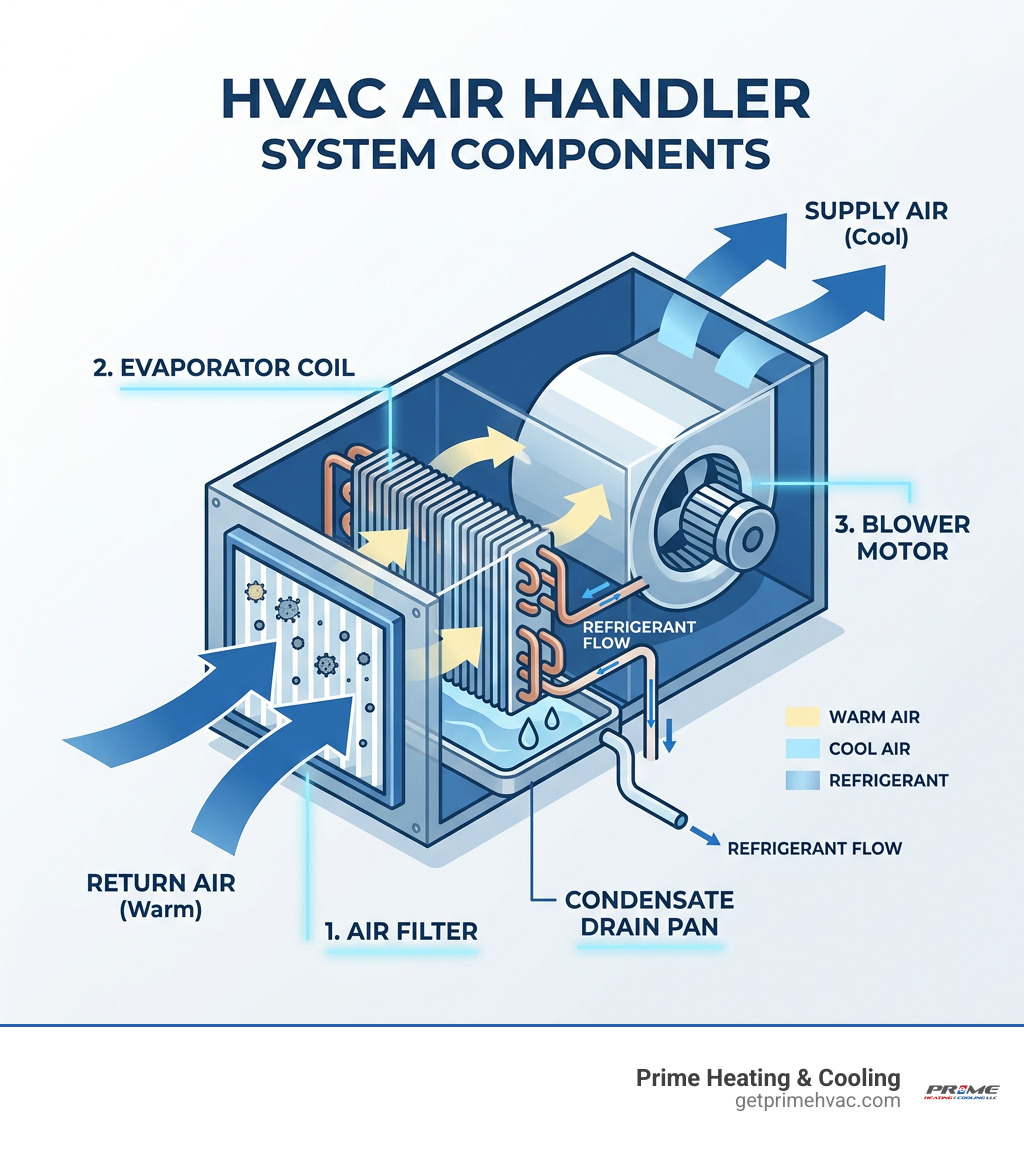
Your air handler is the indoor workhorse of your AC system. It pulls in warm air, passes it over cold evaporator coils, and pushes cool air back through your home. When it starts to fail, your whole home feels it — uneven temperatures, poor air quality, and higher energy bills are all red flags.
The good news? Many air handler issues start small and are easy to fix when caught early.
I’m Tyler Steiner, founder of Prime Heating & Cooling and a New England Institute of Technology-trained HVAC professional with years of hands-on experience diagnosing and performing AC air handler repair across Rhode Island and Massachusetts. In this guide, I’ll walk you through everything you need to know — from spotting early warning signs to knowing when to call in a pro.
Common Signs and Causes for AC Air Handler Repair
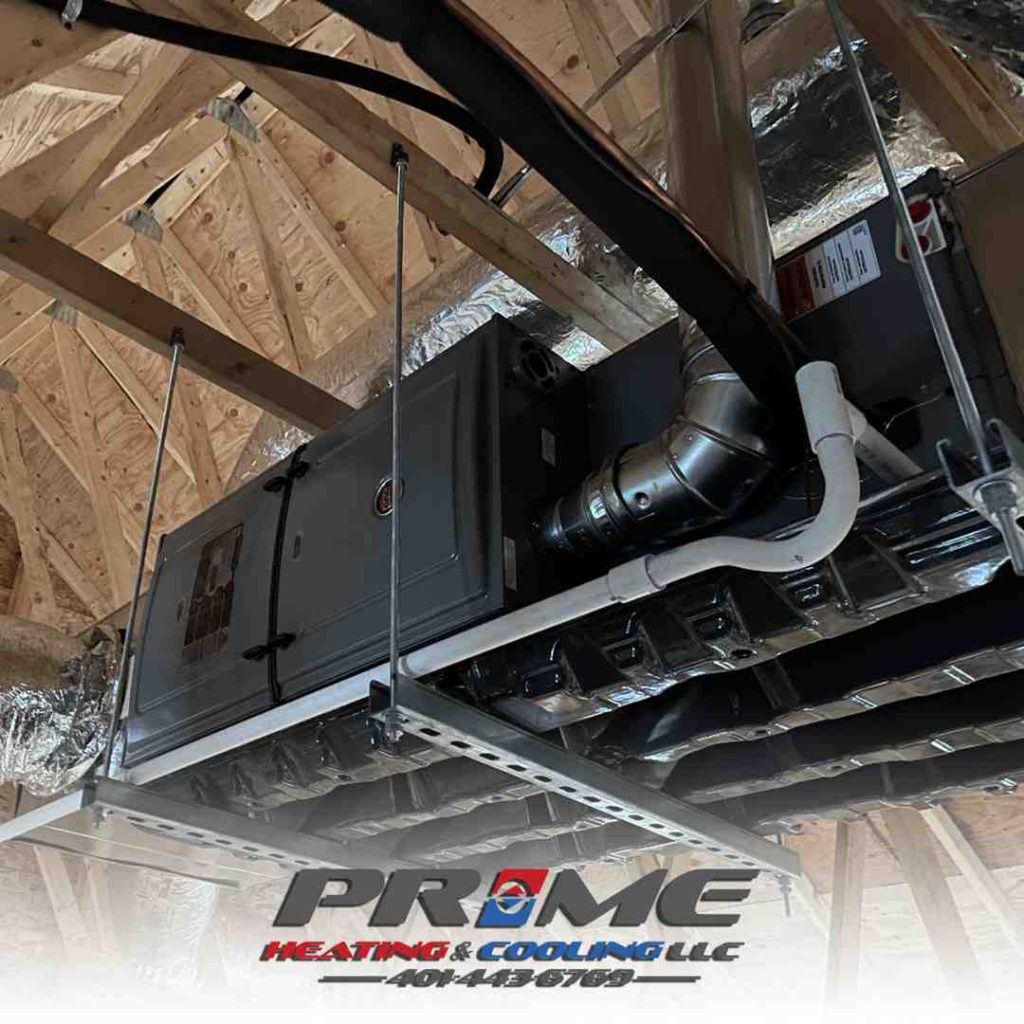
When we talk about the air handler, we are referring to the large metal box usually found in your attic, basement, or a dedicated closet. It houses the blower motor, the evaporator coils, and the filtration system. Because it is the “lungs” of your home, any malfunction here directly impacts your comfort.
The Role of the Air Handler
The air handler’s primary job is circulation. It works in tandem with your outdoor condenser unit. While the condenser handles the heavy lifting of heat dissipation outside, the air handler manages the air inside. If your system turns on but isn’t cooling properly, or if the air velocity feels weak, the air handler is usually the first place we look. According to the Department of Energy, reduced airflow velocity is one of the top three reasons homeowners call for AC service.
Recognizing the Red Flags
How do you know you need AC air handler repair? Your system will usually try to tell you through a variety of sights, sounds, and smells:
- Reduced Airflow: If you hold your hand up to a vent and feel a gentle breeze instead of a strong gust, you likely have a blower motor issue or a severely clogged filter.
- Unusual Noises: A healthy air handler should “purr like a kitten,” not “sound like an angry tiger.”
- Banging or Rattling: Often indicates a loose component or debris hitting the fan blades.
- Grinding or Squealing: This usually points to worn-out bearings in the motor or a failing belt.
- Musty Odors: If your vents are blowing air that smells like a damp locker room, you likely have mold or mildew growth on the coils or in the drain pan.
- Frozen Evaporator Coils: If you see ice forming on the indoor unit, it’s a sign of restricted airflow or a refrigerant leak.
Troubleshooting Airflow and Noise Issues
The heart of your air handler is the blower motor. This component is responsible for pushing conditioned air through your ductwork. When airflow drops, it’s often because the motor is struggling or the fan blades are weighted down by years of dust.
If you hear a high-pitched squeal, it might be a simple belt replacement or a sign that the motor bearings need lubrication. However, ignoring these sounds can lead to a total motor burnout. For a deeper dive into these specific mechanical issues, check out our guide on AC fan repair and replacement: fixing cooling system airflow problems.
Dirty air filters are the most common (and preventable) cause of airflow issues. A clogged filter forces the motor to work twice as hard, which can lead to overheating and electrical failure. We recommend checking your filters every 30 to 90 days, especially during the humid Rhode Island summers in towns like Warwick and Smithfield.
Dealing with Leaks and Odors in AC Air Handler Repair
Water pooling around the base of your indoor unit is a clear sign that something is wrong. Your air handler doesn’t just cool the air; it dehumidifies it. The moisture pulled from the air collects on the evaporator coils and drips into a condensate pan.
If the drain line becomes clogged with algae or debris, that water has nowhere to go but out onto your floor. This moisture, combined with dust, creates the perfect breeding ground for mold and mildew. If you notice water buildup, you should act fast to prevent structural damage and health risks. You can find more specific steps in our article on how to tackle your AC evaporator coil leak.
Musty odors aren’t just unpleasant; they indicate poor indoor air quality. Bacteria growth inside the dark, damp environment of an air handler can circulate through your entire home in East Greenwich or North Providence, potentially triggering allergies or respiratory issues.
When to DIY vs. Calling a Professional for AC Air Handler Repair
We know many Rhode Island homeowners are handy and like to tackle home projects themselves. However, when it comes to AC air handler repair, there is a fine line between a safe “quick fix” and a dangerous mistake.
Safe DIY Troubleshooting Steps:
- Check the Thermostat: Ensure it is set to “Cool” and the temperature is lower than the room’s current temp. Replace batteries if the screen is blank.
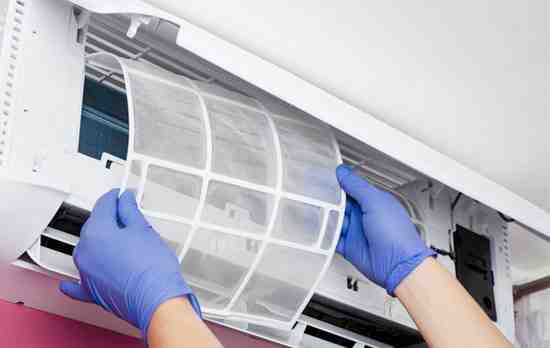
- Inspect the Air Filter: If it’s grey or caked with dust, replace it immediately.
- Check the Circuit Breaker: If the unit won’t turn on, check your home’s electrical panel for a tripped breaker.
- Clear the Area: Ensure there are at least two feet of clearance around the unit and that no vents are blocked by furniture.
When to Call Prime Heating & Cooling:
- Electrical Faults: If you smell “electrical burning” or see sparks, turn off the power at the breaker and call us. Handling high-voltage components without proper training is extremely dangerous.
- Refrigerant Issues: If your coils are frozen or you hear a hissing sound, you likely have a refrigerant leak. Handling refrigerant requires EPA certification and specialized tools.
- Mechanical Failure: If the blower motor has seized or the control board has fried, these require professional diagnostic equipment to fix correctly.
For more tips on what you can safely handle at home, read our guide on DIY AC troubleshooting.
Maintenance, Costs, and the Repair vs. Replace Dilemma
Maintaining your air handler is very much like maintaining your car. You wouldn’t drive 50,000 miles without an oil change, and you shouldn’t run your AC for years without a professional tune-up.
Preventive Maintenance to Extend System Lifespan
Statistics show that an air handler generally lasts between 10 to 15 years. However, that lifespan is heavily dependent on how well it is maintained. Regular maintenance doesn’t just prevent breakdowns; it keeps your energy bills from skyrocketing.
Our Recommended Maintenance Checklist:
- Filter Changes: Replace disposable filters every 1-3 months.
- Coil Cleaning: Dust and grime on evaporator coils insulate them, making it harder for the refrigerant to absorb heat.
- Drain Line Flushing: We use specialized tools to clear out algae and prevent the dreaded “clogged drain” water leak.
- Lubrication: Moving parts like the blower motor need periodic lubrication to reduce friction and heat.
- Electrical Tightening: We check all wiring connections to ensure they haven’t loosened due to system vibrations.
Routine maintenance is the best way to maximize the longevity and efficiency of your air conditioner. As noted by Energy.gov, professional servicing ensures your system is operating at peak performance, which is vital during our humid New England summers. For a broader look at keeping your system healthy, see our common AC problems and troubleshooting tips.
Repair vs. Replace: Making the Right Investment
Eventually, every homeowner faces the question: Should I keep fixing this old unit, or is it time for a new one?
There are a few factors we use to help our customers in Smithfield and Johnston make this decision:
- The Age of the System: If your air handler is over 12 years old and requires a major repair (like a blower motor or evaporator coil replacement), it is often more cost-effective to replace it.
- Frequency of Breakdowns: If we’ve been to your house three times in the last two years for different repairs, your system is likely reaching the end of its reliable life.
- Energy Efficiency: Newer air handlers feature variable-speed technology. Unlike older motors that are either “on” or “off,” variable-speed motors can run at lower speeds to maintain a constant, comfortable temperature while using significantly less electricity.
- SEER Ratings: Modern units have much higher SEER (Seasonal Energy Efficiency Ratio) ratings. Upgrading can often pay for itself over time through lower monthly utility bills.
Repair vs. Replace Comparison Table
| Factor | Favor Repair | Favor Replacement |
|---|---|---|
| Age | Under 10 years | Over 12-15 years |
| Repair Cost | Minor (under 25% of new unit cost) | Major (over 50% of new unit cost) |
| Performance | Cools evenly, low bills | Uneven cooling, high bills |
| Technology | Standard efficiency is fine | Want smart home/variable speed features |
| Refrigerant | Uses R-410A | Uses obsolete R-22 (Freon) |
Professional Solutions with Prime Heating & Cooling
At Prime Heating & Cooling, we pride ourselves on being the local experts for AC air handler repair in Rhode Island. Whether you are in Coventry, Scituate, or the East Side of Providence, our NATE-certified technicians are ready to restore your comfort.
We offer 24/7 emergency service because we know that AC units never seem to break down at a “convenient” time. With 20 years of experience, we focus on reliable, energy-efficient solutions that put the customer first. We don’t just patch the problem; we look at the whole system to ensure your air handler, ductwork, and outdoor unit are all working in harmony.
If you are noticing weak airflow, strange noises, or rising bills, don’t wait for the system to fail completely. Catching a small issue today prevents a major headache tomorrow. From North Scituate to Lincoln, we are your partners in home comfort.
Ready to get your system back in peak shape? Explore our full range of Prime HVAC services or contact us today to schedule your professional air handler inspection. We’ll help you decide the best path forward to keep your home cool and your energy bills low.