What to Do When Your Furnace Is Blowing Cold Air
A furnace blowing cold air is one of the most common heating complaints we hear from New England homeowners — especially when temperatures drop fast and you need heat now.
Here are the most likely causes and what to do first:
| Cause | Quick Fix |
|---|---|
| Thermostat fan set to “ON” | Switch fan setting to “AUTO” |
| Dirty air filter | Replace the filter |
| Pilot light or ignition failure | Relight pilot or reset furnace |
| Furnace still warming up | Wait 5–10 minutes |
| Gas supply interrupted | Check gas valve is fully open |
| Overheating / limit switch tripped | Let furnace cool 30 min, then restart |
| Clogged condensate line | Clear the drain line |
Most of these fixes take under 15 minutes. But if cold air keeps coming after you’ve checked the basics, it’s time to call a professional — don’t wait, especially during a New England winter. Contact Prime Heating & Cooling for fast, same-day furnace repair.
It’s a scenario every homeowner dreads: a bitter cold morning, you turn on the heat, and instead of warm air filling the room, you get a chilly breeze blowing through the vents. Frustrating doesn’t quite cover it.
The good news? Many causes are simple to fix yourself. Others signal a deeper mechanical problem that needs a trained technician. This guide walks you through both — clearly and quickly.
I’m Tyler Steiner, CEO and founder of Prime Heating & Cooling, and I’ve spent years diagnosing and repairing every variation of a furnace blowing cold air across Rhode Island and Massachusetts. In this guide, I’ll walk you through exactly what to check, what to fix yourself, and when to call us.
Why is My Furnace Blowing Cold Air?
When you feel a draft instead of a toast blast, your first thought is probably that the furnace is broken. However, it’s often just a communication breakdown between your thermostat and the unit. One of the most common reasons for a furnace blowing cold air is simply having the thermostat fan setting set to “ON” rather than “AUTO.”
When the fan is set to “ON,” the blower motor runs 24/7, regardless of whether the furnace is actually heating air. This means that during the “off” cycles when the burners aren’t firing, the system is just circulating room-temperature air. To the touch, this air feels cold because it’s lower than your body temperature. Switching to “AUTO” ensures the fan only blows when the air is being actively heated.
Another major culprit is restricted airflow. Your furnace needs to “breathe” to work. If it can’t pull in enough air because of a dirty filter, it will overheat. Modern furnaces are smart; they have safety sensors that shut down the burners if things get too hot, while keeping the fan running to cool the heat exchanger down. This results in—you guessed it—cold air coming out of your vents.
According to research on Why is My Furnace Blowing Cold Air, and What Do I Do About It?, ignition failure is another top-tier reason. If the pilot light goes out or the electronic igniter fails, the blower might still engage, but there’s no fire to heat the air.
| Simple Thermostat/User Errors | Mechanical Furnace Failures |
|---|---|
| Fan set to “ON” instead of “AUTO” | Faulty or dirty flame sensor |
| Thermostat set to “COOL” or “OFF” | Cracked or glowing igniter failure |
| Dirty or clogged air filter | Stuck or closed gas valve |
| Tripped circuit breaker | Failed high-limit safety switch |
| Dead thermostat batteries | Clogged condensate drain line |
If you’ve checked these basics and the air is still chilly, don’t let your home turn into an ice box. We provide expert diagnostics across Rhode Island, from Woonsocket down to East Greenwich. Schedule a professional furnace inspection with Prime Heating & Cooling today.
Is it normal for a furnace to blow cold air at startup?
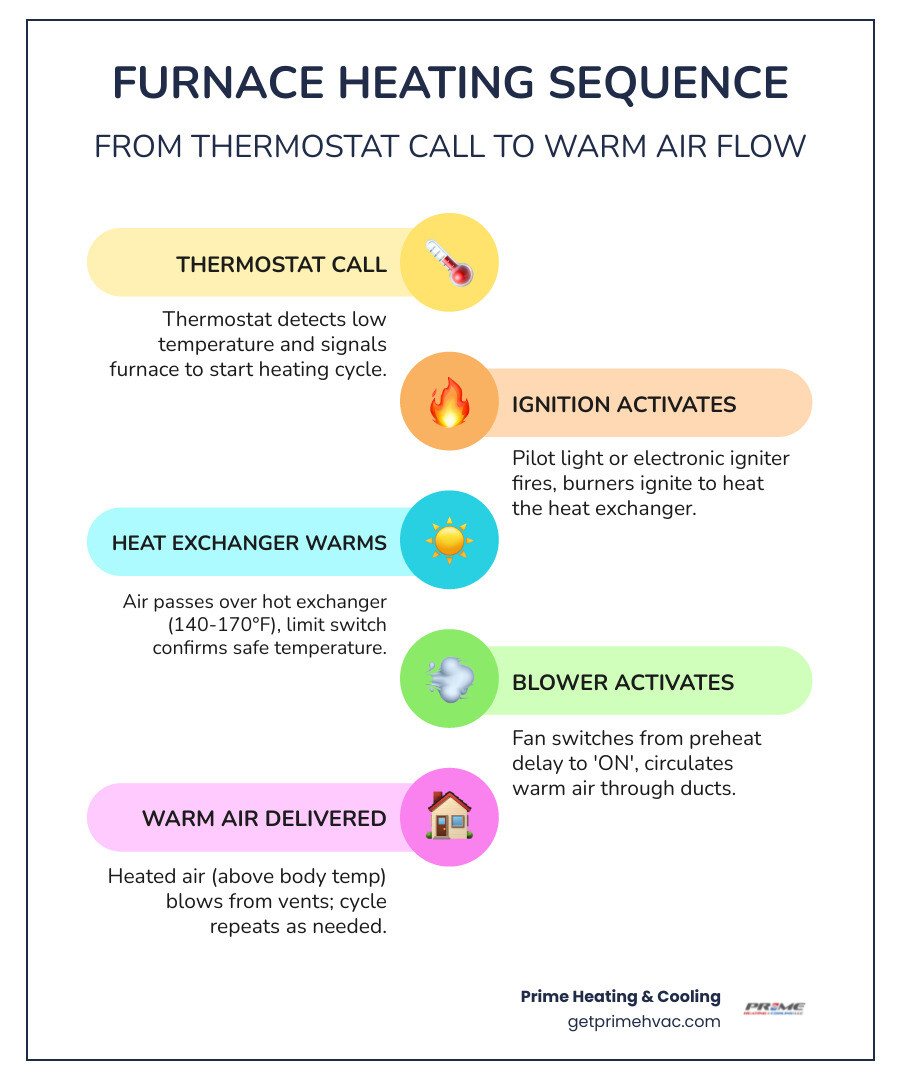
Yes, to an extent! Think of your furnace like a car on a frosty Providence morning in April 2026. It needs a moment to warm up. When the furnace first kicks on, there is “residual air” sitting in your ductwork. This air is the same temperature as your house (or colder if the ducts run through an unconditioned attic or crawlspace).
The blower starts moving that cold air out of the way before the heat exchanger has reached its full operating temperature. Generally, furnaces produce air between 140° and 170°F. It can take anywhere from 1 to 10 minutes for the system to purge the cold air and start delivering that cozy warmth you’re looking for. If the air is still cold after 15 minutes, you definitely have a problem that needs troubleshooting.
Common mechanical causes of a furnace blowing cold air
If the simple fixes don’t work, we usually look at the “internal organs” of the furnace. A very common issue is a dirty flame sensor. This little metal rod tells the furnace that a flame is present. If it’s covered in carbon or soot, it can’t “see” the fire and will shut the gas off as a safety precaution. The blower keeps running, but the heat is gone.
Electronic ignition systems have largely replaced pilot lights in modern homes. If the igniter is cracked or worn out, it won’t light the gas. Furthermore, the gas valve itself might be stuck. If the furnace thinks it’s lighting a fire but no gas is flowing, it will eventually enter a “lockout mode” for safety.
Another critical component is the high-limit switch. This is the “brain” that monitors the temperature inside the furnace. If it detects overheating—often caused by that dirty filter we mentioned—it kills the burners immediately. You can read more about these protective measures in our guide on The Chilling Truth Reasons Your Furnace Isnt Heating.
DIY Troubleshooting Steps to Fix a Furnace Blowing Cold Air
Before you panic and assume you need a whole new system, there are several DIY steps you can take to get the heat back on. These steps are safe for most homeowners and can save you a service call.
First, try the “IT approach”: turn it off and back on again. You can do this by switching the thermostat to “OFF,” waiting a minute, and then turning it back to “HEAT.” If that doesn’t work, find the power switch on the side of the furnace (it looks like a light switch) or flip the circuit breaker. This can sometimes reset the control board and clear a temporary “lockout” error.
Next, check your thermostat batteries. If the screen is fading or blank, the thermostat might not be sending a strong enough signal to the furnace to keep the burners running. It’s a $5 fix that solves a lot of “broken” furnace calls in North Providence and Smithfield.
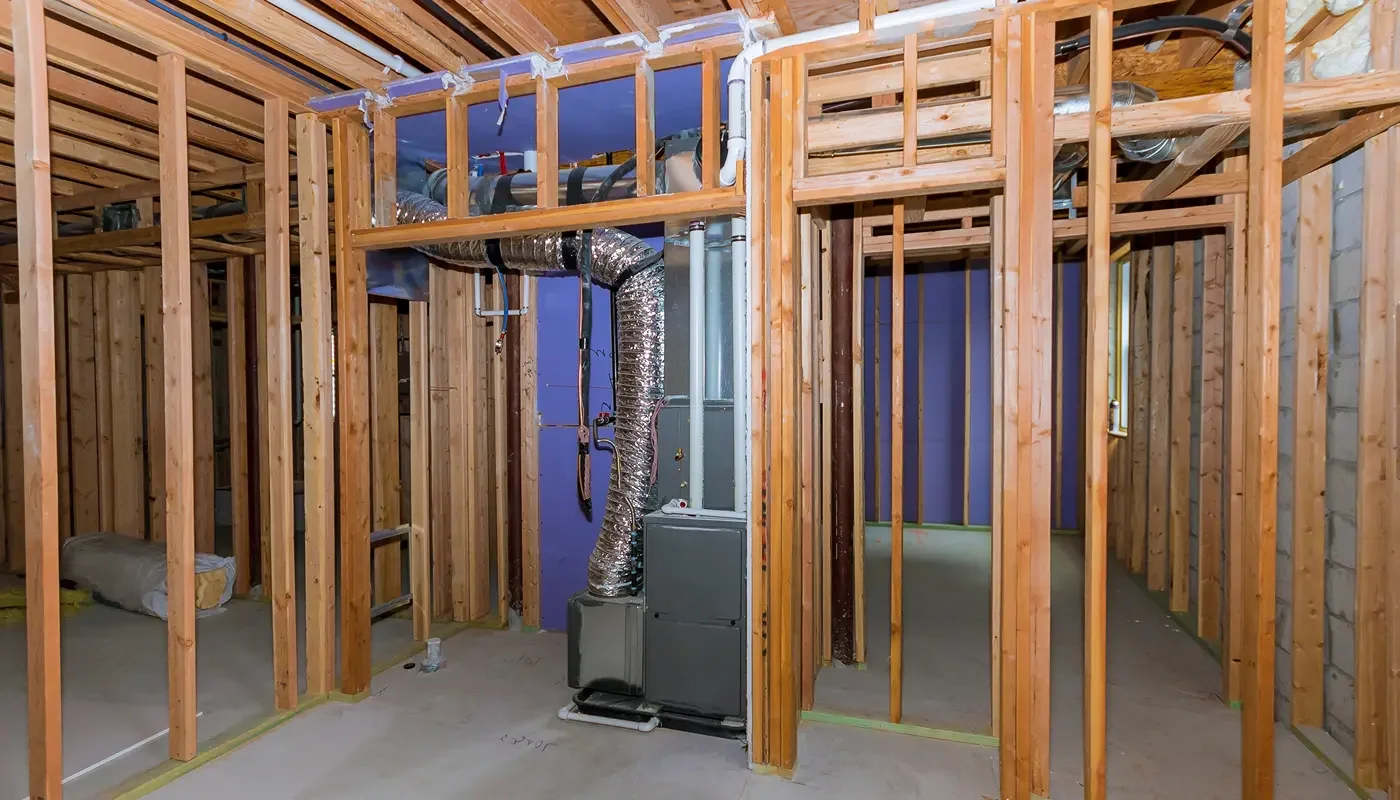
If you have a high-efficiency furnace (usually identified by white PVC vent pipes), check for a clogged condensate line. These systems produce water as they run. If the drain line gets backed up with gunk or dust, a safety float switch will shut the whole system down to prevent a flood. For more detailed steps, check out 11 Reasons Why Your Furnace Isn’t Blowing Hot Air and How to Fix It or our own troubleshooting tips at Dont Get Cold Feet Troubleshooting Your Floor Furnace.
How to check and fix thermostat settings causing cold air
It sounds silly, but double-check that the thermostat is actually in “HEAT” mode. Sometimes, during those weird Rhode Island weeks where it’s 60 degrees one day and 30 the next, someone might have switched it to “COOL” or “OFF” and forgotten to switch it back.
Also, check the temperature differential. If your house is 68 degrees and the thermostat is set to 68, the furnace isn’t going to kick on. Crank it up to 72 just to see if the burners ignite. And as we mentioned earlier, ensure the fan is set to “AUTO.” This is the most frequent cause of a furnace blowing cold air when the system is otherwise healthy. For a deeper dive into thermostat quirks, see Dont Get Left In The Cold Fixing Your Furnaces Chilly Blast.
Cleaning the flame sensor and checking the pilot light
If you have an older furnace, it might have a standing pilot light. If a draft or a gas hiccup blew it out, your furnace won’t heat. You can usually relight these yourself following the instructions on the furnace door, but if it keeps going out, you likely have a faulty thermocouple—the safety device that senses the pilot flame.
On newer units, the flame sensor is often the culprit. If you’re comfortable opening the furnace cabinet (with the power OFF!), you can locate the flame sensor—a thin, bent metal rod near the burners. If it looks black or sooty, you can gently clean it with a piece of fine-grit sandpaper or a clean dollar bill. This removes the oxidation and allows the sensor to detect the flame again.
If you’re not comfortable poking around the ignition sequence, don’t worry—that’s what we’re here for. We handle these calls daily in Warwick and Coventry. Check out our advice on The Silent Furnace What To Do When Your Heater Wont Light or just give us a call.
Serious Risks and When to Call a Professional
While we love a good DIY win, some furnace issues are dangerous. If you smell “rotten eggs” (the scent added to natural gas), hear loud banging or metal-on-metal screeching, or see soot around the furnace, stop what you’re doing. Turn off the gas and call us immediately.
One of the most serious risks is a cracked heat exchanger. This is the metal component that separates the toxic combustion gases (like carbon monoxide) from the air blowing into your home. If it cracks, those gases can leak into your living space. Since carbon monoxide is odorless and colorless, this is a life-threatening issue. A furnace blowing cold air can sometimes be a symptom of a system that has shut itself down to prevent a CO leak.
Another invisible thief of comfort is duct leakage. In a typical house, about 20 to 30 percent of the air that moves through the duct system is lost due to leaks, holes, and poorly connected ducts. If your furnace is working fine but the air feels cold by the time it reaches your bedroom in Scituate, your ducts might be pulling in freezing air from the attic.
If your furnace has entered “lockout mode” (usually indicated by a flashing LED light on the control board), it has tried to ignite several times and failed. It won’t try again until it’s reset, but more importantly, it’s telling you something is wrong. You can find more about professional diagnostics at Heating Repair Ri and our Ultimate Checklist For Heating Repair Service.
Identifying gas supply and ignition system issues
Is your gas actually on? It sounds basic, but if you’ve had recent utility work in your Lincoln neighborhood or if you just moved in, the main gas valve might be closed. Check other gas appliances, like your stove or water heater. If they aren’t working either, the problem is with the supply, not the furnace.
If the gas is on but the furnace won’t light, the electronic igniter might be the problem. These components are fragile and have a limited lifespan. If you see a small crack on the igniter or if it doesn’t glow when the furnace starts its cycle, it needs replacement. This is a job for a pro to ensure the gas pressures and connections are handled safely. You can learn more about these repairs at Furnace Installation Repair Services.
The dangers of ignoring a furnace blowing cold air
Ignoring a furnace that isn’t working right is a recipe for disaster. A system that keeps trying to run while overheating can eventually lead to a fire hazard or the total failure of expensive components like the blower motor or the control board.
A furnace that is “short-cycling” (turning on and off rapidly) or blowing cold air is under immense stress. What could have been a simple cleaning or sensor replacement can quickly turn into a full system replacement if left unchecked. If your furnace is over 15–20 years old, it might be time to weigh the cost of repairs against a new, high-efficiency unit. We discuss this “fix or fly” moment in The Furnace Dilemma And When To Finally Replace It.
Preventing Future Heating Failures
The best way to deal with a furnace blowing cold air is to make sure it never happens in the first place. Maintenance isn’t just a “nice to have”—it’s essential for the longevity of your equipment.
- Annual Tune-Ups: We recommend a professional inspection every autumn. We clean the burners, check the heat exchanger for safety, test the sensors, and ensure your gas pressure is correct. This prevents 90% of the “no heat” calls we get in the winter.
- Filter Replacement: Change your filters every 90 days at a minimum. If you have pets or allergies, once a month is better. This is the single most important thing you can do for your furnace’s health.
- Duct Sealing: Since 20-30% of air is lost in ducts, having them professionally sealed can make your home feel much warmer without the furnace working any harder.
- Clear the Vents: Make sure furniture, rugs, or curtains aren’t blocking your return or supply vents. If the furnace can’t circulate air, it will overheat and shut down.
For those in tricky spaces or older Rhode Island homes, you might even consider different equipment types, like those discussed in Unpacking Horizontal Furnaces Are They Right For Your Tricky Spaces. And when you are ready for a new system, we have a Step By Step Guide To Hiring Furnace Installers to help you make the right choice.
Frequently Asked Questions
How long does it typically take for a furnace to start blowing warm air after fixes?
Once a fix is applied (like replacing a filter or relighting a pilot), it typically takes 5 to 15 minutes for the system to resume blowing warm air. The furnace must go through its safety checks, ignite the burners, and warm the heat exchanger before the blower kicks in to push that 140°–170°F air through your home.
What role does a dirty air filter play in causing cold air?
A dirty air filter is the #1 cause of furnace issues. It restricts the amount of cool air coming into the furnace. Without enough air to carry the heat away, the heat exchanger gets dangerously hot. To prevent the metal from cracking or melting, the “limit switch” shuts off the gas burners. However, the blower motor keeps running to try and cool the system down, resulting in cold air blowing through your vents.
How can overheating or a tripped limit switch cause cold air?
The limit switch is a safety “bouncer.” If the internal temperature of the furnace exceeds safe levels (usually due to a dirty filter or blocked vents), the limit switch trips and kills the flame. Because the thermostat is still calling for heat, the blower motor continues to run. Since there is no flame, the air being moved is cold. If this happens repeatedly, the furnace may go into a “hard lockout,” requiring a professional reset.
Conclusion
At Prime Heating & Cooling, we know that a furnace blowing cold air is more than just an inconvenience—it’s a threat to your family’s comfort and safety. With over 20 years of experience serving Rhode Island communities from Johnston to the East Side of Providence, we’ve seen it all.
Whether you need a simple thermostat adjustment or a complex heat exchanger repair, our skilled technicians are available 24/7 to get your heat back on. We pride ourselves on reliable, energy-efficient solutions and a customer-first approach that keeps our neighbors warm all winter long.
Don’t spend another night shivering or worrying about your heating system. If your DIY troubleshooting didn’t do the trick, let the pros handle it.
Schedule your professional furnace inspection today with Prime Heating & Cooling. Or call us now for 24/7 emergency service in Rhode Island and the surrounding areas. We’re here to make sure your home stays the cozy sanctuary it’s meant to be.