
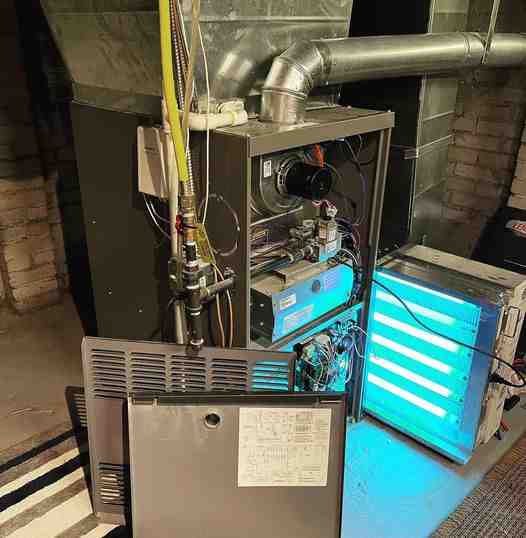
Why Your Furnace Blowing Cold Air Needs Immediate Attention
When your furnace blowing cold air hits you during a frigid New England winter, it’s more than an inconvenience—it’s an urgent problem that needs solving fast. Nothing compares to the disappointment of cranking up the heat only to feel icy air blasting from your vents while the temperature outside continues to drop.
Quick Diagnosis: Common Causes of a Furnace Blowing Cold Air
| Problem | Quick Check | DIY Fix? |
|---|---|---|
| Thermostat Settings | Fan set to “On” instead of “Auto” | ✓ Yes |
| Dirty Air Filter | Visible dirt/debris blocking filter | ✓ Yes |
| Pilot Light Out | No flame visible (older furnaces) | ✓ Maybe |
| Flame Sensor Dirty | Furnace starts then shuts off quickly | ✗ Professional |
| Gas Supply Issue | Other gas appliances not working | ✗ Professional |
| Leaky Ductwork | Warm air at furnace, cold at vents | ✗ Professional |
The good news? Some causes are simple fixes you can handle yourself in minutes. Others require professional help to diagnose and repair safely.
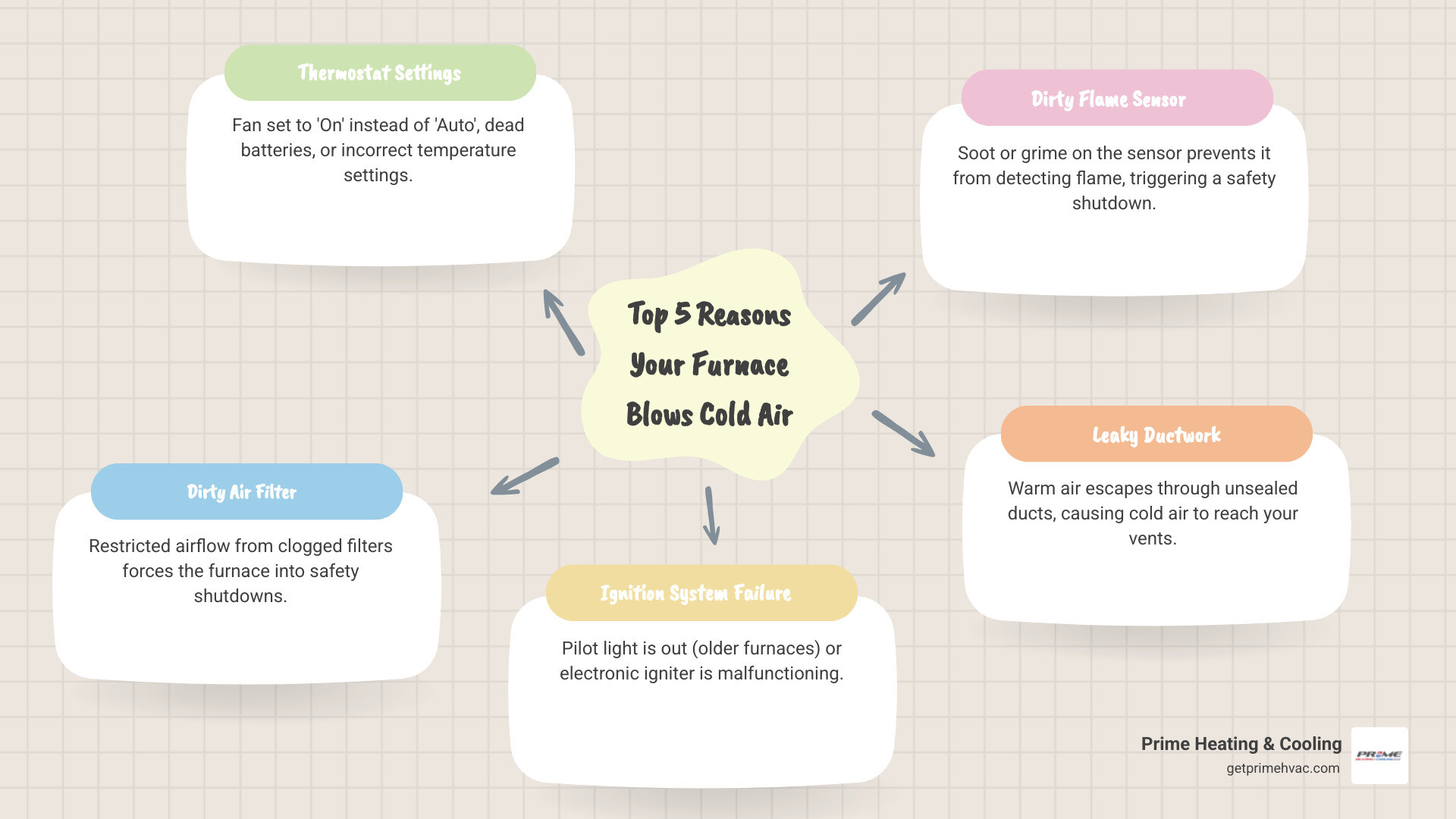
Understanding the most common culprits:
- Thermostat misconfiguration – Wrong fan setting or low batteries
- Restricted airflow – Clogged filters forcing safety shutdowns
- Ignition failures – Pilot lights or electronic igniters not working
- Fuel supply problems – Gas valves closed or empty propane tanks
- Safety mechanisms – High-limit switches protecting your system
- Component malfunctions – Dirty flame sensors or failed blower motors
I’m Tyler Steiner, founder of Prime Heating & Cooling, and over the past 20+ years, I’ve diagnosed countless cases of furnaces blowing cold air across Rhode Island and Massachusetts. My team and I have seen everything from simple thermostat errors to serious heat exchanger cracks—and I’m here to help you figure out which category your problem falls into.
This guide walks you through the diagnosis process step-by-step, starting with the simplest checks you can do yourself right now, then moving into more complex issues that require professional expertise. You’ll learn when it’s safe to troubleshoot on your own and when it’s time to call in the experts.
Simple DIY Checks for a Furnace Blowing Cold
Before you panic and envision a long, cold winter in your Providence or Smithfield home, let’s go through some easy checks. Many times, a furnace blowing cold air can be resolved with a few simple adjustments or a quick maintenance task. We always recommend starting with these quick fixes before diving into more complex troubleshooting.
The Thermostat: The Brain of the Operation
Your thermostat is the command center for your heating system, and often, it’s the first place we look when a furnace isn’t performing as expected.
First, check the mode setting. Is it set to “Heat”? Sometimes, especially during seasonal transitions, it might accidentally be on “Cool” or “Off.” Next, look at the fan setting. A common culprit for a furnace blowing cold air is when the fan is set to “On” instead of “Auto.” When the fan is set to “On,” it will continuously blow air, regardless of whether the furnace is actively producing heat. This means you’ll feel cold air circulating through your home, even if the heating cycle isn’t engaged. Switching the fan to “Auto” ensures the fan only blows when the furnace is generating warm air.
Also, confirm your desired temperature setting is higher than the current room temperature. If your home is already at or above the set temperature, your furnace won’t turn on to generate heat.
Don’t forget the batteries! Many thermostats run on batteries, and low or dead batteries can cause erratic behavior or completely shut down communication with your furnace. Replacing them is a quick and easy fix. For programmable or smart thermostats, ensure no schedule overrides or daylight savings time shifts are causing unexpected cooling cycles. Sometimes, a simple reset—turning the thermostat off for a minute and then back on—can resolve minor glitches.
For more insights on optimizing your heating system, consider that Why Fall is the Best Time to Upgrade Your Heating System in Rhode Island often brings a deeper dive into overall system efficiency.
Troubleshooting a Furnace Blowing Cold: The Air Filter
A dirty air filter is like trying to breathe through a pillow—it restricts airflow and makes your furnace work much harder. This isn’t just about efficiency; it’s a major safety concern.
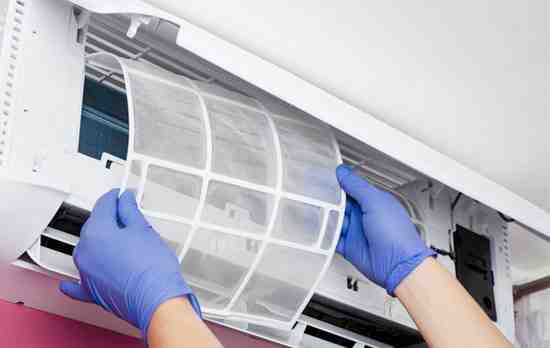
When your air filter is clogged with dust, pet dander, and debris, it severely restricts the airflow necessary for your furnace to operate correctly. This restricted airflow can cause your furnace to overheat. Modern furnaces are equipped with safety mechanisms, like a high-limit switch, that will shut down the heating elements to prevent damage from overheating. When this happens, the blower might continue to run, circulating only cold air.
We recommend checking and replacing your air filter regularly, typically every one to three months. The timing may vary based on filter size, household pets, and overall air quality in your Lincoln or Smithfield home. A clean filter ensures proper airflow, allowing your furnace to heat your home efficiently and safely. Neglecting filter changes is a common cause of a furnace blowing cold air and can lead to more expensive repairs down the line.
Regular filter changes are a crucial part of preventative maintenance. To learn more about the importance of keeping your HVAC system in top shape, check out The Importance of HVAC Tune-Ups for Rhode Island Winters.
Give It a Minute: The Warm-Up Cycle
Sometimes, patience is a virtue, especially when it comes to your furnace. It’s not always an instant blast of warmth.
When your furnace first kicks on, it’s normal for it to blow cold air briefly. This is part of its standard startup process, often referred to as a “blower delay.” The furnace needs a few minutes for the heat exchanger to warm up sufficiently before the blower fan starts circulating air. During this initial phase, the blower fan might run to clear out any cool air lingering in the ductwork. So, if you feel a puff of cold air right after the system turns on, don’t fret immediately. It typically takes anywhere from 5 to 15 minutes for your furnace to start blowing warm air after initiating a heating cycle.
If your furnace seems to be constantly turning on and off before it has a chance to properly heat your home, it might be “short-cycling.” This can also lead to inconsistent heating and a feeling that your furnace blowing cold air. For more on this common issue, read our guide on when a Furnace Keeps Turning On and Off.
Common Mechanical Faults and Ignition Issues
If the simple DIY checks haven’t resolved your furnace blowing cold air problem, we might be looking at some mechanical faults or issues with your furnace’s ignition system. These often require a bit more technical know-how, and in many cases, professional assistance.
Pilot Light & Ignition System Failures
The pilot light is the small flame that ignites the main burners in older gas furnaces. If it goes out, your furnace won’t be able to produce heat.
Many furnaces manufactured since 2010 no longer use a standing pilot light. Instead, they rely on electronic ignition systems. However, if you have an older model in your North Providence or East Greenwich home, a common reason for a furnace blowing cold air is an extinguished pilot light. This can happen due to a draft, a clog, or a malfunctioning thermocouple (a safety sensor that ensures the pilot light is lit before allowing gas to flow to the main burners). If your pilot light keeps going out, it could indicate a thermocouple issue, which often requires professional attention.
For furnaces with electronic ignition, a clicking sound at startup indicates the igniter is trying to light the burners. If you hear clicking but no flame, the igniter might be faulty or dirty. Relighting a pilot light can sometimes be a DIY task if you carefully follow your furnace’s manufacturer instructions, but if you’re uncomfortable or the problem persists, it’s best to call us. As experts, we often refer homeowners to resources like Why Is My Furnace Blowing Cold Air? for initial understanding, but emphasize caution with gas systems.
The Dirty Flame Sensor
Even modern furnaces aren’t immune to simple but disruptive problems like a dirty flame sensor. This small but mighty component plays a critical role in your furnace’s safety and operation.
The flame sensor is a safety device designed to detect the presence of a flame in the burner assembly. If the sensor doesn’t detect a flame when the gas valve is open, it will immediately shut off the gas supply to prevent a dangerous buildup of uncombusted gas. This safety feature is why your furnace blowing cold air might be a sign of a dirty sensor. Over time, soot and grime can accumulate on the flame sensor, insulating it and preventing it from properly “seeing” the flame. When this happens, the furnace will attempt to ignite, the burners will light briefly, and then the sensor will signal to shut everything down, often leading to rapid on-off cycling and cold air.
Cleaning a dirty flame sensor can sometimes be a DIY task if you’re comfortable with basic furnace maintenance. You’d typically turn off the power, locate the sensor (a thin metal rod), remove it, and gently clean it with fine-grit emery cloth or steel wool. However, if you’re unsure or the issue persists, our skilled technicians at Prime Heating & Cooling are here to help. Regular Heating Maintenance RI can prevent such buildup and ensure your flame sensor operates correctly.
Clogged Condensate Line
If you have a high-efficiency furnace or a condensing furnace in your Rhode Island home, a clogged condensate line can be a surprising reason for a furnace blowing cold air.
High-efficiency furnaces extract more heat from exhaust gases, which produces a byproduct: water vapor that condenses into liquid. This condensate collects in a pan and drains away through a PVC pipe, known as the condensate line. Over time, algae, dirt, or debris can cause a blockage in this line. When the condensate line clogs, the water backs up, triggering a safety switch that shuts down the furnace to prevent water damage. With the furnace burners deactivated, the system will only circulate cold air.
You might notice water pooling around the base of your furnace or hear gurgling sounds if the condensate line is clogged. Clearing the clog often involves locating the line, emptying the condensate pan, and carefully clearing any blockages, sometimes with a wet/dry vacuum. However, if the clog is deep or you’re dealing with a complex system, it’s always best to call a professional. While this link is primarily for boilers, understanding condensate management is key to overall heating system health: Boiler Installation & Repair Services.
System-Wide Problems and Safety Shutdowns
Sometimes, the issue isn’t with a single component but rather a broader system problem or a safety mechanism that has been triggered. These issues often require a more comprehensive diagnosis from our experienced technicians.
Leaky Ductwork Robbing Your Heat
Even if your furnace is producing plenty of warm air, leaks in your ductwork can make it feel like your furnace blowing cold air. This is a common problem in many homes across Rhode Island, especially in older properties.
Your ductwork is responsible for distributing heated air throughout your home. If there are leaks, gaps, or poorly connected sections in your ducts, that precious warm air can escape into unheated spaces like attics, basements, or wall cavities before it ever reaches your living areas. Simultaneously, these leaks can draw in cold air from those same unheated spaces, which then gets blown out of your vents, giving you the sensation of a furnace blowing cold air. This not only makes your home uncomfortable but also significantly increases your energy bills as your furnace works harder to compensate for the lost heat.
You can sometimes spot larger leaks visually, especially around joints or where ducts pass through walls. Small leaks can be sealed with mastic sealant or metal-backed tape. However, comprehensive duct inspection and sealing often require professional equipment and expertise. Properly insulated and sealed ducts not only keep the warm air in but also improve the overall efficiency of your heating system. For more on this, the Department of Energy provides excellent advice on Minimizing energy losses in ducts.
Fuel Supply Problems
No fuel, no heat. It sounds simple, but a lack of fuel supply is a straightforward reason for a furnace blowing cold air.
For gas furnaces, check if the gas valve to the furnace is open. It should be parallel to the gas line. If it’s perpendicular, it’s closed. If the valve is open, you might have a broader gas supply issue. Check if other gas appliances in your home (like your gas stove or water heater) are working. If they aren’t, there might be an issue with your main gas line or a utility outage. In such cases, contact your gas provider immediately.
For oil or propane furnaces, the solution might be as simple as checking your fuel tank level. An empty or very low tank means your furnace has nothing to burn. Schedule a fuel delivery as soon as possible. Never let your tank run completely dry, as this can introduce air into the fuel lines, requiring a professional to bleed the system. A low gas supply can cause a furnace to shut off, leading to cold air, so ensuring a consistent fuel source is paramount.
Overheating and High-Limit Switch
Your furnace is designed with safety as a top priority. When it overheats, a crucial safety component steps in to prevent damage and potential hazards.
The high-limit switch is a safety device that automatically shuts down your furnace’s burners if the internal temperature gets too high. This is typically caused by restricted airflow, often due to a severely dirty air filter (as we discussed earlier), blocked return air vents, or even too many supply vents being closed. When the high-limit switch trips, the burners turn off, but the blower fan might continue to run to cool down the furnace, resulting in a furnace blowing cold air. This “short-cycling” can be frustrating and inefficient.
To troubleshoot, ensure all your registers and return vents are open and unobstructed. Check and replace your air filter if it’s dirty. If the problem persists, the high-limit switch itself might be faulty, or there could be a deeper issue causing the overheating. Resetting the switch (usually a small red button near the blower motor) might temporarily get your furnace running, but if it trips again, it’s a clear sign that a professional needs to investigate the underlying cause. For expert advice on maintaining your heating system, consult resources like Expert Tips for Choosing the Right Heating Installation Service for Your Home.
When to Call an HVAC Professional in Rhode Island
While some issues causing a furnace blowing cold air can be tackled with DIY enthusiasm, there are definite moments when it’s time to step back and call in the experts. Your safety, and the longevity of your heating system, are our top priorities.
Signs of a Serious Problem
Knowing when to call a professional for your furnace blowing cold air is crucial. Here are some red flags that indicate it’s time for our skilled technicians at Prime Heating & Cooling to step in:
- Gas or Rotten Egg Smell: This is an immediate emergency. Natural gas is odorless, but utility companies add a distinct “rotten egg” smell to help detect leaks. If you smell gas, evacuate your home immediately, do not use any electrical switches or phones, and call your gas company and us from a safe location.
- Burning Electrical Odors: A smell like burning plastic or melting wire indicates overheating electrical components. Shut off your furnace at the breaker and call for emergency repair.
- Loud Banging, Grinding, or Squealing Noises: These sounds often point to mechanical failures within the furnace, such as a failing blower motor, a cracked heat exchanger, or issues with other internal components.
- Persistent Issues After DIY Checks: If you’ve gone through all the simple thermostat and filter checks, and your furnace is still blowing cold air, it’s time for professional diagnosis. Complex issues like faulty circuit boards, pressure switch problems, or igniter failures require specialized tools and expertise.
- Water Leaks: Beyond a simple condensate line clog, water leaks can indicate more serious internal damage.
Our team at Prime Heating & Cooling serves homes across Rhode Island, including Johnston, Scituate, Warwick, and the East Side of Providence. We’re ready to provide How to Get Quick and Reliable HVAC Repairs Near You whenever you need us.
The Dangers of a Cracked Heat Exchanger
One of the most serious and potentially life-threatening reasons your furnace blowing cold air could be occurring is a cracked heat exchanger. This is not a DIY fix and requires immediate professional attention.
The heat exchanger is the component that separates the combustion gases (containing carbon monoxide) from the air that circulates into your home. If this component cracks, carbon monoxide (CO) can leak into your home’s air supply, posing severe health risks. Carbon monoxide is a colorless, odorless gas that can cause flu-like symptoms, dizziness, nausea, and even death.
Signs of a cracked heat exchanger can include:
- A persistent, unusual smell (like formaldehyde) when the furnace runs.
- Soot buildup in the furnace’s burner area.
- A flickering or yellow burner flame (it should be blue).
- Physical symptoms in household members (headaches, nausea, dizziness).
Furnaces typically last around 15 years. If your furnace is approaching this age or older, the risk of a cracked heat exchanger increases. If we suspect this issue during a service call, we will immediately shut down your furnace for your safety. Replacing a cracked heat exchanger is often costly and may lead us to recommend a new Heating Installation RI as the safer and more cost-effective long-term solution. Always ensure you have working carbon monoxide detectors in your home.
Frequently Asked Questions about a Furnace Blowing Cold
Why is my furnace blowing cold air after being fixed?
It’s completely normal for your furnace to take a little time to get back into the swing of things after a repair. Think of it like your car warming up on a cold morning. After a repair, it typically takes 5 to 15 minutes for your furnace to resume blowing warm air. This delay allows the heat exchanger to warm up sufficiently and for the blower to push out any cool air that might have been sitting in the ductwork. If, however, it persists beyond this timeframe, or if you still feel your furnace blowing cold air, it might indicate another underlying issue or that the initial repair didn’t fully resolve the problem. Don’t hesitate to give us a call if you’re concerned.
Is it normal for a furnace to blow cold air when it first starts?
Yes, for a short period, it is normal. When your furnace first kicks on, the blower fan often starts before the burners are fully heated and before the heat exchanger reaches its optimal temperature. This initial blast of air is designed to clear out any cool air that has settled in your ductwork. This should only last for a minute or two, after which you should feel warm air beginning to flow. If the cold air continues for longer than a couple of minutes, or if the furnace never transitions to warm air, then you likely have a problem that needs investigation.
How can I prevent my furnace from blowing cold air?
The best offense is a good defense, and when it comes to your furnace, that means proactive maintenance. Regular preventative maintenance is absolutely key to avoiding the frustration of a furnace blowing cold air. This includes:
- Changing your air filters regularly: As we discussed, a dirty filter is a leading cause of furnace issues. Replace it every 1-3 months, or more frequently if you have pets or allergies.
- Keeping vents and returns clear: Ensure furniture, rugs, or other obstructions aren’t blocking your registers or return air vents, which can restrict airflow.
- Scheduling annual professional tune-ups: Our expert technicians can identify and address minor issues before they become major problems. During a tune-up, we clean components like the flame sensor, check electrical connections, inspect the heat exchanger, and ensure all safety features are working correctly. This not only prevents breakdowns but also improves efficiency and extends the lifespan of your system.
Investing in a professional heating system tune-up is one of the smartest things you can do to keep your home warm and cozy throughout the harsh Rhode Island winter.
Stay Warm with Expert Help
Dealing with a furnace blowing cold air can be a frustrating and uncomfortable experience, especially when the New England winter bites hard. We’ve walked through many common reasons why your furnace might not be heating, from simple thermostat adjustments to more complex mechanical failures. Starting with the simplest checks can often save you time and money.
However, safety always comes first. If you encounter any gas smells, burning odors, loud noises, or if you’re simply unsure about a repair, it’s crucial to call in the professionals. Our team at Prime Heating & Cooling has over 20 years of experience keeping homes warm across Rhode Island, including Warwick, North Smithfield, and North Scituate. We’re committed to providing reliable, energy-efficient solutions and a customer-first approach.
Don’t let a furnace blowing cold air leave you shivering. For reliable HVAC services in Smithfield, RI, and beyond, contact our expert team today! We’re here to ensure your home stays cozy and comfortable, no matter how low the temperatures drop.