
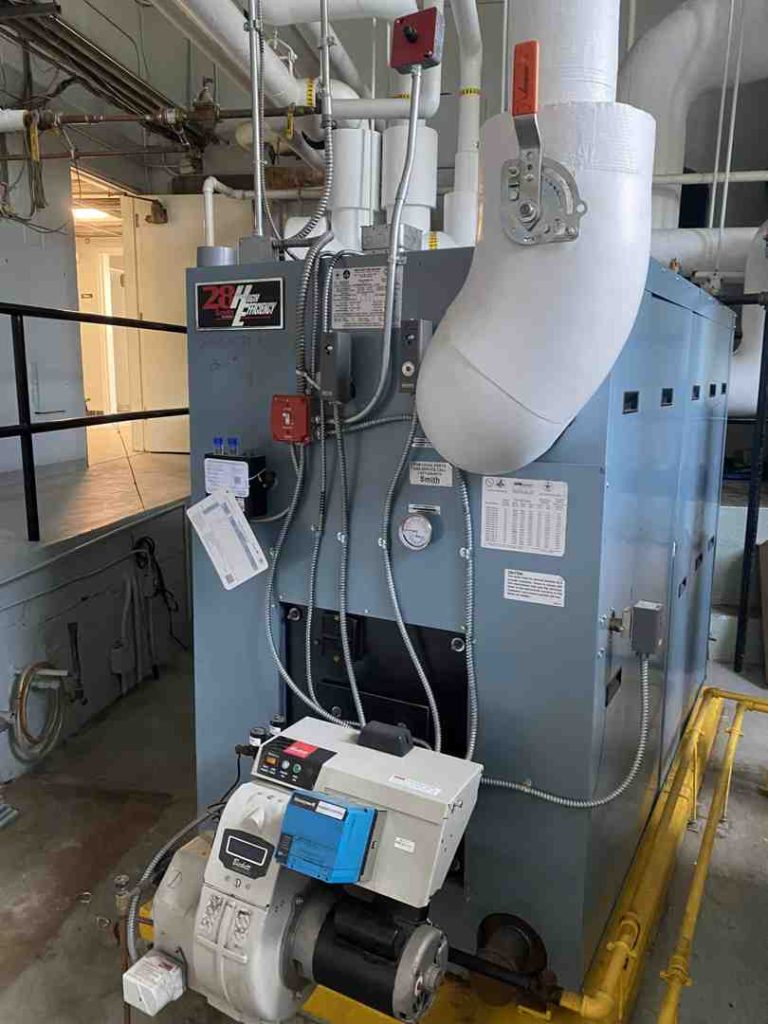
Why Commercial Hot Water Repair Is Critical for Your Business
Commercial hot water repair is the process of diagnosing and fixing failures in high-capacity water heating systems that businesses depend on every day. If your system is acting up, here’s what you need to know right now:
Quick answers for common commercial hot water problems:
| Problem | Likely Cause | Urgency |
|---|---|---|
| No hot water | Failed heating element or burner | High – act immediately |
| Inconsistent temperature | Faulty thermostat or sediment buildup | Medium – schedule soon |
| Strange noises | Sediment at tank bottom | Medium – inspect soon |
| Rusty or discolored water | Internal corrosion, damaged anode rod | High – act immediately |
| Leaking tank | Corrosion or pressure issue | High – act immediately |
| Rising energy bills | Inefficient or failing system | Medium – schedule soon |
Hot water isn’t a luxury in a commercial setting — it’s a requirement. Restaurants need it for sanitation. Medical facilities need it for patient care. Hotels need it for guest comfort. When your system fails, operations can grind to a halt, health codes get violated, and customers notice.
Unlike residential systems, commercial water heaters run harder, wear faster, and carry far greater consequences when they break down. A small problem left unaddressed can quickly turn into a full system failure — and that downtime costs real money.
I’m Tyler Steiner, CEO and founder of Prime Heating & Cooling, and with years of hands-on experience diagnosing and repairing commercial hot water repair systems across Rhode Island and Massachusetts, I’ve seen how quickly a minor issue can escalate into a costly emergency. Let’s walk through everything you need to know to protect your business.
Identifying the Need for Commercial Hot Water Repair
When you are running a business in Providence or Warwick, you don’t have time to play detective with your plumbing. However, catching a problem early is the difference between a quick fix and a catastrophic flood that shuts your doors for a week.
Commercial systems are the workhorses of the service industry. Because they are designed to provide hot water for hundreds of people simultaneously, they are under immense physical stress. We often see business owners ignore the “small” signs, thinking the system is just “getting old.” In reality, those signs are your water heater’s way of screaming for help.

Common red flags include:
- Inconsistent Temperatures: If your water is scalding one minute and lukewarm the next, your thermostat or internal sensors are likely failing.
- Low Water Pressure: This often points to a massive buildup of sediment or scale inside the lines or the tank itself, restricting flow.
- Strange Noises: Popping, banging, or rumbling sounds aren’t “ghosts in the machine.” They are caused by mineral deposits at the bottom of the tank that trap steam bubbles.
- Visible Leaks: Any moisture around the base of the unit is an emergency. Corrosion never heals itself; it only spreads.
- Rusty Water: If the “hot” side of your tap is coming out brown or orange, your tank’s internal lining or anode rod has likely failed.
If you are noticing these issues, you might be eligible for upgrades that save you money in the long run. You can Find Eligible Rebates Here to see if a more efficient system is in your future. For more immediate concerns, check out our More info about plumbing installations and repairs to see how we handle these complex mechanical issues.
Common Signs You Need Commercial Hot Water Repair
In our 20 years of experience serving Rhode Island, we’ve found that most commercial hot water repair calls stem from a few usual suspects.
Sediment Buildup is the number one silent killer. In areas like East Greenwich and Lincoln, mineral-rich water can lead to calcium and dirt particles settling at the bottom of your heater. This creates an insulating layer between the burner and the water, forcing the unit to work twice as hard to reach the same temperature. Eventually, the metal overheats and cracks.
Faulty Thermostats and Heating Elements are common in electric models. If you have a multi-element heater, one might burn out, leaving you with “enough” hot water for a small sink but not enough for a commercial dishwasher or a busy salon morning.
Pilot Light and Ignition Issues plague gas units. If your pilot light keeps going out, it could be a faulty thermocouple or a venting issue that is pushing exhaust back into the unit. This isn’t just a repair issue; it’s a safety hazard.
For a deeper dive into the specific needs of our local area, you can find More info about hot water services in RI.
Commercial vs. Residential Systems: Why Complexity Matters
A common mistake we see is business owners hiring a residential plumber to look at a high-output commercial system. While the basic physics of heating water remain the same, the engineering is worlds apart.
- High-Volume Demand: A residential heater might run for 30 minutes in the morning and 30 minutes at night. A restaurant heater in Providence might run for 18 hours straight. This leads to faster deterioration.
- Advanced Safety Mechanisms: Commercial units feature sophisticated temperature and pressure relief (T&P) valves and complex venting systems required by Rhode Island building codes.
- Code Compliance: Commercial installations must meet strict health and safety standards. A residential-grade fix on a commercial unit can lead to failed inspections and insurance liabilities.
- Larger Burners and Elements: The sheer power required to recover hot water quickly means these systems use high-voltage electricity or high-BTU gas lines that require specialized licensing to handle.
Understanding these differences is key to getting the job done right the first time. You can read More info about commercial water heater setup to understand what goes into a professional installation.
When to Choose Repair Over Replacement
This is the “million-dollar question” for every facility manager. Do you patch the old unit one more time, or bite the bullet and replace it?
Generally, we recommend commercial hot water repair if the unit is under 8 years old and the repair cost is less than 50% of the replacement value. However, if your system is 10–12 years old, it is likely nearing the end of its reliable lifespan.
Note: Based on industry averages for standard commercial units. Actual costs vary by system capacity and complexity.
If you find yourself calling for service more than twice in a single year, the “repair” path is actually costing you more in downtime and service fees than a new, energy-efficient model would. For those in that difficult spot, we offer More info about water heater replacement services to help you weigh your options.
Maximizing Efficiency and Longevity of Your System
Once your system is back up and running, the goal is to keep it that way. In commercial plumbing, “out of sight, out of mind” is a dangerous philosophy.
Modern systems, especially tankless models, offer incredible efficiency but require specific care. For example, thermal expansion can wreak havoc on your pipes if you don’t have a properly sized expansion tank. As water heats up, it expands; if it has nowhere to go, it puts immense pressure on your heater’s tank and your building’s joints.
One of the best ways to maximize longevity is to understand the technology you’re using. We’ve put together a guide with More info about tank vs tankless water heaters to help you understand which system handles the stresses of your specific business best.
Essential Maintenance to Prevent Commercial Hot Water Repair
If you want to avoid the “no hot water” emergency call at 6:00 AM on a Monday, you need a maintenance plan. At Prime Heating & Cooling, we suggest three “non-negotiables” for commercial systems:
- Annual Flushing: This removes the sediment buildup we mentioned earlier. In hard-water areas like Smithfield or North Providence, we might even recommend doing this every six months.
- Anode Rod Checks: These “sacrificial” rods are designed to corrode so your tank doesn’t. Once they are gone, the water starts eating your tank. Replacing a rod is cheap; replacing a 100-gallon tank is not.
- Mineral Descaling: For tankless systems, descaling is vital. Calcium buildup on the heat exchanger will cause the unit to overheat and shut down.
Preventive care is the only way to minimize downtime. For our neighbors in the Smithfield area, you can find More info about regular hot water services in Smithfield to see how we keep local businesses running.
Understanding Different Commercial Water Heater Types
Not all businesses have the same needs. A small office in Johnston has very different requirements than a manufacturing plant in Coventry.
- Standard Tank Heaters: These are the traditional choice. They store a large volume of hot water, ready for use. They are generally cheaper to install but more expensive to run because they have to keep that water hot 24/7.
- Tankless (On-Demand) Systems: These heat water only when you turn on the tap. They are incredibly energy-efficient and take up very little space, but they require a higher upfront investment and specific venting.
- Heat Pump Water Heaters: These “hybrid” units pull heat from the surrounding air to warm the water. They are the most efficient option for many Rhode Island businesses looking to go green.
- Gas vs. Electric: Gas usually offers faster “recovery rates” (how quickly the unit can heat a fresh tank of cold water), while electric units are often simpler to maintain and don’t require complex flue systems.
Choosing the right system can drastically reduce your utility bills. Explore More info about commercial hot water systems for businesses to see which category fits your operational footprint.
Choosing the Right Partner for Your Business
When your business is on the line, you need a partner who understands the local landscape. Prime Heating & Cooling isn’t just a service provider; we are part of the Rhode Island community. With over 20 years of experience, we’ve seen every possible configuration of commercial hot water repair in buildings ranging from historic Providence storefronts to modern North Smithfield medical centers.
We pride ourselves on:
- 24/7 Emergency Availability: Because hot water doesn’t wait for business hours to stop working.
- Licensed Expertise: Our technicians are factory-trained and fully licensed to work on high-capacity commercial systems.
- Customer-First Approach: We explain the “why” behind every repair so you can make informed decisions for your budget.
If you’re struggling to find the right help, check out More info about locating commercial water heater installers in your specific area.
Ready to get your hot water back on track? Don’t wait for a small leak to become a big disaster.


