

Why Choosing the Right AC Installation Company Matters
An AC installation company handles the complex work of selecting, sizing, and installing air conditioning systems. When searching for one, you should look for:
- Licensed and certified technicians (NATE, BPI certified)
- Local expertise in your climate and building codes
- Transparent pricing with free estimates
- Strong warranties on both equipment and labor
- Positive customer reviews and BBB accreditation
- 24/7 emergency support and ongoing maintenance options
New England summers can be brutal. When your AC fails, finding a reliable installer is urgent, but it’s not a decision to rush. The right AC installation company does more than just install a unit; they perform load calculations, explain your options, and ensure your system runs efficiently for its entire 10-15 year lifespan.
AC installation costs range from $4,000 to $12,000, making it a significant investment. A professional installer who gets it right the first time is crucial, as poor installation can void warranties, increase energy bills, and cause premature system failure.
I’m Tyler Steiner, founder and CEO of Prime Heating & Cooling. With years of experience helping New England homeowners, I’ve seen how proper installation from a trusted, BBB-accredited business with an A+ rating makes all the difference in long-term comfort and savings.
Is It Time for a New AC? Key Signs to Watch For
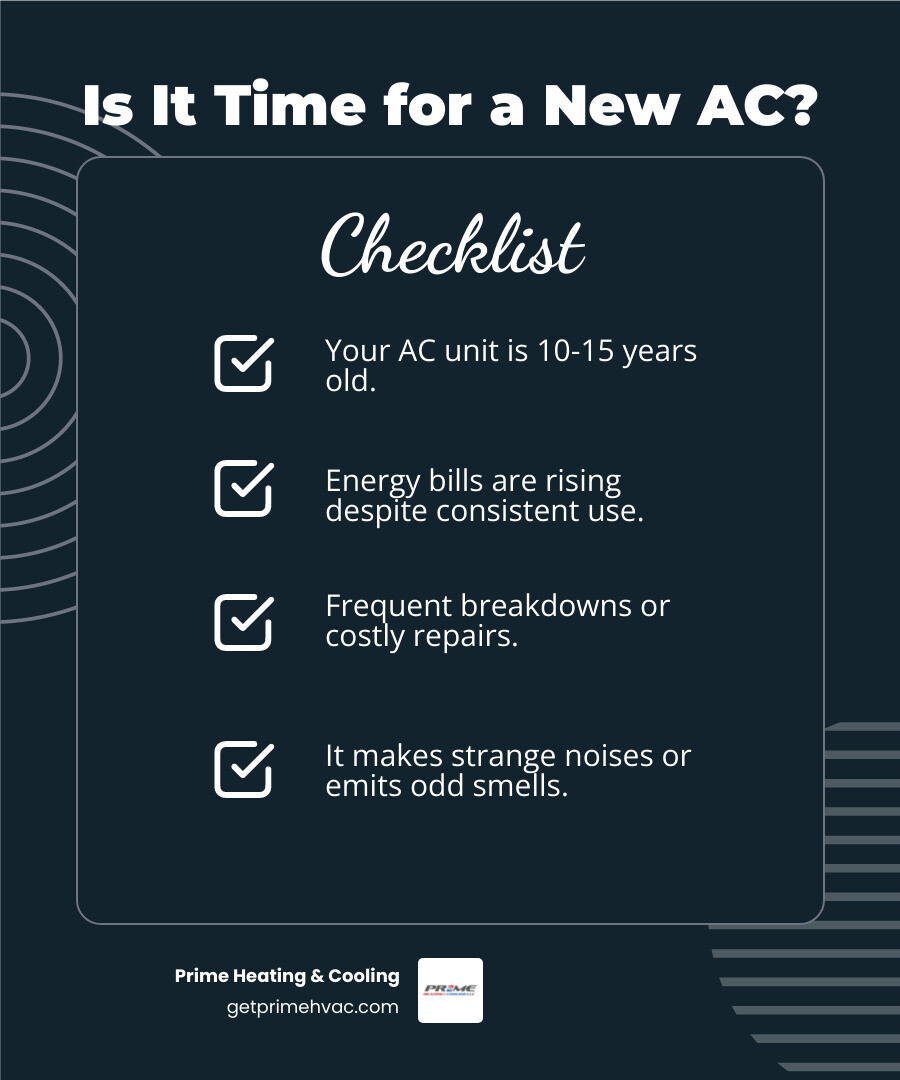
Every air conditioner eventually shows signs it’s time for retirement. Ignoring them can lead to uncomfortable summers and costly breakdowns. While deciding between repair and replacement can be tough, clear indicators can guide your decision.

One of the most straightforward signs is age. A central air conditioner’s average lifespan is 10 to 15 years. If your system is in or beyond this range, especially in the demanding climate of Rhode Island and Massachusetts, replacement is worth considering.
Beyond age, look for performance issues. Are your energy bills rising without a change in usage? Are you facing frequent, costly repairs? Strange noises (buzzing, vibration) or uneven cooling are also red flags that internal components may be failing.
Another critical factor is the refrigerant. Older systems using R-22 refrigerant are costly to service as it has been phased out. This alone can make replacement a more practical choice.
For more detailed insights, we encourage you to read our guide on Is It Time for AC Replacement? Signs to Watch For.
| Common AC Problem | Repair or Replace? (General Guidance) |
|---|---|
| No Cooling | Repair: Check power and thermostat settings. If unresolved, call for professional repair. |
| Not Blowing Air | Repair: Check the breaker and air filter. A non-working fan requires professional service. |
| Not Turning On | Repair: Check the thermostat, breaker, and disconnect switch. If these don’t help, call us. |
| Blowing Warm Air | Repair: This may be low refrigerant or a faulty compressor. It requires professional diagnosis. |
| Leaking Water | Repair: A clogged drain or frozen coil could be the cause. Professional inspection is recommended. |
| Strange Noises | Repair: Grinding or hissing points to mechanical problems needing immediate professional attention. |
| Foul Odor | Repair: Musty or burning smells indicate mold or electrical issues. Professional cleaning or inspection is necessary. |
| Frequent Cycling | Repair: This can be due to improper sizing, a dirty filter, or low refrigerant. A pro can find the cause. |
| High Humidity | Repair: If your AC isn’t dehumidifying, it may be oversized or have other issues. A professional assessment is key. |
| Uneven Cooling | Repair: This could be caused by ductwork issues, blocked vents, or improper sizing. A pro can identify the fix. |
| Rising Energy Bills | Replace: If your unit is over 10 years old and inefficient, a new unit will provide long-term savings. |
| Frequent, Costly Repairs | Replace: If repairs cost over 50% of a new unit’s price, replacement is more economical. |
| Unit Uses R-22 Refrigerant | Replace: R-22 is obsolete and expensive. Upgrading to a new system is the practical choice. |
| Unit is 10-15+ Years Old | Replace: An old unit is inefficient and prone to failure. Proactive replacement avoids emergency breakdowns. |
| Catastrophic System Failure | Replace: Major failures like a bad compressor are often more expensive to fix than to replace the unit. |
Repair or Replace: Making the Right Financial Decision
The repair vs. replace dilemma is often financial. A common guideline is the “50% rule”: if a repair costs 50% or more than a new unit, replacement is usually more sensible. This rule helps weigh the immediate cost against the long-term investment. An older system will likely continue to need repairs and run inefficiently, costing more over time.
A new, energy-efficient system can lead to significant savings on monthly utility bills. The U.S. Department of Energy recommends regular maintenance, but even that can’t reverse the effects of age. Choosing an energy-efficient HVAC system is a wise long-term financial decision.
We dig deeper into this in our article Preventive Maintenance vs. Reactive Repair – Which is Best for Your AC?, helping you understand the benefits of proactive replacement.
The Average Lifespan of an Air Conditioner
A central AC unit typically lasts 10 to 15 years. However, factors like regular AC maintenance can extend this lifespan. Skipping tune-ups causes faster wear and tear.
The climate also plays a role. In Rhode Island and Massachusetts, our AC units work hard during humid summers, which can shorten a unit’s lifespan. Your personal usage habits also contribute to its longevity.
The key to maximizing your AC’s lifespan is consistent, professional care. Our guide, How to Extend the Life of Your HVAC System, offers valuable tips to help you get the most out of your investment.
Choosing the Right AC System for Your Home
Once you decide on a new AC, the next step is selecting the right system. This decision depends on your home’s unique needs, your comfort preferences, and your budget.
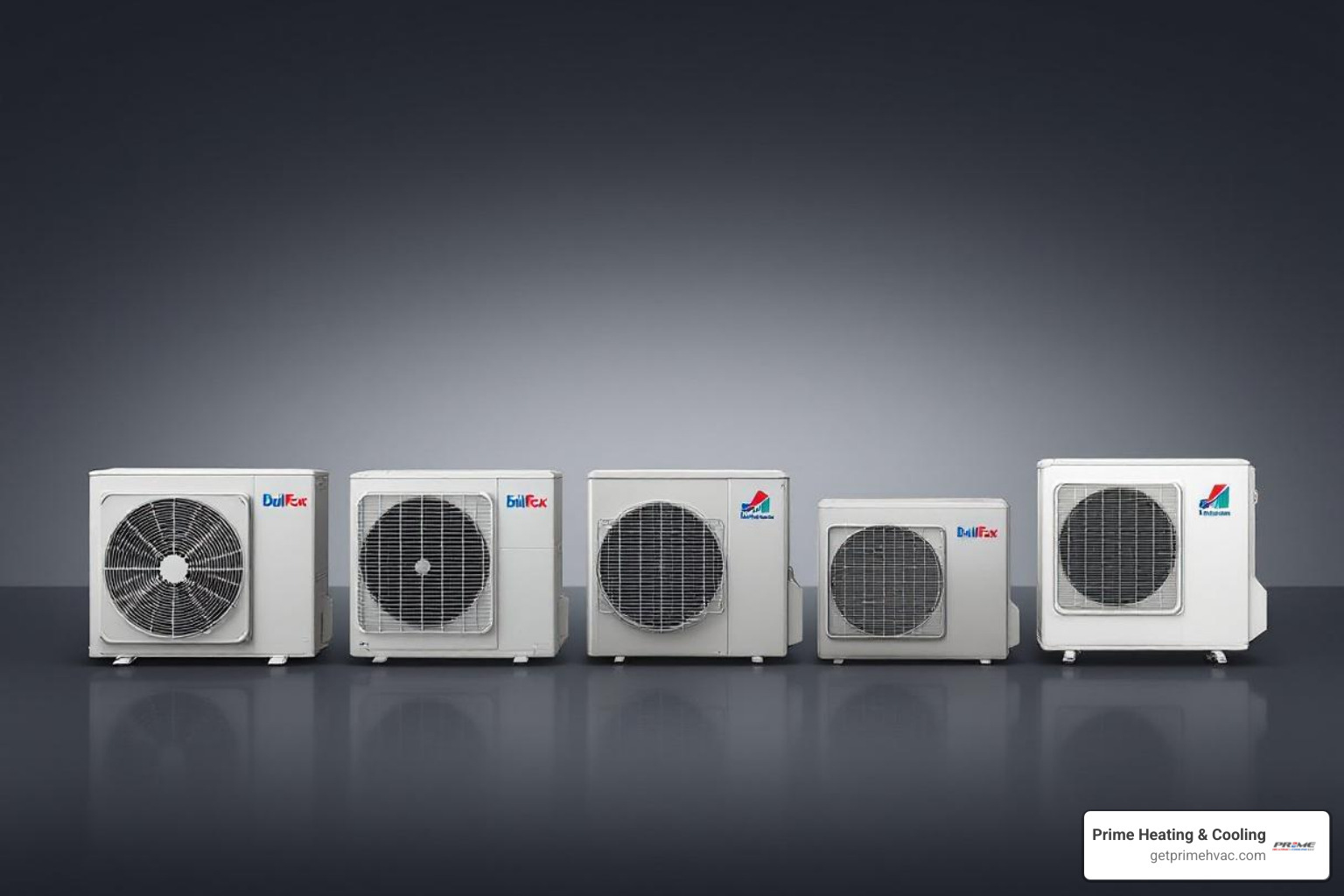
When we help homeowners in Rhode Island and Massachusetts, we consider the home’s size and layout, your budget for both upfront cost and long-term savings, and our local climate.
For a comprehensive look at what to consider, check out our article on Choosing the Right Air Conditioning Unit for Your Home – Factors to Consider.
Understanding Different Types of AC Systems
The world of air conditioning offers several options. At Prime Heating & Cooling, we specialize in solutions that bring optimal comfort and efficiency to New England homes.
- Central Air Conditioning: The most common option for homes with ductwork, this system cools the entire house from a central indoor and outdoor unit. It provides consistent, discreet, whole-home cooling.
- Ductless Mini-Splits: Ideal for homes without ductwork or for zoning specific areas. They consist of an outdoor unit and one or more indoor units, offering flexible, room-by-room cooling and significant energy savings. They often provide heating as well, making them a versatile solution. Learn more in our article, Ductless AC Systems – A Trend in Smithfield, Rhode Island.
- Heat Pumps: These highly energy-efficient systems provide both heating and cooling by transferring heat rather than generating it. They are an excellent all-in-one solution for our climate, offering year-round comfort.
Each system has pros and cons. Our team will help you steer these options to find the perfect fit for your home.
The Importance of SEER Ratings and Proper Sizing
Choosing the right type of AC is only half the battle; it must also be the right size and efficiency for your home.
SEER (Seasonal Energy Efficiency Ratio) measures an AC’s energy efficiency. A higher SEER rating means better efficiency and lower utility costs. While a high-SEER unit may cost more upfront, it pays for itself through long-term savings. The U.S. Department of Energy (DOE) emphasizes that choosing an energy-efficient HVAC system can lead to substantial savings. For a deeper dive, read our article Understanding SEER Ratings and Their Impact on Your Air Conditioner.
Equally crucial is proper AC sizing. A system that’s too small will run constantly and fail to cool your home, while one that’s too large will short cycle, wasting energy and failing to dehumidify properly. Both scenarios cause premature wear.
We perform a detailed load calculation for every home, considering factors like square footage, insulation, windows, and ceiling height. This ensures the new system is perfectly matched to your home for optimal efficiency and comfort.
Why Hiring a Professional AC Installation Company is Non-Negotiable
While it’s tempting to cut corners, hiring a professional AC installation company is non-negotiable. This complex job impacts your home’s comfort, safety, and finances for years.
The benefits of professional installation are numerous:
- Safety: Professionals safely handle electrical components and refrigerants, preventing risks like fires or leaks.
- Efficiency: A correctly sized and configured system operates at peak efficiency, lowering your energy bills.
- Warranty Protection: Most manufacturers’ warranties require professional installation to be valid. A DIY job can void your warranty.
- Code Compliance: Our technicians know local codes in Rhode Island and Massachusetts, ensuring your installation is compliant.
- Longevity: Proper installation is the foundation for a long-lasting AC system, preventing premature wear and tear.
For further reading, refer to The Importance of Professional HVAC Installation and Maintenance Services.
Key Factors in Choosing an AC Installation Company
Finding the right AC installation company comes down to trust, expertise, and customer satisfaction.
- Local Expertise: Look for a company with deep roots in your community. We understand the climate and building styles in areas like Smithfield, Smithfield, and Warwick.
- Family-Owned Advantages: As a family-owned business, we pride ourselves on a customer-first approach, personalized service, and a genuine commitment to quality.
- Certifications: Ensure technicians are certified. NATE (North American Technician Excellence) and BPI (Building Performance Institute) certifications signify a high level of technical proficiency. You can learn more about BPI certifications at BPI.
- Insurance and Licensing: Verify the company is fully licensed and insured to protect you from accidents or property damage.
- Customer Reviews and Reputation: Check online reviews and look for a strong standing with organizations like the Better Business Bureau. We’re proud of our A+ rating with the BBB.
For more guidance, our article 10 Tips for Finding the Best HVAC Service Near You provides excellent advice.
Understanding Warranties, Guarantees, and Financing
A reputable AC installation company offers robust protections and flexible payment options for this significant investment.
- Manufacturer Warranty: This covers major components, often for 5-10 years.
- Labor Warranty: Provided by the installer, this covers labor for any installation-related issues.
- Satisfaction Guarantees: A strong company stands behind its work and will make things right if you’re not satisfied.
- Financing Options: We offer various financing plans, including interest-free options, to make the investment more manageable.
- Rebates and Incentives: Ask about state, local, or federal rebates and tax credits for energy-efficient systems, which can significantly reduce the overall cost.
The average AC installation cost is $4,000 to $12,000. We provide transparent pricing and walk you through all costs and options. To learn more, check out The Cost of AC Installation in Smithfield – What to Expect.
The Installation Journey: From Consultation to Cool Air
We believe in a smooth, transparent process from your first call until your home is comfortably cool. Our goal is to make your AC installation journey stress-free.
- Consultation and Home Assessment: We start with a thorough consultation, listening to your needs and performing a detailed home assessment, including the crucial load calculation to properly size your new system.
- Quote Process: We provide a detailed, transparent quote with all costs, equipment options, and available financing. No hidden fees, no surprises.
- Scheduling: Once you approve the quote, we schedule the installation at a convenient time, aiming for a quick turnaround to restore your comfort.
For a detailed breakdown, read our guide on Steps to a Successful AC Installation in Smithfield RI.
How to Prepare Your Home for Installation Day
A little preparation helps the installation go smoothly and efficiently.
- Clear the Path: Ensure a clear path to both the indoor and outdoor unit locations.
- Outdoor Unit Space: Trim plants and clear debris around the outdoor unit area.
- Indoor Work Area: Clear personal items from around the indoor unit, attic access, and thermostats.
- Secure Pets: For their safety and ours, please keep pets in a separate area.
- Thermostat Location: If getting a new thermostat, consider its ideal location—on an interior wall, away from direct sunlight or heat sources.
We’ll handle the heavy lifting, but these steps help us work quickly and safely.
What to Expect from Your AC Installation Company on the Big Day
When our team arrives, you can expect professionalism and efficiency.
- Punctual Arrival: Our certified technicians will arrive on time, in uniform, and ready to work.
- Protecting Your Home: We use drop cloths and shoe covers to keep your home clean.
- Old Unit Removal: We will carefully disconnect, remove, and haul away your old AC unit for proper disposal.
- New Unit Installation: We install the new indoor and outdoor units, connecting refrigerant lines, electrical wiring, and the condensate drain to code.
- Ductwork Inspection: We inspect existing ductwork for leaks or damage that could affect performance.
- System Testing: We rigorously test the new system to ensure it’s operating correctly, efficiently, and safely.
- Final Walkthrough and Education: We’ll walk you through the new system, explain the thermostat, and answer all your questions before cleaning up our work area.
Most standard installations are completed in one day. More complex jobs may take longer, but we will always provide a clear timeline upfront.
Post-Installation: Ensuring Longevity and Performance
A new AC system is an investment. To protect it and ensure it performs optimally for years, proactive care is essential. The U.S. Department of Energy recommends regular maintenance for air conditioning systems to ensure peak performance and energy efficiency.
Regular AC maintenance, including filter changes and coil cleanings, can extend your unit’s lifespan and prevent costly breakdowns. Our article on Benefits of Regular HVAC Maintenance for Smithfield Homes highlights how crucial this ongoing care is.
Signs of a Poorly Installed AC System
A poorly installed AC system can cause numerous problems. Recognizing these signs early helps prevent them from escalating.
- Loud Noises: Grinding, hissing, or banging right after installation is a red flag for loose or faulty parts.
- Leaking Water: Pooling water suggests a problem with the condensate drain line.
- High Humidity: If your home feels clammy, the unit might be improperly sized or have airflow issues.
- Frequent Cycling (Short Cycling): A unit that turns on and off too often is likely oversized, which wastes energy and causes wear.
- Hot and Cold Spots: Uneven cooling points to issues with ductwork, airflow, or system sizing.
- Increased Energy Bills: A new system shouldn’t cause higher bills. If it does, the installation may be faulty.
If you notice any of these issues, contact us. Our resource on Common AC Problems – Troubleshooting and Repair Tips can also help you identify potential problems.
Frequently Asked Questions about AC Installation
How long does a typical AC installation take?
A standard AC installation, including removal of the old unit, typically takes one day. More complex jobs involving significant ductwork modifications might take two days. We always provide a clear timeline during your consultation.
What is the average cost of a new AC installation?
The cost of a new AC installation typically ranges from $4,000 to $12,000. The final price depends on the system type (central, ductless), size, SEER rating, and installation complexity. We provide free, transparent quotes and discuss available financing and rebates to help manage the cost.
How does regular maintenance affect my new AC?
Regular AC maintenance is vital for your new system. As recommended by the U.S. Department of Energy, it extends your system’s lifespan, prevents costly breakdowns, ensures peak efficiency, and keeps your warranty valid. It’s a small investment that protects your larger one and improves air quality. For more information, read our article The Importance of Regular AC Maintenance – Benefits and Tips.
Conclusion
Choosing the right AC installation company is one of the most important decisions you’ll make for your home’s comfort and efficiency. It’s about more than just buying a new unit; it’s about making a long-term investment in your living environment and ensuring you have reliable, professional support for years to come.
We’ve explored the key signs that it’s time for a new AC, the various system types available, and why professional installation is paramount for safety, efficiency, and warranty protection. We’ve also highlighted the importance of understanding SEER ratings, proper sizing, and the ongoing benefits of regular maintenance.
At Prime Heating & Cooling, we bring 20 years of experience to every project, serving homeowners across Rhode Island and Massachusetts, including Smithfield, Smithfield, Warwick, and Franklin. Our USP lies in reliable, energy-efficient solutions delivered by skilled, NATE and BPI certified technicians with 24/7 availability and a genuine customer-first approach. We’re here to provide expert guidance, transparent pricing, and dependable service that ensures your home stays cool and comfortable, season after season.
For expert guidance and reliable service, explore our HVAC Services in Smithfield, RI.


