Why Snow in Rhode Island Is a Real Threat to Your HVAC System
The best HVAC tips for when it snows in Rhode Island come down to five core actions you can take before, during, and after a storm:
- Clear snow and ice from your outdoor unit — maintain at least 18 inches of clearance on all sides
- Check and unblock exhaust vents and flues — blocked PVC pipes can cause dangerous carbon monoxide buildup
- Replace your air filter — snowstorms force your system to work harder, clogging filters faster
- Keep your thermostat consistent — set between 68–70°F to avoid straining your system during extreme cold
- Know your emergency steps — check circuit breakers, thermostat batteries, and boiler pressure if heat stops
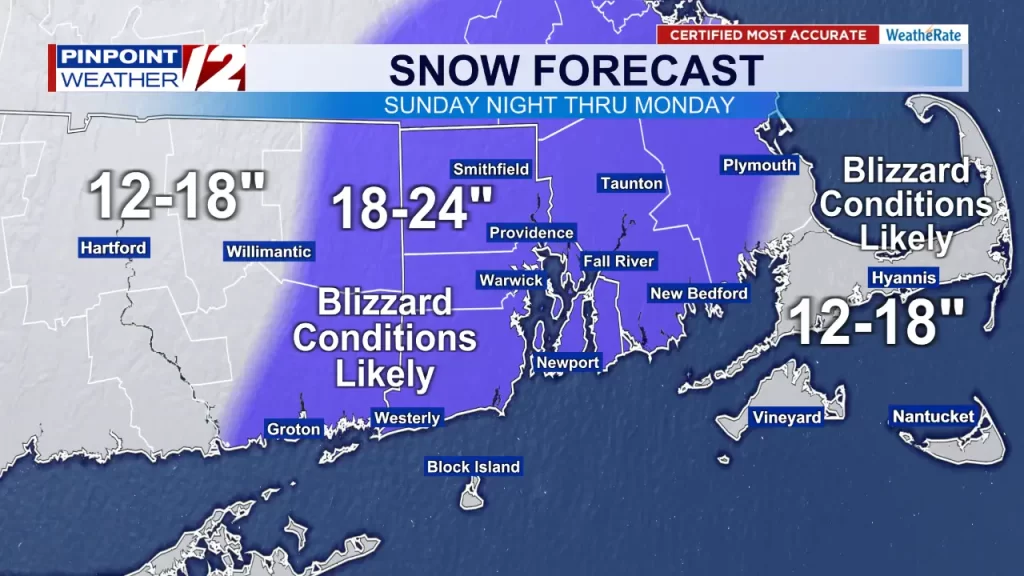
Rhode Island winters don’t mess around. Nor’easters can dump a foot of snow overnight, temperatures can plunge below zero, and power outages can leave your home without heat for hours — or longer.
That’s a serious problem when your HVAC system is your first line of defense against the cold.
Most homeowners don’t think about their heating system until something goes wrong. But by then — mid-storm, freezing temperatures outside — your options are limited and the risks are real: frozen pipes, carbon monoxide exposure, and costly emergency repairs.
This guide walks you through exactly what to do to protect your system before, during, and after a Rhode Island snowstorm.
I’m Tyler Steiner, CEO and founder of Prime Heating & Cooling, and I’ve spent years helping Rhode Island and Massachusetts homeowners navigate the unique challenges of New England winters with reliable, efficient HVAC systems — making HVAC tips for when it snows in Rhode Island something I deal with hands-on every season. Let’s get into what actually works, so you’re ready when the next storm hits.
Essential HVAC Tips for When It Snows in Rhode Island
When the sky turns grey and the National Oceanic and Atmospheric Administration (NOAA) Weather Radio starts broadcasting winter storm warnings for Providence or Warwick, your home’s heating system is about to enter a marathon. Snow isn’t just pretty; it’s heavy, wet, and capable of physically blocking the very air your system needs to breathe.
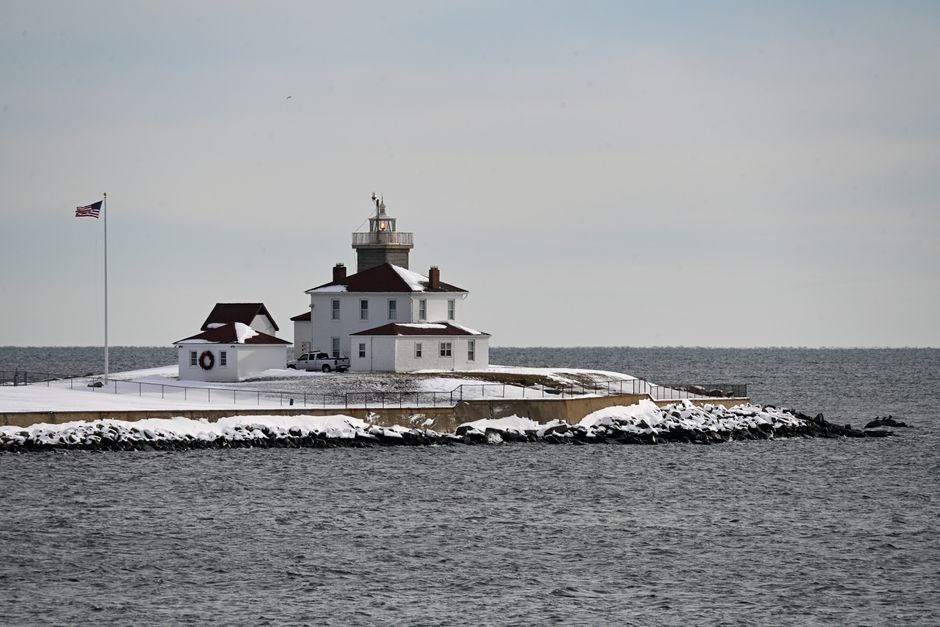
Airflow obstruction is the number one enemy of your HVAC system during a storm. Whether it’s a furnace, a boiler, or a heat pump, these machines require a constant exchange of air or exhaust to function safely. If snow drifts pile up against your outdoor unit or block your side-wall vents, the system will either work itself to death or shut down entirely for safety.
To stay ahead of the curve, follow these immediate snow protection steps:
- Monitor the forecast: Staying informed via Winter Weather Preparedness resources helps you time your maintenance before the first flake falls.
- Pre-clear the area: Move any patio furniture, lawn ornaments, or debris away from your outdoor unit so you have a clear path to shovel.
- Stock up on filters: You’ll want a fresh one in before the storm and potentially another one after, as your system will be running almost non-stop.
Protecting Your Outdoor Unit and Heat Pump
There is a common debate among Rhode Island homeowners: should you cover your outdoor unit? The answer depends on what you are covering. If you have a central AC unit that won’t be used until June, you might consider covering your AC unit to protect it from falling ice and debris. However, you must use a breathable fabric. Plastic covers trap moisture, which leads to rust and provides a cozy home for rodents.
If you have a heat pump, never cover it while it is in use. A heat pump needs to pull air from the outside to heat your home. Covering it will cause it to fail.
For proper heat pump maintenance during a snow event:
- Maintain an 18-inch perimeter: Shovel a “moat” around the unit. This ensures the fan can pull in enough air to operate efficiently.
- Use a soft broom: If snow accumulates on top of the unit, gently brush it off. Never use a metal shovel or a sharp ice pick, as these can easily puncture the delicate aluminum fins.
- Clear the base: Ensure the unit is elevated (ideally 6-8 inches) or that the snow underneath is cleared so the defrost cycle can drain properly. If the meltwater can’t escape, it will refreeze into a block of ice at the base.
For a quick refresher, check out our guide on how-to-prep-for-snowstorm-hvac-in-5-easy-steps.
Maintaining Vents, Flues, and Airflow
If you have a high-efficiency furnace (one with an AFUE rating of 90% or higher), it likely vents through PVC exhaust pipes on the side of your house rather than through a traditional chimney. During a heavy Rhode Island snowstorm, drifting snow can easily bury these pipes.
When an exhaust vent is blocked, the furnace’s safety sensors should kick in and shut the system down. However, if those sensors fail, or if the intake is blocked but the exhaust isn’t, you run a severe risk of carbon monoxide (CO) poisoning. According to the Winter Storms | Department of Health, CO poisoning is a leading cause of injury during winter weather events.
- Locate your vents: Know where they are before the snow covers them.
- Clear them every few hours: During active snowfall, head outside and ensure the pipes are clear of snow and ice.
- Check your filters: A clogged filter restricts airflow just as much as a snow-blocked vent. Check your filter before the storm and replace it if it looks grey or dusty. You can find more details in our winter-hvac-checklist-in-rhode-island.
Thermostat Settings and Ice Dam Prevention
It is tempting to crank the heat to 75°F when it’s 10°F in East Greenwich, but consistency is actually better for your system and your wallet. We recommend keeping your thermostat between 68–70°F.
Why? Because extreme “setbacks” (lowering the temp significantly at night) force the system to work in “overdrive” to recover. In sub-zero temperatures, your system might not be able to catch up, leading to a cold house and a stressed-out furnace.
Proper thermostat management also helps prevent ice dams. Ice dams occur when heat escapes into your attic, melting the snow on your roof. That water then runs down and refreezes at the cold eaves, creating a dam that forces water under your shingles.
- Insulate your attic: Aim for an R-value of R-49 to R-60 to keep heat in the living space.
- Seal your ducts: Poor ductwork can waste up to 30% of your heating energy. Professional sealing ensures that heat goes to your rooms, not your attic.
- Lower the temp slightly during heavy snow: If you are worried about ice dams, lowering the thermostat by 3-5 degrees can reduce the amount of heat escaping through the roof.
For more on managing costs, see how-can-i-lower-my-heating-bills-during-a-rhode-island-winter.
Emergency Troubleshooting and Professional Maintenance
Even with the best preparation, emergencies happen. Whether it’s a mechanical failure or a power outage caused by a downed line in Coventry, you need a plan.
The U.S. Energy Information Administration notes that while the average customer loses power for about two hours a year, major winter storms can extend that to days. If you use a generator to keep your heat running, safety is paramount.
The 20-Foot Rule: Always place portable generators at least 20 feet away from doors, windows, and vents. Never run a generator in a garage, even with the door open. Carbon monoxide is odorless and deadly.
Troubleshooting HVAC Tips for When It Snows in Rhode Island
If your heat cuts out in the middle of a storm, don’t panic. Check these five things first:
- The Thermostat: Is the screen blank? It might just need new batteries. Is it set to “Heat” and “Auto”?
- The Circuit Breaker: Check your electrical panel. A power surge during a storm can trip the breaker for your furnace or boiler.
- The Air Filter: If it’s completely clogged, the system may have overheated and shut down as a safety precaution.
- The Power Switch: Most furnaces and boilers have a switch that looks like a light switch nearby. Ensure it hasn’t been accidentally flipped off.
- The Vents: As mentioned, go outside and ensure the PVC pipes are clear of snow.
For a deeper dive into surviving a major storm, read our 2026-noreaster-survival-guide-for-home-heating.
| System Type | Winter Requirement | Major Risk |
|---|---|---|
| Furnace | Clear PVC vents & fresh filters | CO buildup & overheating |
| Boiler | Maintain pressure (12-15 PSI) | Frozen pipes & pump failure |
| Heat Pump | 18″ clearance & defrost drainage | Ice buildup on coils |
Preventing Frozen Pipes and System Failure
If your HVAC system fails entirely and you are waiting for a technician, your next priority is protecting your plumbing. Frozen pipes can burst, causing thousands of dollars in water damage.
- Drip your faucets: A slow drip of both hot and cold water keeps movement in the pipes and relieves pressure.
- Open cabinet doors: Let the ambient heat of the house reach the pipes under your sinks.
- Space heater safety: If you use space heaters as a supplement, keep them at least 3 feet away from curtains, bedding, and furniture. Never leave them unattended.
- Insulate exposed pipes: In unheated areas like basements or crawlspaces, use foam sleeves to provide a layer of protection.
Rhode Island residents should also keep an eye on Winter Driving Tips | Rhode Island State Police if they need to leave for a warming center, and review our winter-ready-hvac-tips-for-cranston-ri-homeowners for local advice.
Professional Maintenance and HVAC Tips for When It Snows in Rhode Island
The best way to handle a snowstorm is to ensure your system is ready for it months in advance. At Prime Heating & Cooling, we’ve spent 20 years serving neighbors in Johnston, Smithfield, Providence, and across Rhode Island.
A professional tune-up does more than just “check” the system; we calibrate the burners, test safety sensors, and ensure your AFUE rating is as high as possible. High-efficiency furnaces (90%+ AFUE) can save you significantly on fuel costs, but only if they are tuned to operate at peak performance.
If you find yourself in a pinch, we offer 24/7 emergency service. Whether you’re in Lincoln or North Providence, we know the local weather and we know how to get your heat back on safely.
Don’t wait for the next Nor’easter to find out your furnace isn’t up to the task. Learn more about the-importance-of-hvac-tune-ups-for-rhode-island-winters or check out our full range of HVAC services in RI.
Staying warm in Rhode Island is a team effort. By following these HVAC tips for when it snows in Rhode Island, you’re doing your part to keep your family safe and your home cozy, no matter what the New England winter throws your way. Stay warm, stay safe, and remember that we’re always just a phone call away if you need a hand.