How Often Should You Replace Your Furnace in Rhode Island?
Knowing how often replace furnace systems need to happen can save you from a cold, stressful breakdown in the middle of a Rhode Island winter. Here’s the quick answer:
Furnace Replacement Frequency at a Glance
| Furnace Type | Typical Lifespan | Replace When… |
|---|---|---|
| Gas furnace | 15–20 years | 15+ years old with repairs adding up |
| Oil furnace | 15–25 years | 15+ years old or frequent breakdowns |
| Electric furnace | 20–30 years | 20+ years old or rising energy bills |
| Propane furnace | 15–20 years | Same as gas — monitor after year 15 |
Most homeowners won’t need to replace a furnace more than once or twice in a lifetime. But waiting until it fails is the worst move you can make — especially with New England winters that start as early as October and can stay brutal through March.
Heating and cooling account for nearly 50% of a home’s energy use. An aging furnace that’s lost efficiency doesn’t just risk a breakdown — it quietly drains your wallet every single month.
I’m Tyler Steiner, founder and CEO of Prime Heating & Cooling, and I’ve helped hundreds of Rhode Island homeowners — from Newport to Narragansett to South Kingstown — navigate the decision of how often to replace furnace systems based on age, type, and real repair costs. In the sections below, I’ll walk you through exactly what to watch for and when to act.
Understanding How Often Replace Furnace Systems by Type and Age

When we visit homes in Providence or East Greenwich, the first thing we look at is the nameplate. Your furnace’s age is the most significant predictor of its future performance. While a well-maintained unit might hum along for two decades, the reality is that mechanical components have a finite shelf life.
Average Lifespan: How Often Replace Furnace Units in Coastal RI?
In coastal areas like Newport and Narragansett, the environment plays a massive role in equipment longevity. Salt air and high humidity are the enemies of metal. Corrosion can eat away at external casings and internal components faster than in inland areas like Smithfield or Lincoln.
If you live near the water, you might find that you need to consider how often replace furnace units more frequently—perhaps every 12 to 15 years—due to this accelerated wear. Regular Heating Services are non-negotiable in these zones to keep salt deposits from seizing up your blower motor or corroding your burners.
According to Scientific research on furnace lifespan and replacement timelines, the fuel type also dictates the timeline:
| Furnace Type | Average Lifespan | Efficiency Notes |
|---|---|---|
| Gas | 15–20 Years | Most common; efficiency drops 1-2% annually after year 10. |
| Electric | 20–30 Years | Fewer moving parts, but higher monthly operational costs. |
| Oil | 15–25 Years | Requires heavy maintenance; common in older RI homes. |
| Propane | 15–20 Years | Similar to gas; requires regular tank monitoring. |
Financial Math: How Often Replace Furnace Parts vs. Full Systems
Deciding whether to fix a broken part or buy a new system is often a math problem. At Prime Heating & Cooling, we often suggest the $5,000 Rule: Multiply the age of your furnace by the cost of the repair. If the total is more than $5,000, it’s usually time to invest in a replacement.
For example, if your 15-year-old furnace needs a $400 repair ($15 \times 400 = 6,000$), you are better off putting that money toward a new, energy-efficient model. Another common benchmark is the 50% Rule: If a single repair costs 50% or more of the price of a new furnace, replacement is the smarter long-term financial move. We dive deeper into this internal debate in our guide on The Furnace Dilemma and When to Finally Replace It.
Warning Signs and Benefits of Upgrading Your Heating System

Sometimes your furnace talks to you—and it’s usually complaining. If you notice your energy bills creeping up even though you haven’t changed your thermostat settings, your furnace is likely working harder to produce the same amount of heat. This “efficiency lag” is a classic sign of an aging system.
Other warning signs include:
- Uneven Heating: One room feels like a sauna while the other feels like a meat locker.
- Strange Noises: Banging, popping, or screeching sounds often indicate a failing motor or cracked belt.
- Short Cycling: The furnace turns on and off rapidly, never quite finishing a heating cycle.
If your system is running but you’re still shivering, check out our troubleshooting tips on The Chilling Truth: Reasons Your Furnace Isn’t Heating.
Safety First: Cracked Heat Exchangers and Carbon Monoxide
This is the most critical part of the how often replace furnace discussion. A gas or oil furnace uses a heat exchanger to separate the combustion process from the air you breathe. Over time, the metal expands and contracts, which can eventually lead to cracks.
A cracked heat exchanger is a major safety hazard because it can leak carbon monoxide (CO) into your home. If you ever see a yellow or flickering burner flame instead of a steady blue one, call us immediately. This is a sign of incomplete combustion and potential CO danger. Soot around the furnace or moisture on cold surfaces like windows can also signal a venting problem.
For more on staying safe during the coldest months, read The Ultimate HVAC Troubleshooting Guide for Frigid Nights or consult Scientific research on when to repair or replace a furnace.
Maximizing Efficiency with Modern Furnace Installation
If your current furnace was installed in the early 2000s, it might only have an AFUE (Annual Fuel Utilization Efficiency) rating of 60% to 70%. That means for every dollar you spend on fuel, 30 to 40 cents is literally going up the chimney.
Modern high-efficiency furnaces boast ratings of 95% AFUE or higher. Upgrading can save you hundreds of dollars annually on fuel costs. Furthermore, in May 2026, there are more incentives than ever—including federal tax credits of up to $600 and local Rhode Island utility rebates—to help offset the cost. You can learn more about our professional Furnace Installation Repair Services to see how we can modernize your home comfort.
Extending Lifespan Through Regular Maintenance
We often get asked, “How can I make my furnace last 25 years?” The answer is simple: don’t ignore it. Just like you wouldn’t drive a car for 100,000 miles without an oil change, you shouldn’t run a furnace for a decade without a tune-up.
In South Kingstown and Scituate, we’ve seen well-maintained furnaces outlast their “expiration dates” by years. Regular maintenance includes:
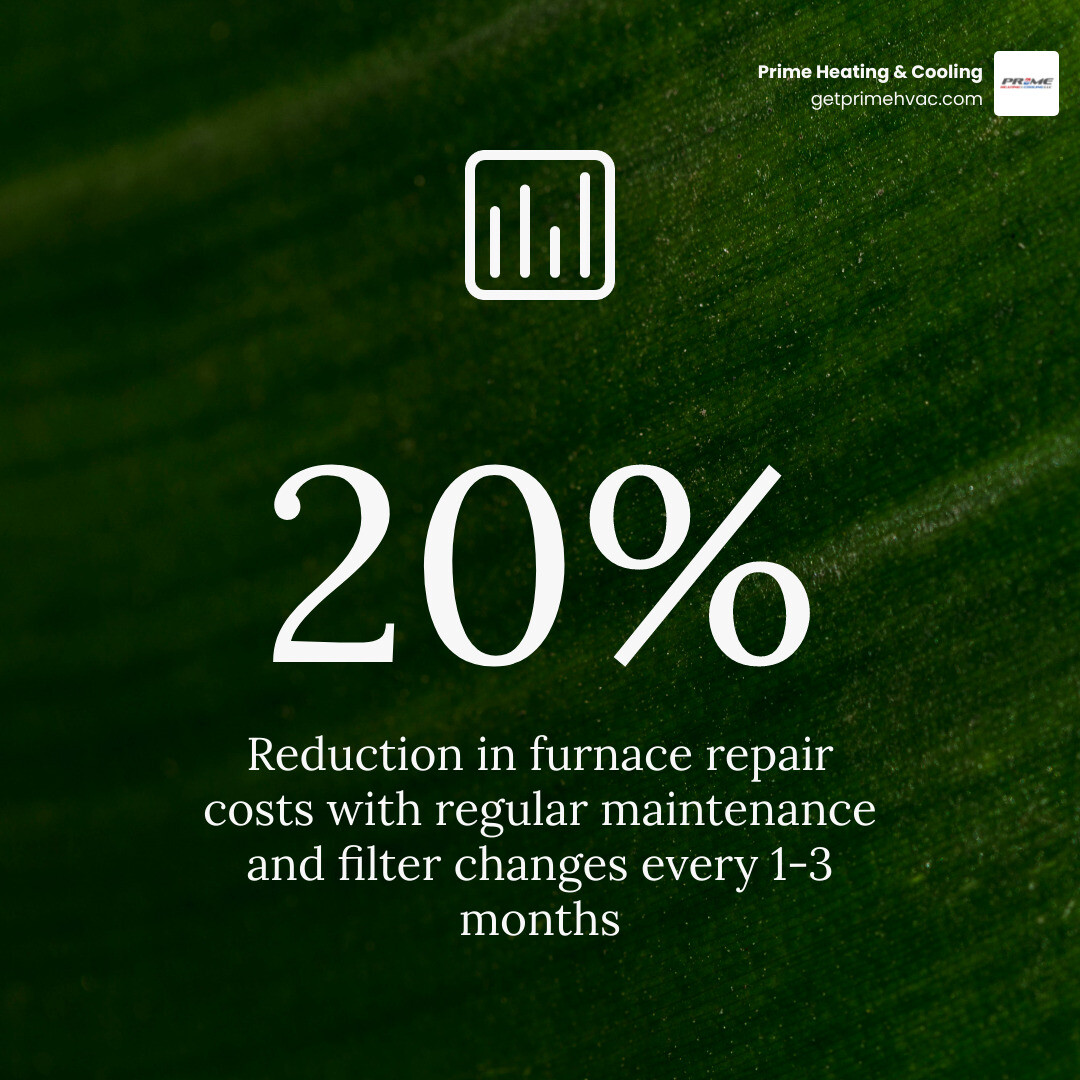
- Changing Filters: Do this every 1–3 months. A clogged filter makes the motor work twice as hard.
- Annual Inspections: We check for cracks, clean the burners, and ensure the safety sensors are working.
- Duct Cleaning: Ensuring air can move freely reduces the strain on your system.
Check out our Heating Maintenance RI page for a full checklist, or read our expert tips on How to Extend the Life of Your HVAC System.
Planning Your Replacement and Financing Options
At Prime Heating & Cooling, we have 20 years of experience serving our neighbors in Johnston, Coventry, Warwick, and across the East Side of Providence. We know that a new furnace is a significant investment, which is why we offer flexible options to fit your budget.
Don’t wait until your furnace dies on a Sunday night in January. Planning your replacement in the “shoulder seasons”—spring or early fall—allows for a calmer process and ensures you have the pick of the best models.
If you’re worried about the upfront cost, we can help. Explore Don’t Get Left in the Cold: Understanding Your Furnace Financing Options to see how we make home comfort accessible for all Rhode Islanders.
Whether you’re in North Smithfield or North Providence, our team is ready to help you decide how often replace furnace systems in your specific home. We pride ourselves on a customer-first approach and 24/7 availability for those unexpected emergencies.
Ready to see if your furnace has another year in it, or is it time for an upgrade? Contact us today for Expert HVAC Services in Rhode Island and let’s keep your home warm for many winters to come!